5 Signs Your Homeschool Routine Needs a Reset (and How to Fix It)
There comes a point when you know it’s time to reset your homeschool day—the math books sit unopened, tempers are short, and the flow that once worked feels clunky and exhausting.
It happens to every family, no matter how carefully you’ve planned. For me, it was the week math books sat unopened while everyone argued over crayons.
Homeschool routines aren’t just about staying organized; they’re the backbone that gives kids a sense of stability and gives you a little breathing room in the middle of it all. When that backbone weakens, the whole day starts to wobble.
The good news? It’s not a sign of failure, just a nudge that something needs to shift. In this post, we’ll walk through five clear signs that your homeschool routine needs a reset and provide simple, practical ways to bring calm back.

5 Signs Your Homeschool Routine Needs a Reset
Even the most thoughtful plan can drift off course over time. The trick is noticing the early warning lights before frustration becomes the norm.
Below are five common signals that it’s time to step back, adjust, and breathe fresh life into your days.
Sign 1: The Day Feels Chaotic from the Start
When mornings begin with a scramble, the rest of the day often follows suit. Maybe you’re rushing to find pencils, pulling books off shelves, or fielding non stop “What are we doing today?” questions. That sense of uncertainty sets the tone, and it’s hard for kids to settle when everything feels up in the air.
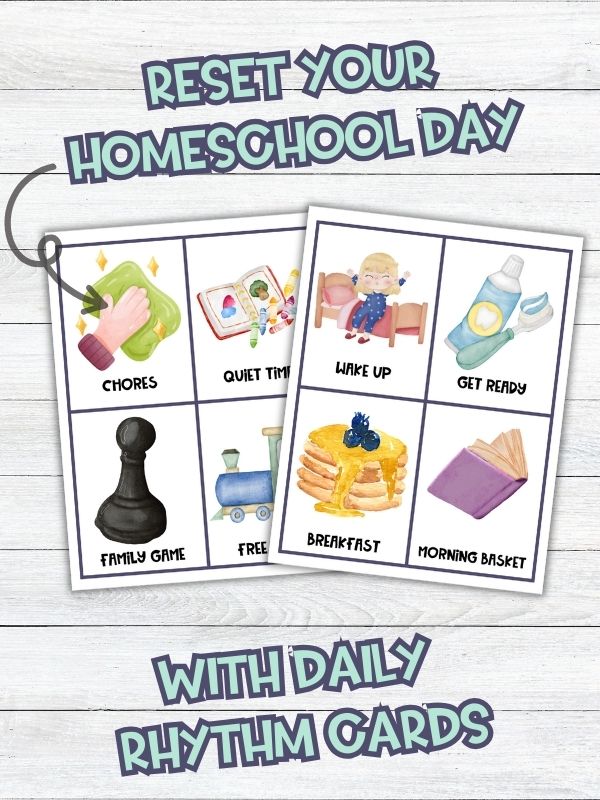
The Fix: Create a simple anchor at the start of your day. This doesn’t need to be long or elaborate—just something predictable that signals “school has begun.” A morning basket with read-alouds, a short circle time, or even a set of visual rhythm cards can make all the difference. When kids know what comes first, they relax into the flow, and you can move forward without the morning chaos.

Sign 2: Lessons Stretch On (and Everyone’s Frustrated)
When a 15-minute math lesson turns into an hour of sighs and “just one more page,” you know the routine has slipped. Kids get restless, you get impatient, and what should be a steady pace turns into a battle of wills. The longer it drags, the less anyone actually learns.
The Fix: Keep lessons short and focused, then build in breaks before attention runs dry. Ten minutes of solid effort beats forty minutes of struggle. Try chunking subjects—do a bit of math, switch to reading, then circle back later. Movement breaks, snacks, or even a quick reset outside can help everyone come back refreshed instead of worn out.
Sign 3: Motivation Has Tanked (Yours or Theirs)
When kids push back on every subject—or you find yourself staring at the lesson plan with zero energy—it’s a sign the spark is gone. Resistance from them and dread from you can quickly spiral into tension, making even simple tasks feel impossible.
The Fix: Add a dash of novelty. Trade a worksheet for a hands-on activity, shift lessons outside for a change of scenery, or simply flip the order of your day to start with something fun. Small shifts can make the routine feel fresh again, and that renewed energy often melts the resistance on both sides.

Sign 4: Kids Can’t Work Independently
If every subject grinds to a halt because someone’s asking, “What’s next?” or dragging their feet between tasks, it’s a clue they don’t yet feel confident moving forward on their own. That constant hand-holding drains your energy and keeps the whole day bottlenecked.
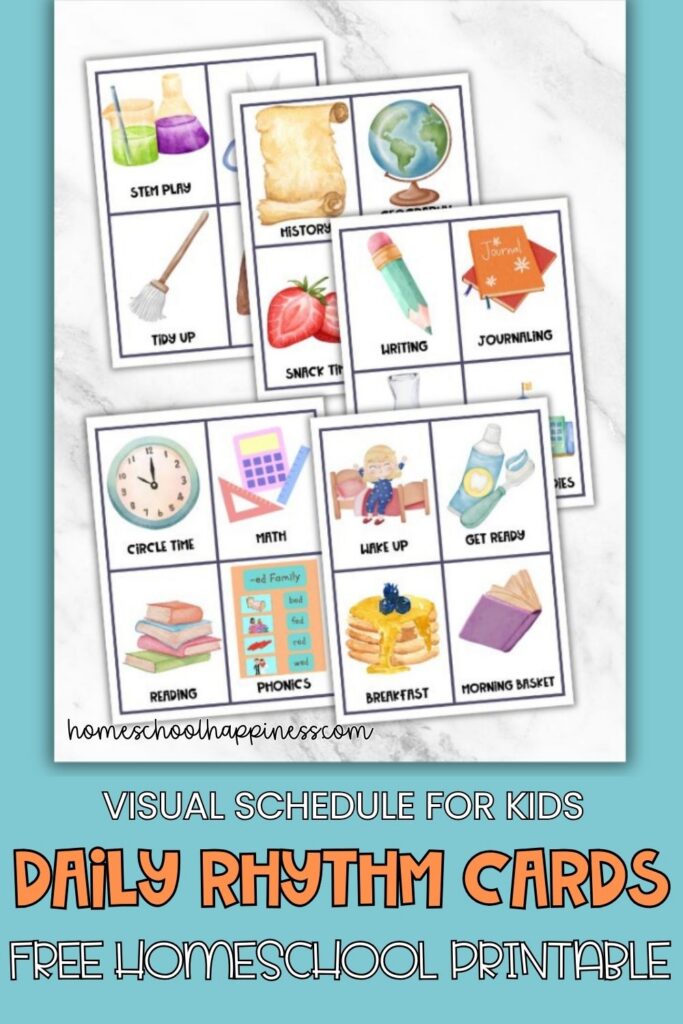
The Fix: Give them a visual roadmap. Rhythm cards, picture schedules, or simple checklists help kids see what’s coming without waiting for you to spell it out. Start with small, doable jobs they can handle alone—like finishing a handwriting page or tidying supplies—then gradually build up to longer stretches. Practicing smooth transitions builds independence, and once kids feel ownership of their work, the whole day runs lighter.
Sign 5: You’re Constantly Behind (and Overwhelmed)
When the to-do list grows faster than you can check things off, frustration piles up. Lessons spill into the evening, unfinished plans stack on top of each other, and guilt creeps in because it feels like you’re always “behind.” That sense of never catching up can make homeschooling feel heavier than it should.
The Fix: Simplify before burnout sets in. Cut back on the extras and focus on the core subjects first. Build in a weekly reset where you step back, look at what truly matters, and adjust the plan accordingly. Progress doesn’t come from cramming everything in—it comes from steady, doable steps that feel sustainable for you and your kids.

How to Do a Gentle Reset
When you notice the cracks in your homeschool day, resist the urge to scrap everything and start over. A reset works best when it’s simple and steady. Begin by pausing to observe—what exactly feels off? Is it the timing, the order, or just too much on your plate? Once you spot the friction, adjust one thing at a time instead of overhauling the whole plan.
Bring your kids into the process, too. Ask what parts of the day feel hardest or what they’d change. That sense of ownership makes them more likely to embrace the new flow. And finally, make the reset visible. Tools like rhythm cards give everyone a clear picture of what’s next, helping new habits stick without constant reminders.
FAQ: Resetting Your Homeschool Day
Take a pause, step back, and do something different for a short break—read aloud, go outside, or grab a snack. Then restart with a smaller goal instead of trying to push through the entire plan.
It may be too complicated. Focus on just the essentials (reading, writing, math) and trim out extras until the core feels manageable. Once the backbone is in place, you can add more layers.
Many families benefit from a small reset weekly and a bigger refresh every few months. Think of it like a check-in—adjust before burnout sets in.
Every homeschool routine hits rough patches—it doesn’t mean you’re doing anything wrong, just that it’s time for a reset. The signs of chaos, dragging lessons, lost motivation, dependence, or overwhelm are simply signals that something small needs to shift. By making gentle adjustments and inviting your kids into the process, you can bring calm and focus back to your days.
Remember, a reset doesn’t have to be dramatic. It’s about finding rhythms that work for your family right now. If you’d like a simple tool to make those rhythms visible and consistent, grab a free set of printable Daily Rhythm Cards. They’ll help your kids know what’s next, cut down on questions, and give everyone a smoother path forward.


Hi, I’m Tara—mom of three, former teacher, and now full-time homeschooler. After years in both preschool and public school classrooms, I brought the learning home and never looked back. At Homeschool Happiness, I share real-life tips, simple activities, and encouragement to help you create a homeschool life that feels good for your family—one filled with connection, laughter, and meaningful moments. We’re in this together!