Human Body Systems Coloring Pages

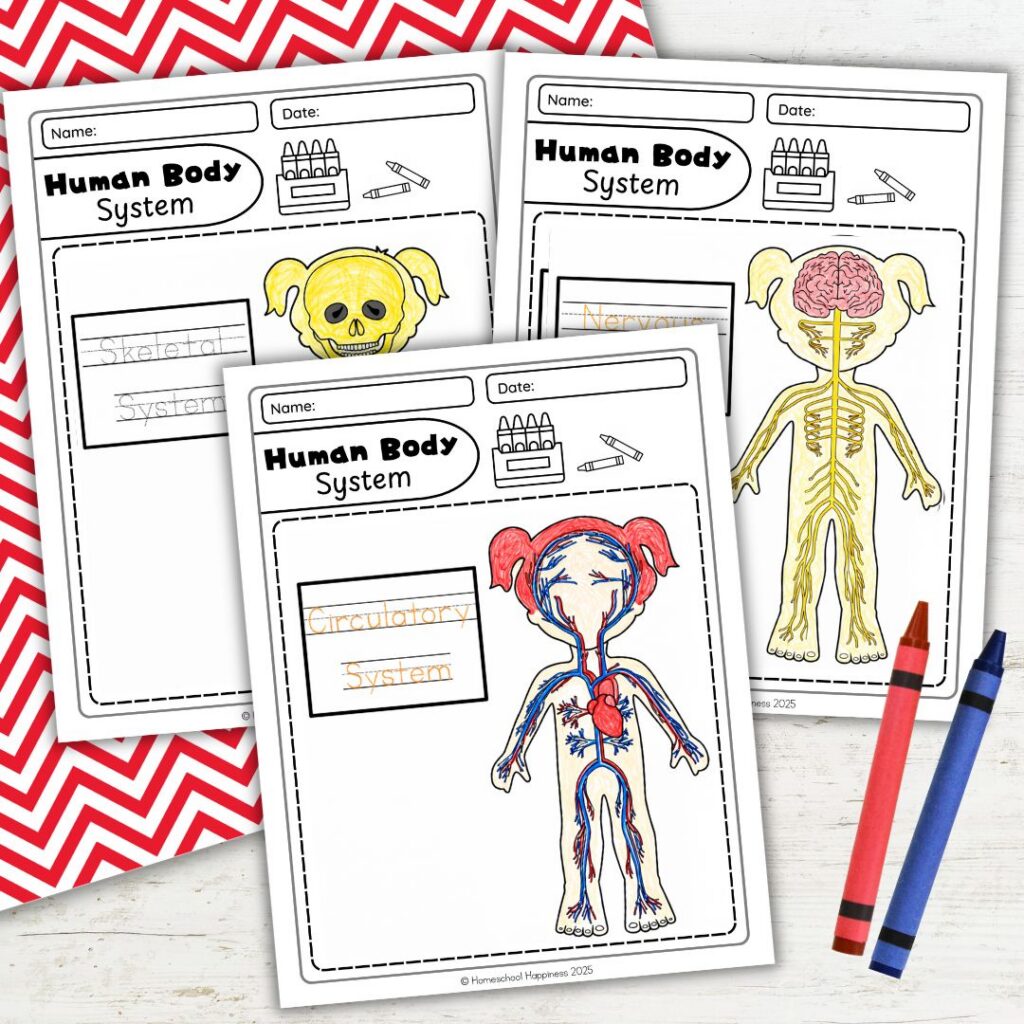
If you’re looking for human body systems coloring pages that double as homeschool science worksheets, you’re in the right spot! These easy-to-use printables are a great way to introduce young kids to the different systems in the human body, like the muscles, bones, and brain.
Each page gives little learners a chance to trace the name of a system and color the matching diagram, making it both educational and fun. They’re perfect for homeschool parents or teachers who want to add hands-on learning to science time without making a mess or prepping many materials. Just print and go!
These worksheets make teaching anatomy simple, visual, and stress-free—just right for early learners.

What are the human body systems for kids?
The human body systems are groups of organs that work together to help the body function. For kids, the most common systems to learn include the circulatory system, digestive system, respiratory system, nervous system, muscular system, and skeletal system. Each system has a special job that keeps the body healthy and working properly.
Human Body Systems Included in These Coloring Pages
| Body System | What It Does |
|---|---|
| Circulatory | Moves blood around your body |
| Digestive | Breaks down food into energy |
| Respiratory | Helps you breathe |
| Nervous | Sends messages through your body |
| Muscular | Helps your body move |
| Skeletal | Supports your body and protects organs |
| Lymphatic | Helps fight germs |
| Urinary | Removes waste from your body |
Human Body Systems Coloring Pages
These human body worksheets are a fun and easy way to bring science to life for young learners! Designed with early elementary students in mind, these printables help children practice fine motor skills through coloring and tracing while building their vocabulary and knowledge of basic anatomy. Each page highlights a different system in the human body, giving kids a clear and simple visual to color and explore.
What’s Included:
- Circulatory System
- Digestive System
- Female Reproductive System
- Lymphatic System
- Muscular System
- Nervous System
- Male Reproductive System
- Respiratory System
- Skeletal System
- Urinary System
These worksheets make learning about the body more like a creative activity than a science lesson. With simple designs and clear labels, kids can enjoy the process while reinforcing key science concepts simultaneously.

What can kids learn from this activity?
Kids can learn the names and basic functions of the major human body systems through this activity. They get familiar with each system’s location and appearance by coloring and tracing. It also helps build early science vocabulary in a hands-on, visual way that’s easy for young learners to understand. Plus, they practice fine motor skills as they color and trace each word.


Human Body Activities for Kids
Once kids start learning about the different systems in the body, it can be beneficial to add a few extra activities to keep the learning going. These ideas are perfect for homeschool parents and teachers who want to make science more hands-on and engaging.
From simple crafts to movement games and fun read-alouds, these extras can help kids connect their learning to real life meaningfully.

Human Body Systems Books for Kids
Learning about the human body can be fascinating for young children, especially when presented in fun, engaging ways. Books about the human body systems help preschoolers understand how their bodies work—from pumping blood to digesting lunch!
With colorful illustrations and age-appropriate language, these books spark curiosity and build early science skills. Three excellent books explore the human body systems for children ages 2–7.



Me and My Amazing Body by Joan Sweeney introduces young readers to the different systems that help their bodies function. The book explains what bones, muscles, brain, and blood do inside us with friendly illustrations and simple text. It’s a great early primer that balances basic facts with a gentle tone, ideal for preschool learners.
The Busy Body Book: A Kid’s Guide to Fitness by Lizzy Rockwell helps children understand how movement and health go hand-in-hand with body systems like muscles and the circulatory system. It highlights the importance of staying active while explaining how our organs and body parts work together. This book encourages physical wellness while sneaking in educational anatomy facts in a very relatable way.
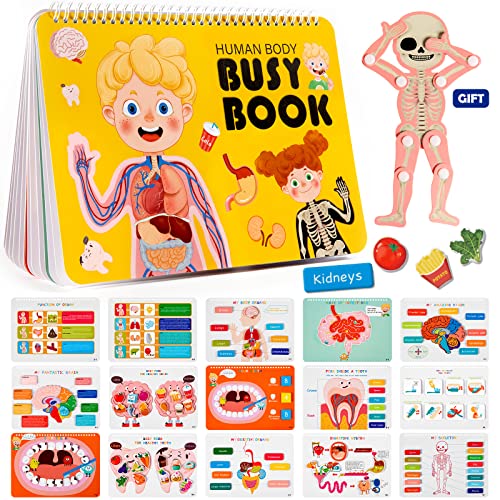
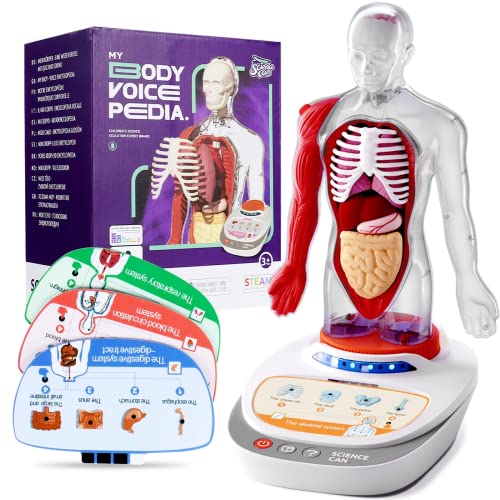
Look Inside Your Body by Louie Stowell is a lift-the-flap book packed with fun facts about the human body. From the nervous system to the digestive tract, it uses flaps to reveal what’s happening under the skin, sparking curiosity and interactive learning. With bright artwork and sturdy pages, it’s perfect for hands-on exploration with little ones.

Human Body Systems Printables for Kids
Printables are an easy way to add structure and variety to your science lessons. These no-prep resources can help kids review key terms, label body parts, and practice learning in a fun, low-stress format. You can use them alongside your coloring pages or as a quick weekly follow-up activity.
- My Body Systems Science Booklet
- Free Printable Life-Size Organs for Studying Human Body Anatomy
- Human Body Printables for Kids: Fun and Educational Worksheets
- Human Body Systems – Ultimate Guide
- Human Body Printables Bundle
FAQ About Human Body Systems Coloring Pages
Not at all! These pages are designed with young kids in mind. The diagrams are simple, and the writing is complicated—just basic labeling and tracing. It’s a gentle way to introduce body systems without overwhelming little learners.
Nope! It’s better to focus slowly on one system at a time. You can talk about what it does, where it is in the body, and let your child color the matching page. Keep it short and straightforward so it stays fun.
Yes, absolutely! Just print a copy for each child. These are great for group work, siblings learning together, or classroom use if you’re a teacher.
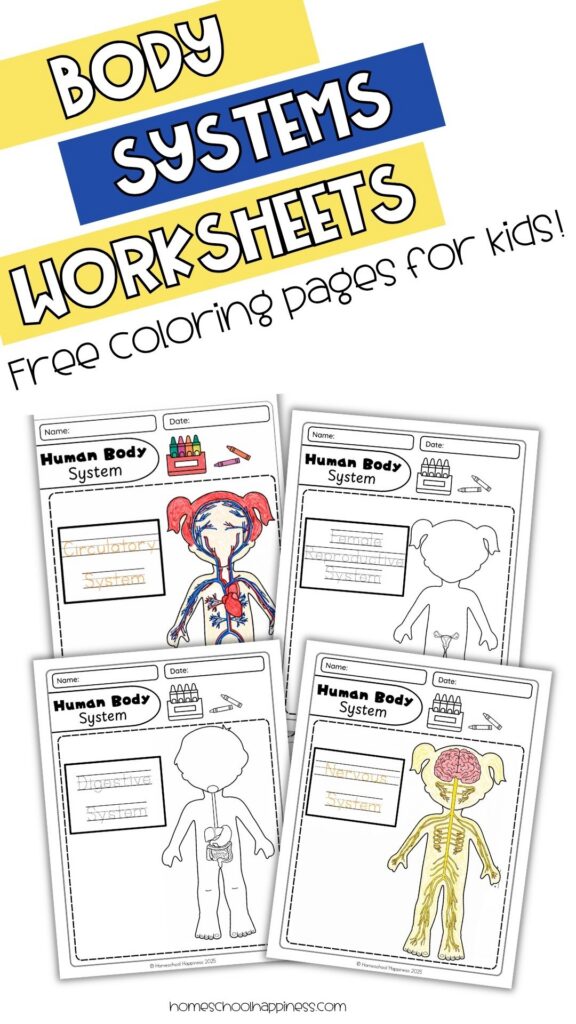
These human body systems coloring pages make it easy to introduce big science concepts in a way kids can actually understand. With simple visuals and hands-on practice, children can begin to see how different systems work together to keep their bodies healthy.
Whether you’re teaching at home or in the classroom, this set gives you a flexible, low-prep way to explore anatomy with kids ages 3–8. Pair the pages with simple discussions or activities to turn coloring time into meaningful learning.

Hi, I’m Tara—mom of three, former teacher, and now full-time homeschooler. After years in both preschool and public school classrooms, I brought the learning home and never looked back. At Homeschool Happiness, I share real-life tips, simple activities, and encouragement to help you create a homeschool life that feels good for your family—one filled with connection, laughter, and meaningful moments. We’re in this together!


