Human Body Organs Coloring Pages
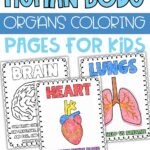
If your kids are learning about the human body, they’ll love these human body organs coloring pages! This printable set is perfect for kids ages 3–8 and includes simple, engaging pages that help practice fine motor skills, early science concepts, and vocabulary.
These worksheets work well for home preschool, kindergarten lessons, classroom science centers, or quiet time activities. You can print individual pages or use the full set, and most activities take about 10–20 minutes to complete.
If you’re planning a full unit, be sure to explore our homeschool science worksheets for more hands-on learning ideas to pair with these printables.

Human Body Organs Coloring Pages
These human body organs coloring pages are free printable worksheets designed for kids in preschool, kindergarten, and early elementary. Each page features a labeled organ like the brain, heart, and lungs with simple descriptions, helping children learn basic anatomy while practicing coloring and fine motor skills.
What’s Included?
This printable set includes a variety of human body coloring pages designed to introduce kids to basic anatomy in a simple, engaging way. Each page focuses on one organ with a bold outline for coloring and an easy-to-understand sentence that explains what it does.
Inside the set, you’ll find pages for:
- Lungs
- Brain
- Heart
- Intestines
- Kidneys
- Liver
- Pancreas
- Spleen
- Stomach
- Thyroid
Every page includes a short, kid-friendly description to reinforce learning while they color. For example, children will see phrases like “lungs help us breathe” and “our heart pumps blood,” making it easier to connect the organ to its function as they work through the pages .
These coloring pages are flexible for a wide age range. Younger kids can focus on coloring and recognizing organ names, while older children can begin understanding basic functions and using the pages as part of a simple science lesson.
If you want a quick reference while teaching, the table below breaks down what each organ does in simple, kid-friendly terms.

| Organ | What It Does | Where It Is In the Body |
|---|---|---|
| brain | controls your thoughts, feelings, and actions | inside your head |
| heart | pumps blood all through your body | in your chest |
| lungs | help you breathe in air | in your chest |
| stomach | breaks down food after you eat | in your belly |
| intestines | take nutrients from food and remove waste | in your lower belly |
| liver | cleans your blood and helps digest food | on the right side of your belly |
| kidneys | filter waste and make urine | in your lower back |
| pancreas | helps your body digest food and control sugar | behind you stomach |
| spleen | helps your body fight germs | on the left side of your belly |
| thyroid | controls how your body uses energy | in your neck |
Check these skeletal system worksheets.
How to Use These Coloring Pages for Different Ages
These human body worksheets can be easily adapted for different ages, making them a flexible addition to your science lessons or learning time.
For preschoolers (ages 3–4):
Focus on simple exposure and vocabulary. Let children color each page while you name the organ out loud and point to where it is on their body. Keep it playful and repetitive so they begin to recognize words like “heart” and “lungs.”
For kindergarten (ages 5–6):
Start connecting organs to what they do. After coloring, ask simple questions like “What does the heart do?” or have them match the organ to its function using the sentence on the page. This builds early comprehension along with vocabulary.
For early elementary (ages 6–8):
Use the pages as part of a mini lesson. Talk through each organ’s role, compare organs, or group them by function (like digestion or breathing). You can also turn the pages into a simple booklet for review or discussion.
This approach lets you use the same printable across multiple grade levels while adjusting the depth of learnin

Easy Human Body Activities to Pair With These Printables
These human body organs coloring pages work even better when paired with simple, hands-on activities. You don’t need anything complicated, just a few interactive ideas to help kids connect what they’re coloring to real learning.
Body tracing activity
Have your child lie down on a large piece of paper and trace their body outline. After coloring an organ page, ask them to draw and place that organ in the correct spot on their outline. This helps build spatial awareness and makes anatomy more concrete.
“Point to the organ” game
After completing a few pages, call out an organ and have your child point to where it is on their body. You can also reverse it by pointing and asking them to name the organ. This works especially well for reinforcing vocabulary in a fun, active way.
Sort organs by function
For older kids, group the organs based on what they do. For example, digestion (stomach, intestines), breathing (lungs), or circulation (heart). You can lay the pages out and have them sort or categorize them, which builds deeper understanding beyond just naming.
These simple activities turn coloring time into a more interactive science lesson without adding extra prep.

Don’t miss these brain anatomy worksheets.
Get Your Human Body Organs Coloring Pages
Ready to start learning about the human body in a fun, hands-on way? These human body organs coloring pages are easy to use at home or in the classroom and work well for a range of ages.
You can print the entire set for a full science activity or choose individual pages to match your lesson. Each page includes a simple explanation to help kids connect what they’re coloring to how their body works.
Click below to access your human body organs coloring pages and start exploring anatomy together.

Try these skeletal system worksheets for kids.


Anatomy Printables for Kids
Printable activities are a lifesaver when you need a quick, engaging way to teach anatomy at home or in the classroom! Labeling organs, solving body-themed puzzles, or coloring more detailed diagrams, these printables make learning science simple and fun.
Please explore the links below for more resources to complement your lessons and keep your kids excited about discovering how their bodies work.
- Human Body Organs Printable Coloring Pages
- Human Body Playdough Mats Printable Activity for Kids
- The Human Heart Worksheets For Kids
- Human Body Organs Coloring Pages for Kids
- Brain Worksheets for Kids
Anatomy Books for Kids
Exploring anatomy with young children can be a fascinating and fun journey! Books about the human body introduce little ones to the wonders of how our bodies work while fueling their curiosity. Whether it’s learning about bones, muscles, or organs, these books make science engaging and accessible for kids ages 2-7.


The Bare Naked Book by Kathy Stinson is a playful and inclusive introduction to anatomy for little ones. This beautifully illustrated book celebrates all the parts of the body in a positive and age-appropriate way, from heads and toes to elbows and belly buttons. Perfect for preschoolers, it encourages body awareness and appreciation in a gentle, cheerful tone.
Me and My Amazing Body by Joan Sweeney simplifies complex anatomy concepts for little learners. This book introduces children to the body’s major systems—like the brain, heart, and stomach—through clear text and bright illustrations. It’s an empowering way for young readers to learn how their body works and why it’s truly amazing.
The Skeleton Inside You by Philip Balestrino combines humor and facts to make learning about bones fun and memorable. Kids will love discovering how their skeleton helps them move, grow, and stay protected. The lively illustrations and easy-to-follow text make this a fantastic choice for little anatomists!

Try these science topics for 3rd graders.
These human body organs coloring pages make it simple to introduce basic anatomy in a way kids can understand and enjoy. With clear illustrations and short explanations, children can start recognizing organs, learning what they do, and building early science knowledge as they color.
Whether you’re teaching preschool, kindergarten, or early elementary, this set gives you a flexible, low-prep way to explore the human body together. Pair the pages with simple activities or discussions to turn coloring time into a meaningful learning experience.

Hi, I’m Tara—mom of three, former teacher, and now full-time homeschooler. After years in both preschool and public school classrooms, I brought the learning home and never looked back. At Homeschool Happiness, I share real-life tips, simple activities, and encouragement to help you create a homeschool life that feels good for your family—one filled with connection, laughter, and meaningful moments. We’re in this together!


