You’re Not Behind. You’re Just Homeschooling Without a Plan

If you’ve been feeling behind in homeschool and can’t shake the worry that you’re not doing enough, you’re not alone. You’re probably not actually behind. If you’re homeschooling kids in grades K–3 and that nagging feeling won’t quit, let’s talk about where it’s really coming from and what actually helps.
Whether you have one child or you’re juggling kindergarten and 3rd grade at the same time, this works in a real home without turning your living room into a classroom. The answer isn’t doing more or finding better Pinterest ideas. It’s having a plan that tells you exactly what to teach next so the guesswork stops.
What Does It Mean to Feel Behind in Homeschooling?
Feeling behind in homeschooling usually isn’t a sign that you’ve missed something. It’s a sign that you don’t have a clear plan telling you what comes next. Without structure, every quiet week feels like a gap. The fix isn’t doing more. It’s knowing exactly what to teach and why.
The Two Things Most Moms Try First (and Why They Don’t Help)
When the overwhelm hits, most moms do one of two things.
The first is Pinterest. It makes sense. There’s no shortage of ideas, and a good activity feels like progress. But a collection of ideas isn’t a plan. One week, it’s a nature journal, the next it’s a lapbook, the next it’s a unit study someone pinned in 2019. There’s a lot of busyness and not much to show for it, and that behind feeling doesn’t go away because nothing is actually connected.
The second thing moms try is swinging the other direction entirely. If random ideas aren’t working, maybe more structure will. So they build a schedule, assign subjects by the hour, and try to recreate what school looks like. That works for about a week before it stops working for everyone. It’s rigid, it’s exhausting, and it kills the flexibility that made homeschooling worth choosing in the first place.
Most moms have tried one or both of these. Neither is the problem you think it is. The real issue is that neither offers a clear path forward. Pinterest gives you too many options. School-at-home gives you too many rules. What actually helps is something in between: a simple structure that tells you what to teach without telling you how to live.
The Real Reason the “Behind” Feeling Won’t Go Away
It’s not that you’re doing it wrong. It’s that you’re making too many decisions without a clear framework to lean on.
Every morning without a plan starts the same way. What are we doing today? Did we do enough math this week? Should we be further along in reading by now? That constant low-level decision-making is exhausting, and it quietly builds into something that feels a lot like falling behind. It isn’t. It’s decision fatigue.
The guilt compounds it. Without a measuring stick, there’s no way to know when enough is enough. So you keep second-guessing. You finish a good week and still wonder if you should have done more. You can’t feel the progress because you have nothing to measure it against.
The problem isn’t how hard you’re working. Most homeschool moms are working incredibly hard. The problem is that all that effort doesn’t have a map behind it. And when you’re working without a map, every detour feels like failure even when it isn’t.
What Changes When You Have a Plan
I taught kids three and four grade levels apart for years. For a long time, I was doing what most moms do: pulling from different places, trying to keep everyone moving, and never quite feeling like it was working. The house was full of activity. I still went to bed most nights unsure if we had done enough.
What changed wasn’t finding better resources. It was having a plan that told me exactly what we were doing and why. Once I had that, Sunday nights felt different. I knew what Monday looked like before it started. I wasn’t reacting to the day anymore. I was leading it.
That shift is hard to overstate. When you’re not spending mental energy figuring out what comes next, you actually have room to enjoy what’s happening right in front of you. Your kids feel it too.
Here’s what that difference looks like in practice:
| Without a Plan | With a Plan | |
|---|---|---|
| Sunday night | Dreading Monday, unsure what to do | Know exactly what to teach tomorrow |
| During the day | Reactive, scrambling, second-guessing | Following a structure that hold the day together |
| When a lesson goes sideways | Spirals into guilt | Adjust and move on, the plan continues |
| End of the week | Did we do enough? I don’t know. | Clear on what was covered and what comes next |
| Emotional state | Chronic low-grade anxiety | Not perfect, but purposeful |
The goal was never a perfect homeschool. It was a purposeful one. A plan is what gets you there.
What a Plan Actually Looks Like for K–3 Homeschool
A plan is not a schedule. It does not tell you that math happens at 9:15 and reading ends at 10:00. That’s school-at-home, and that’s not what this is.
A good homeschool plan tells you what to teach. It gives you the topic, the focus for each day, and the activities that fit each child’s grade level. What time you do it, how long it runs, whether you’re at the kitchen table or on the back porch — that part is still yours.
For K–3 families, especially those with multiple kids, the most practical version of this is a shared weekly topic that anchors everyone. Your kindergartner and your 3rd grader are both learning about ocean zones this week. They’re doing it at completely different levels, with different activities and different writing expectations, but they’re in the same lesson together. You’re not running two separate schools. You’re running one home.
A week with that kind of plan feels settled. You know what book you’re reading aloud. You know what each child is working on. When someone finishes early or a lesson goes longer than expected, you’re not scrambling. You just move to the next thing on the plan.
That’s it. No overwhelm, no guesswork, no Sunday night dread. Just a clear, simple structure that tells you what comes next.
FAQs About Being Behind
In most cases, feeling behind in homeschool is a reflection of not having a clear benchmark, not evidence that your child has actually missed something critical. A structured learning plan gives you a measuring stick so you can see what has been covered and what comes next, instead of guessing.
For grades K–3, the priority subjects are foundational literacy, math, and a core topic like science or social studies that anchors the week. The most effective approach is a structured weekly plan that covers these subjects consistently, with activities differentiated by grade level so multiple children can learn together.
The key is a shared anchor, usually a read-aloud or core topic, that all your children engage with at the same time. From there, activities branch out by grade level. Your kindergartner and your 3rd grader are learning the same thing this week. They’re just doing it differently.
Yes, and it is almost always connected to decision fatigue rather than actual inability. When you do not have a plan telling you what to teach next, every day requires a new decision. A structured framework eliminates that constant pressure and replaces it with a clear path forward.
You’re Not Behind. Here’s Where to Start.
You do not need to overhaul your entire homeschool this week. That’s not the move, and it’s not what this is about.
Start with one question: what do I want my kids to learn about this month? Not this year, not this semester. This month. Pick one topic that could anchor your days and give you something to build around. Science works well for this. So does history or nature study. The subject matters less than having something that ties the week together.
From there, think about what each of your kids can do with that topic at their level. Your kindergartner might draw and label. Your 2nd grader might read and write a few sentences. Your 3rd grader might research and write a paragraph. Same topic, different work, one cohesive week.
That’s the beginning of a plan. It’s not perfect and it doesn’t need to be. It just needs to be clear enough that you know what you’re doing Monday morning.
You’re not behind. You just needed a starting point. Now you have one.
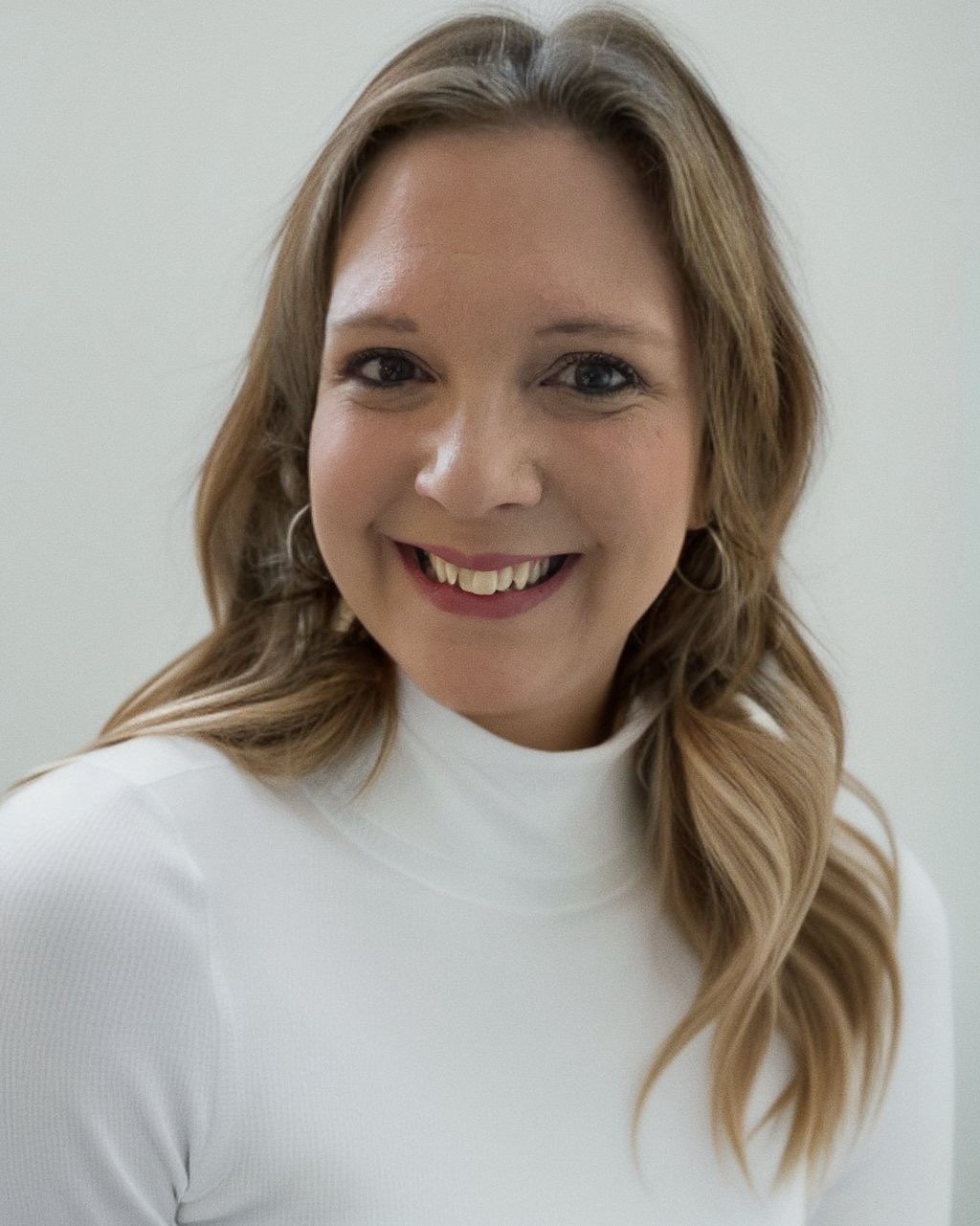
Hi, I’m Tara—mom of three, former teacher, and now full-time homeschooler. After years in both preschool and public school classrooms, I brought the learning home and never looked back. At Homeschool Happiness, I share real-life tips, simple activities, and encouragement to help you create a homeschool life that feels good for your family—one filled with connection, laughter, and meaningful moments. We’re in this together!