Photosynthesis Worksheets for 2nd Grade
If you’re hunting for photosynthesis worksheets for 2nd grade learners, you’ll love this! Homeschool science worksheets offer a printable set that makes learning about photosynthesis fun and easy for kids. These worksheets break big science ideas (like how plants make their food) into simple, hands-on activities.
Kids get to cut, paste, label, and see how sunlight, water, and carbon dioxide turn into energy for plants. It’s perfect for homeschool parents and teachers who want something more exciting than just reading from a book. Plus, the colorful pages and easy directions mean kids stay engaged — and you don’t have to stress about prepping anything complicated.
These homeschool science worksheets help kids feel confident with tricky topics while keeping learning fun. Trust me, they’ll love them — and you’ll love how easy they are to use!
Photosynthesis Worksheets for 2nd Grade
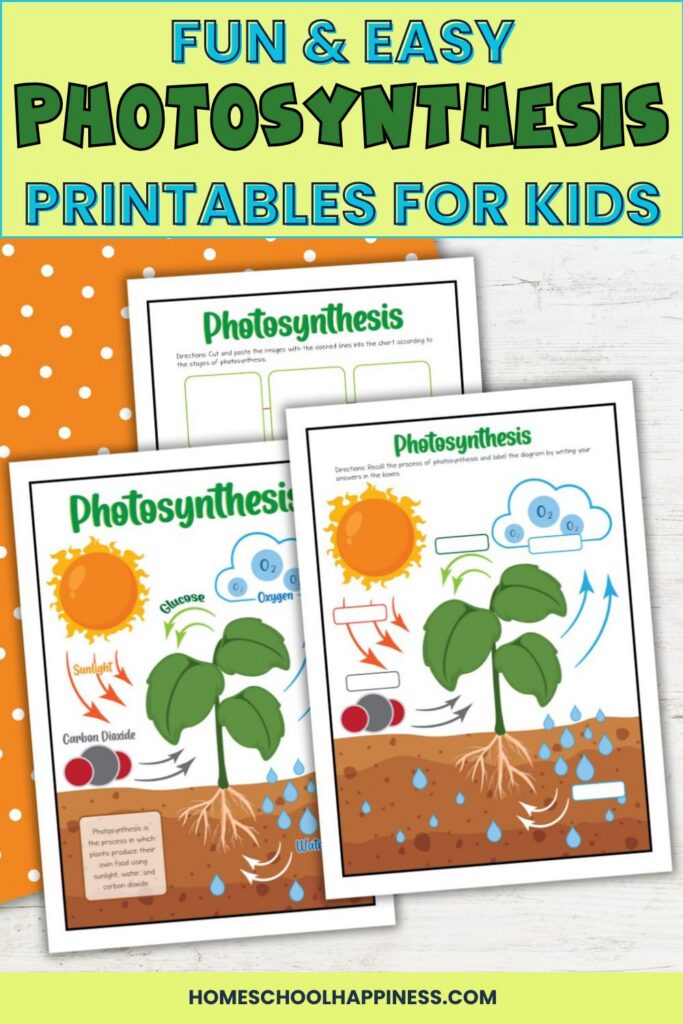
This printable set is designed to help young learners explore the fascinating process of photosynthesis in a hands-on, engaging way. With these worksheets, children will practice essential skills like science vocabulary, sequencing, observation, and reading simple informational text. It’s a fun and interactive way to help kids understand how plants make their food using sunlight, water, and carbon dioxide.
What’s Included:
- A diagram worksheet for labeling the parts of the photosynthesis process
- A cut-and-paste activity to match images with the correct stages
- Simple directions that make it easy for kids to work independently or with minimal help
- An answer key for parents or teachers to check work
These printables turn learning into an enjoyable experience by combining visual activities with easy-to-follow tasks. With this set, your child will build confidence in science while having fun, making it a valuable and entertaining addition to your homeschool toolbox!

What is photosynthesis, and why should kids learn about it?
Photosynthesis is the process plants use to make their food by turning sunlight, water, and carbon dioxide into energy. Through this process, plants produce oxygen, essential for people and animals to breathe, creating the sugars they need to grow.
It’s one of the most critical processes on Earth because it supports nearly all life by providing food and oxygen. For young learners, understanding photosynthesis helps build a foundation for early science education.
It teaches them how living things depend on each other, sparks curiosity about the natural world, and introduces key science skills like observation and explanation. Learning about photosynthesis early on helps kids connect what they see in nature to big science ideas in a simple, approachable way.

Reading and Labeling Science Diagrams
Labeling the stages of photosynthesis is a great way to support visual learning and help kids understand what’s happening in the process. When children read a diagram and match the right words to each part, they understand the information hands-on. This activity boosts comprehension because kids aren’t just memorizing facts but seeing how everything connects. Plus, it’s a fun, low-pressure way to practice science reading skills without feeling overwhelmed.

Teaching Science Vocabulary Through Fun Activities
This printable set is excellent for helping kids learn important science words like chlorophyll, oxygen, carbon dioxide, and glucose. As they work through the diagrams and activities, they’ll see these terms and understand each.
By labeling and matching these words, kids build a stronger science vocabulary in a fun, engaging way. It’s a simple approach that helps new terms stick, giving your child more confidence when discussing and exploring science topics.

Photosynthesis Activities for Homeschoolers
If you’re looking for even more ways to make plant science fun, you can add plenty of simple activities to this worksheet set! These extra ideas will help homeschool parents and teachers reinforce key concepts and keep kids engaged. From crafts to books to hands-on experiments, here are some great ways to complement the photosynthesis printables and deepen your child’s learning.

Photosynthesis Books for Homeschoolers
Teaching photosynthesis to young children can be a fun and engaging journey into the wonders of plants, sunlight, and the natural world. It’s extra special for homeschoolers because you can weave hands-on exploration with storytime to help kids grasp how plants “make their food.”
Below are three delightful picture books that break down the complex process of photosynthesis into age-appropriate, engaging stories perfect for kids ages 2–7.



In Living Sunlight by Molly Bang and Penny Chisholm, young readers follow a sunbeam’s journey as it helps plants make food through photosynthesis. This beautifully illustrated book mixes poetic language and scientific facts, making big ideas accessible without overwhelming little learners. Kids will come away marveling at how sunlight connects all living things on Earth.
The Magic School Bus Gets Planted by Joanna Cole takes Ms. Frizzle’s class on a wild adventure inside a plant, where they learn firsthand how leaves turn sunlight, water, and air into food. With its signature mix of humor, facts, and lively illustrations, this book keeps preschoolers laughing and learning while introducing key science concepts. It’s a playful way to connect science lessons with imaginative storytelling.
In A Leaf Can Be… by Laura Purdie Salas, children discover all the surprising things leaves can do, from making oxygen to providing shelter — and yes, performing photosynthesis. This lyrical book uses simple, rhyming text and gentle artwork to invite young children to appreciate the quiet magic of leaves in a way that feels both educational and wonder-filled.
Photosynthesis Worksheets for Homeschoolers
Looking for more printables to go along with your photosynthesis activities? You’ll find related homeschool science worksheets that help reinforce key plant science ideas here. These extras are perfect for giving your child more practice and keeping the learning fun and fresh.
- Photosynthesis Worksheets for Kids
- Simple Geranium Photosynthesis Experiment for Kids
- Plant Life Cycle & Photosynthesis Printables
- Food Chain Worksheets
- What do Plants Need to Grow Worksheets


FAQ About Photosynthesis Worksheets for 2nd Grade
Not at all! These worksheets are designed to introduce the topic in a simple, kid-friendly way. You can walk through the activities together; the visuals will help explain the process step by step.
They work best for end-of-grade elementary students, around grades 2–4, but younger kids can enjoy them with extra help. The activities are simple enough for most homeschool learners, especially if you go through them together.
You can add crafts, simple experiments (like growing a plant), or read a fun science book alongside the worksheets. Mixing in hands-on activities makes the learning stick and keeps kids excited about science! Want me to recommend some easy companion activities? Just let me know!

These photosynthesis worksheets are a fantastic way to help your homeschooler explore important plant science concepts in a fun, hands-on way. Kids strengthen their understanding and build confidence in their science skills by labeling diagrams, cutting and pasting stages, and learning key terms like chlorophyll and glucose. Best of all, the activities are simple and keep learning enjoyable — no complicated prep required!
With this printable set, you’re allowing your child to practice observation, vocabulary, and critical thinking in a playful and rewarding way. It’s a great addition to any homeschool science routine, helping kids connect big science ideas to the world around them.


Hi, I’m Tara—mom of three, former teacher, and now full-time homeschooler. After years in both preschool and public school classrooms, I brought the learning home and never looked back. At Homeschool Happiness, I share real-life tips, simple activities, and encouragement to help you create a homeschool life that feels good for your family—one filled with connection, laughter, and meaningful moments. We’re in this together!