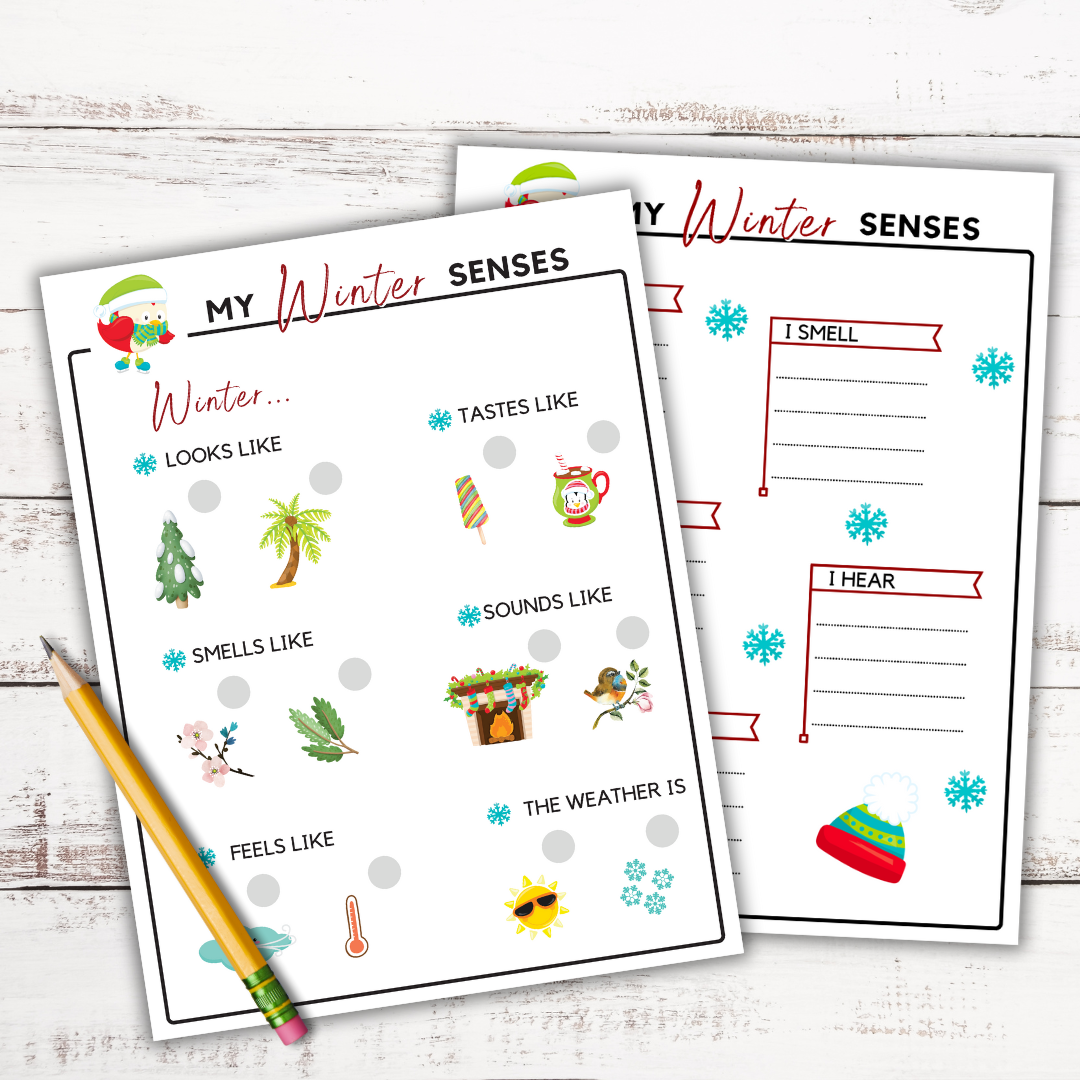
How to Know When to Put the Worksheets Away (and What to Do Instead)
If you’ve ever wondered what it might look like to homeschool without worksheets, you’re not alone. At some point, every parent hits the moment when “just one more page” turns into sighs, pencil drops, and glazed eyes. The plan that once felt tidy starts to feel heavy.
This is the quiet crossroad in how to homeschool: realizing that checking boxes doesn’t always mean real learning is happening. Worksheets can be useful tools—but when they take over, they can drain the spark out of your days. What if learning could breathe again?
Homeschool Without Worksheets? Here’s When They Still Help
You don’t have to homeschool without worksheets completely to create a rich learning environment. For many families, especially in the early days, worksheets offer something invaluable: structure. They give shape to the day, a sense of progress, and a little reassurance that learning is “getting done.”
And they do serve a purpose. A short math review, handwriting practice, or independent reading response can anchor the morning. They give you time to breathe, refill your coffee, or prep the next activity. Some kids even enjoy the predictability of a page they can finish and proudly hand in.
But worksheets were never meant to carry the whole weight of homeschooling. Think of them as seasoning—just enough to enhance the flavor, not smother it.
The real nourishment comes from what happens before and after: the conversations, the movement, the messy discoveries that don’t fit in a box. When used sparingly, worksheets support learning without stealing its spark.
Signs It’s Time to Step Away from the Stack
Even the best tools can turn against you when they’re used past their season. The same goes for worksheets. What once felt like a steady rhythm can start to feel like drudgery, for both of you.
Here are a few signs it might be time to loosen your grip:
- The spark is gone. Your child used to light up over new topics, but now even favorites earn a sigh.
- You’re negotiating every page. “Just finish this worksheet” becomes the day’s refrain.
- Nothing sticks. They complete the work, but the learning doesn’t last beyond cleanup.
- You’re both tired—before you even begin. The energy it takes to get through the plan outweighs what anyone gets out of it.
If any of that sounds familiar, it’s not failure—it’s feedback. Your child is showing you what kind of learning fills them up, and what’s running them dry.
What to Do Instead: Learning Through Play, Movement, and Conversation
When you set the worksheets aside, you’re not giving up on structure. You’re making space for something more alive. Kids learn best when their hands, hearts, and voices are part of the process. Real learning sticks when it feels like discovery, not compliance.
Try weaving in a few of these instead of another packet:
- Talk it out. Turn lessons into conversations. Ask what they notice, what surprises them, what they’d do differently. Let silence stretch long enough for thinking.
- Move it out. Practice spelling with sidewalk chalk. Skip-count while jumping rope. Turn the kitchen into a science lab.
- Play it out. Board games, pretend shops, and story-building all work the same muscles worksheets try to reach, just with more joy.
- Mix it up. Combine short bits of written work with movement or hands-on exploration to maintain a balanced energy level and keep minds open.
Learning through play does not mean chaos. It means engagement. It is what happens when curiosity takes the lead and the paper trails behind.
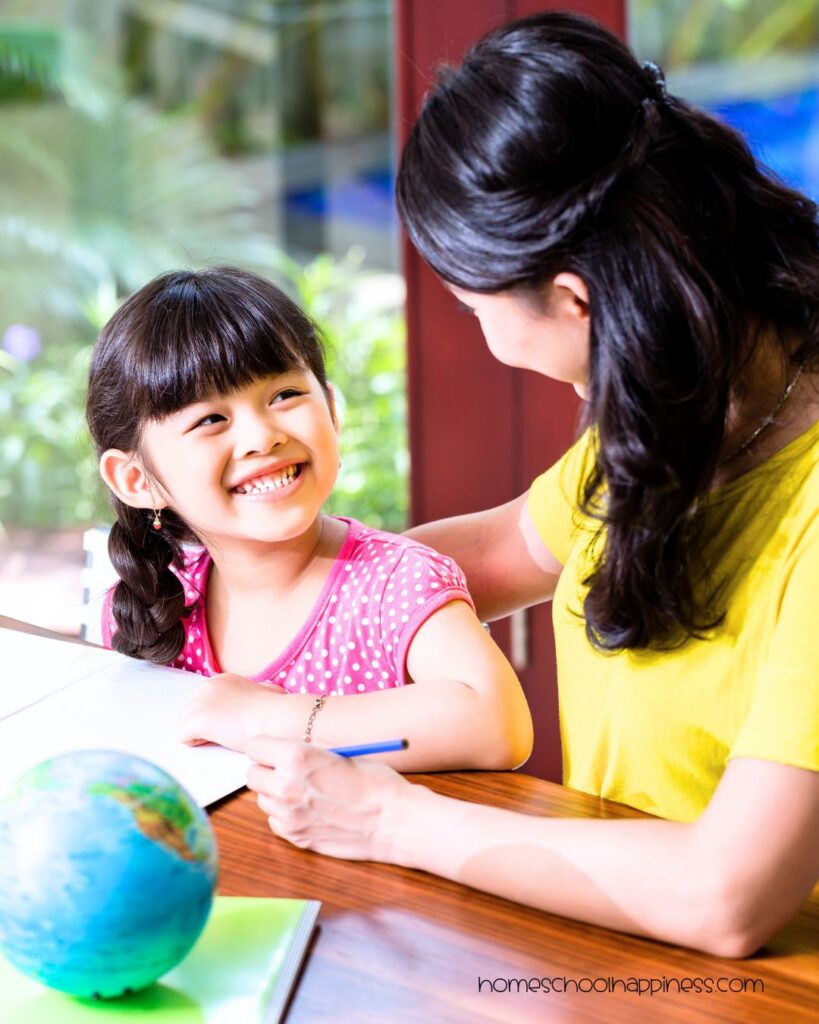
The Hidden Power of Less
I used to think a full stack of finished worksheets meant we were on track. I loved the tidy proof that we had done something measurable. But slowly, the light started to fade. My kids’ curiosity dulled. Lessons that used to flow turned into small battles. I realized we were learning to perform school, not to love learning.
When I finally let a morning go unplanned, something surprising happened. We lingered over a question about clouds that turned into drawing, a story, and an afternoon of watching the sky. No worksheet could have captured that. It was messy, slow, and completely real.
Children remember more when they feel safe, curious, and unhurried. The mind needs space to make connections. Letting go of the extra pages is not quitting. It is trusting that learning is happening, even when it does not look like school. Sometimes less paper means more understanding, and more joy for both of you.
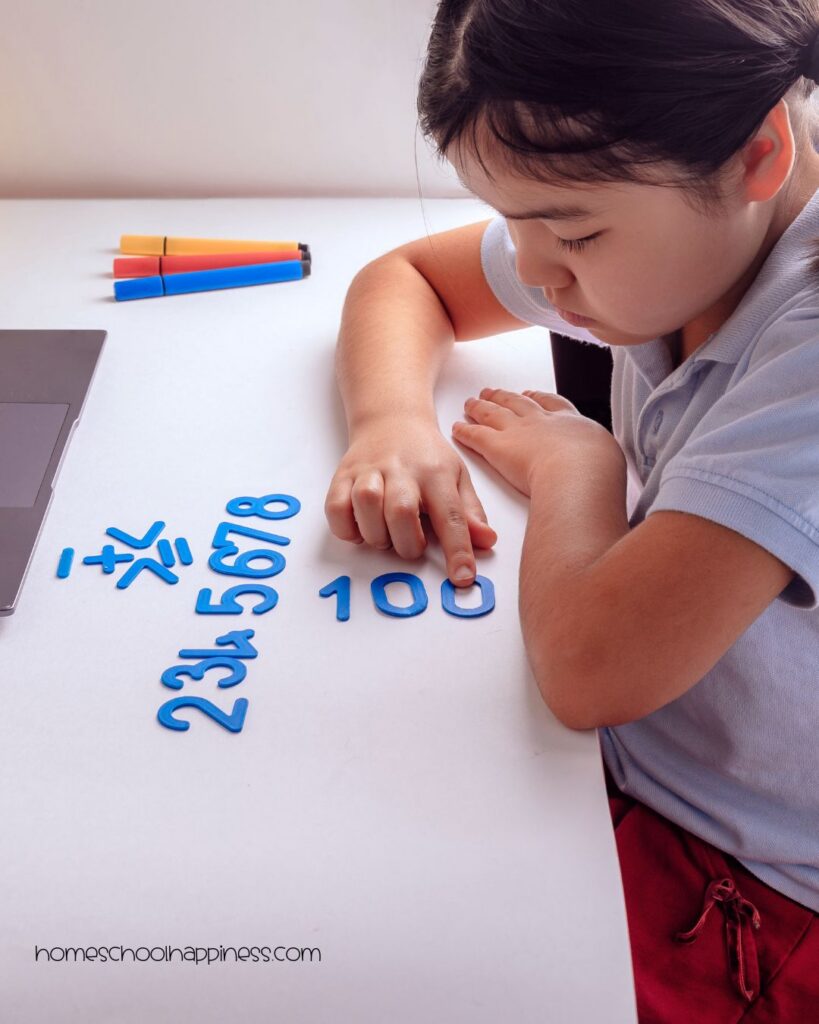
A Gentle Reframe: Worksheets as Tools, Not Tests of Success
After a while, I stopped blaming the worksheets and started seeing them for what they were—tools. They can help, but they do not define whether a homeschool is thriving.
Use worksheets when they truly fit the moment. They work best as short anchors in your day, such as a quick review before lunch, quiet practice while gathering your thoughts, or a calm pause after an active activity. Let them steady the flow, not steer it.
Try building a simple “learning menu” instead of a checklist. Include printables, yes, but also reading aloud, games, experiments, building, and walks outside. Let your child help choose from it. The variety keeps curiosity alive and reminds everyone that learning takes many shapes.
When you stop using worksheets as a test of success, you free yourself to notice what really matters: connection, growth, and the small signs that your child’s mind is waking up to the world.
Putting the worksheets away can feel uncomfortable at first. It might even feel wrong, as if you’re breaking some unspoken rule about how learning is supposed to occur. But what you are really doing is creating space for conversation, movement, laughter, and rest.
If you notice your days feeling lighter, pay attention. That is learning too. When curiosity returns, when your child starts asking questions again, that is the proof you were looking for all along.
You have not failed by changing course. You have simply chosen to listen. Real learning is not found in the pile of finished pages. It lives in the spark between you, in the questions that spill out when no one is keeping score.
So take a breath. Look up from the paper. The lesson might already be happening.
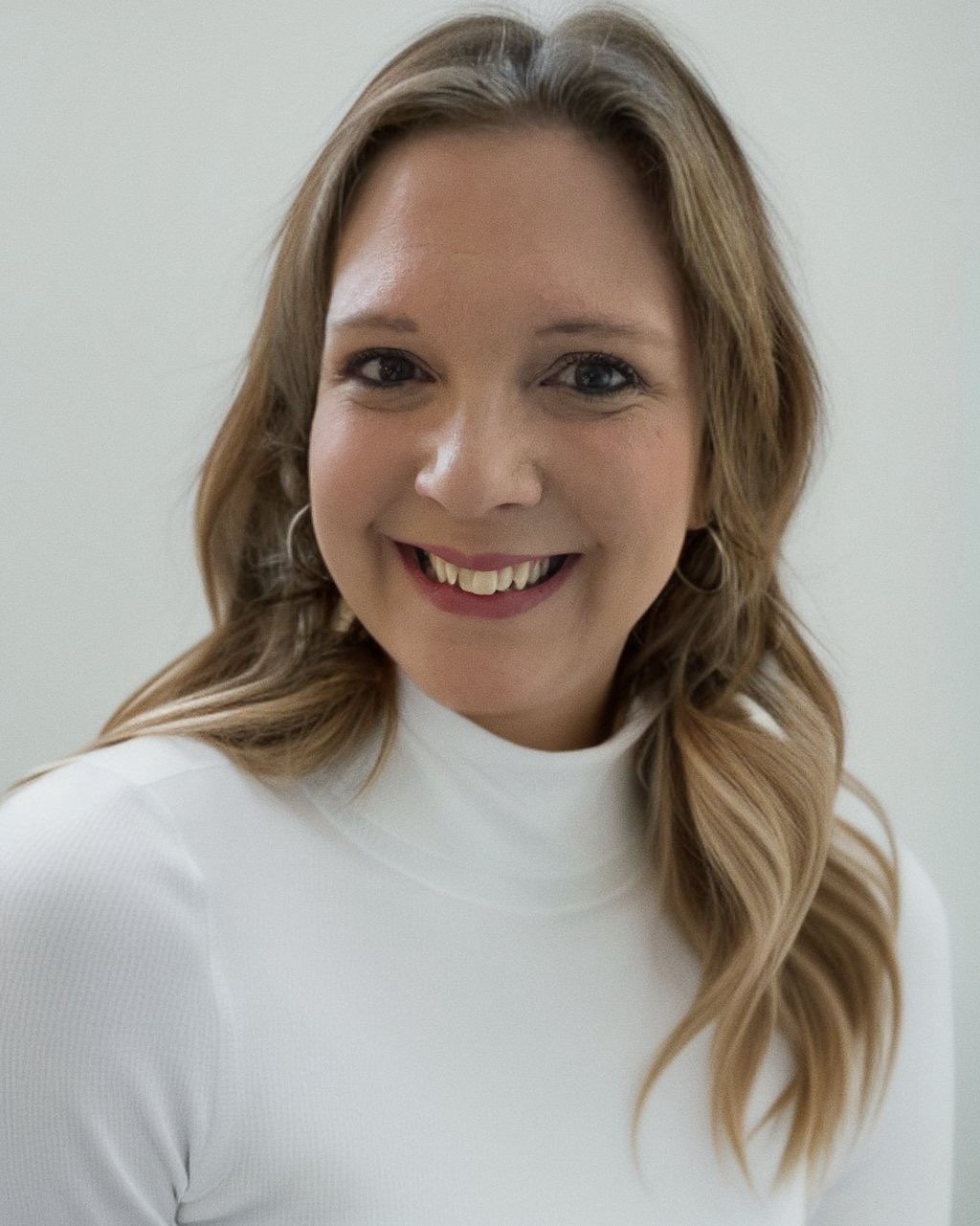
Hi, I’m Tara—mom of three, former teacher, and now full-time homeschooler. After years in both preschool and public school classrooms, I brought the learning home and never looked back. At Homeschool Happiness, I share real-life tips, simple activities, and encouragement to help you create a homeschool life that feels good for your family—one filled with connection, laughter, and meaningful moments. We’re in this together!