Exciting Animal Experiments for Kids
Looking for a fun way to bring animal experiments for kids into your daily lessons? Hands-on activities are a wonderful way to make homeschool science come alive!
When kids can observe, touch, and explore the world around them, learning becomes meaningful and memorable. Animal-themed experiments are especially exciting—they tap into children’s natural curiosity about creatures big and small, helping them connect with biology in a way that feels like play.
The best part? These simple experiments use everyday supplies you probably already have at home. They’re perfect for busy homeschool families seeking to blend learning with a touch of wonder and discovery.

At a Glance
• 11 hands-on animal experiments for kids using simple supplies
• Covers animal behavior, adaptations, life cycles, and survival traits
• Perfect for homeschool science lessons or fun enrichment at home
• Encourages observation, curiosity, and connection with the natural world
• Easy to set up with items from around the house or classroom
• Ideal for grades 1–3 and adaptable for younger or older learners
Why Do Animal Experiments with Kids?
Animal experiments are a fantastic way to bring science to life in your homeschool. Kids are naturally curious about animals, and hands-on activities help them connect what they learn to the real world around them. Whether they’re observing ants, testing how blubber works, or exploring camouflage, these experiences build observation skills, spark meaningful questions, and encourage empathy for living creatures.
Animal-themed science fits beautifully into life science standards for early grades. You’ll cover key concepts like habitats, adaptations, and life cycles—without needing a textbook! Plus, these activities lay the foundation for early STEM learning by blending science, inquiry, and critical thinking in a way that feels playful and accessible.
With just a few household materials, you can turn your kitchen or backyard into a science lab where kids can explore how animals survive, grow, and thrive.



Easy Animal Experiments for Kids
Ready to dive into some fun animal science activities? This round-up features a collection of easy, engaging animal experiments for homeschoolers that spark curiosity and build real-world understanding.
From exploring how blubber keeps arctic animals warm to observing insect behavior, these projects make science hands-on and memorable. Each activity is designed with simplicity in mind—perfect for adding a creative twist to your homeschool biology lessons.
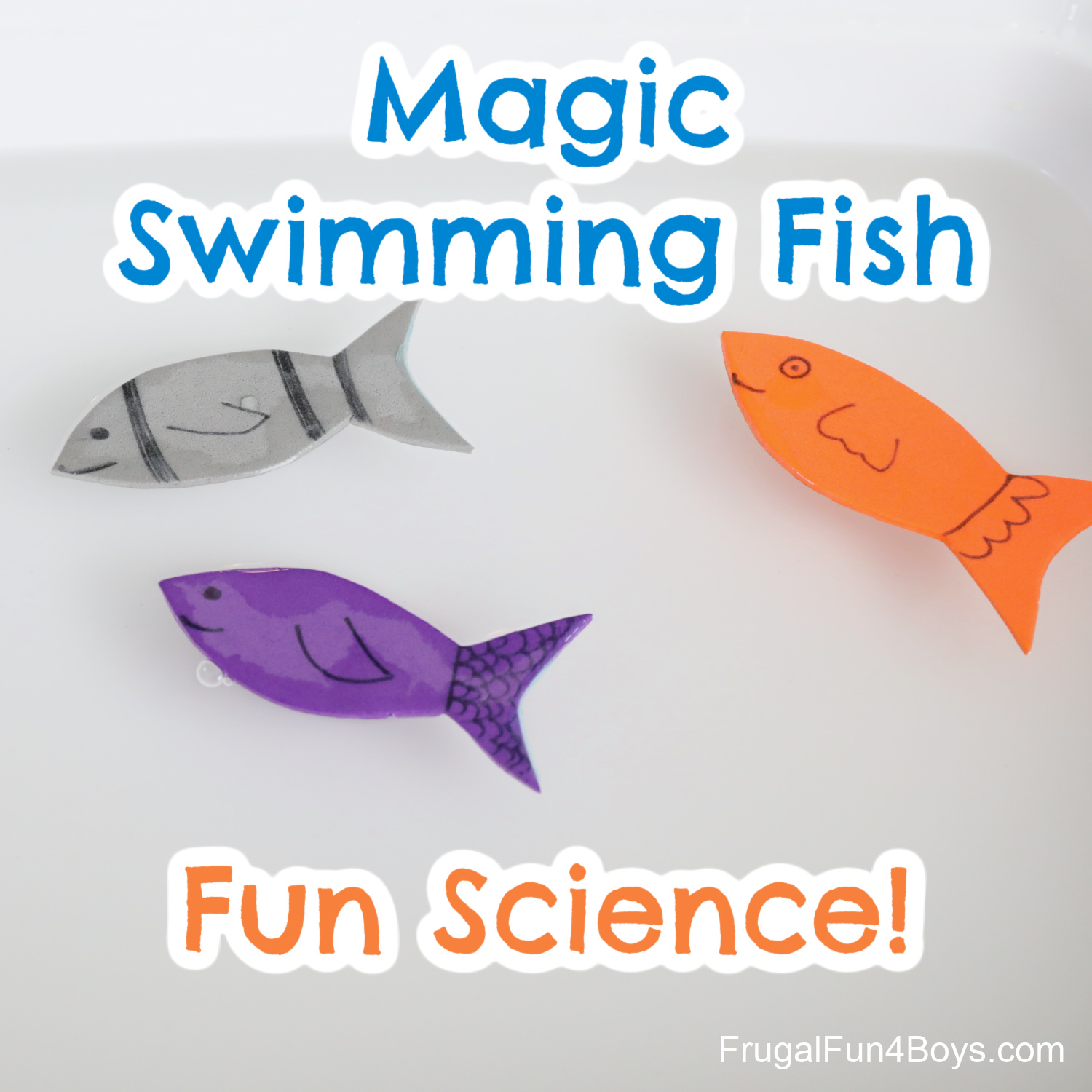
Make a Fish Swim with Soap – Frugal Fun For Boys and Girls
This engaging experiment demonstrates how dish soap can propel a foam fish across water by breaking surface tension. Kids will be amazed as their handmade fish “swims” forward, offering a fun and visual way to learn about molecular interactions and physics.
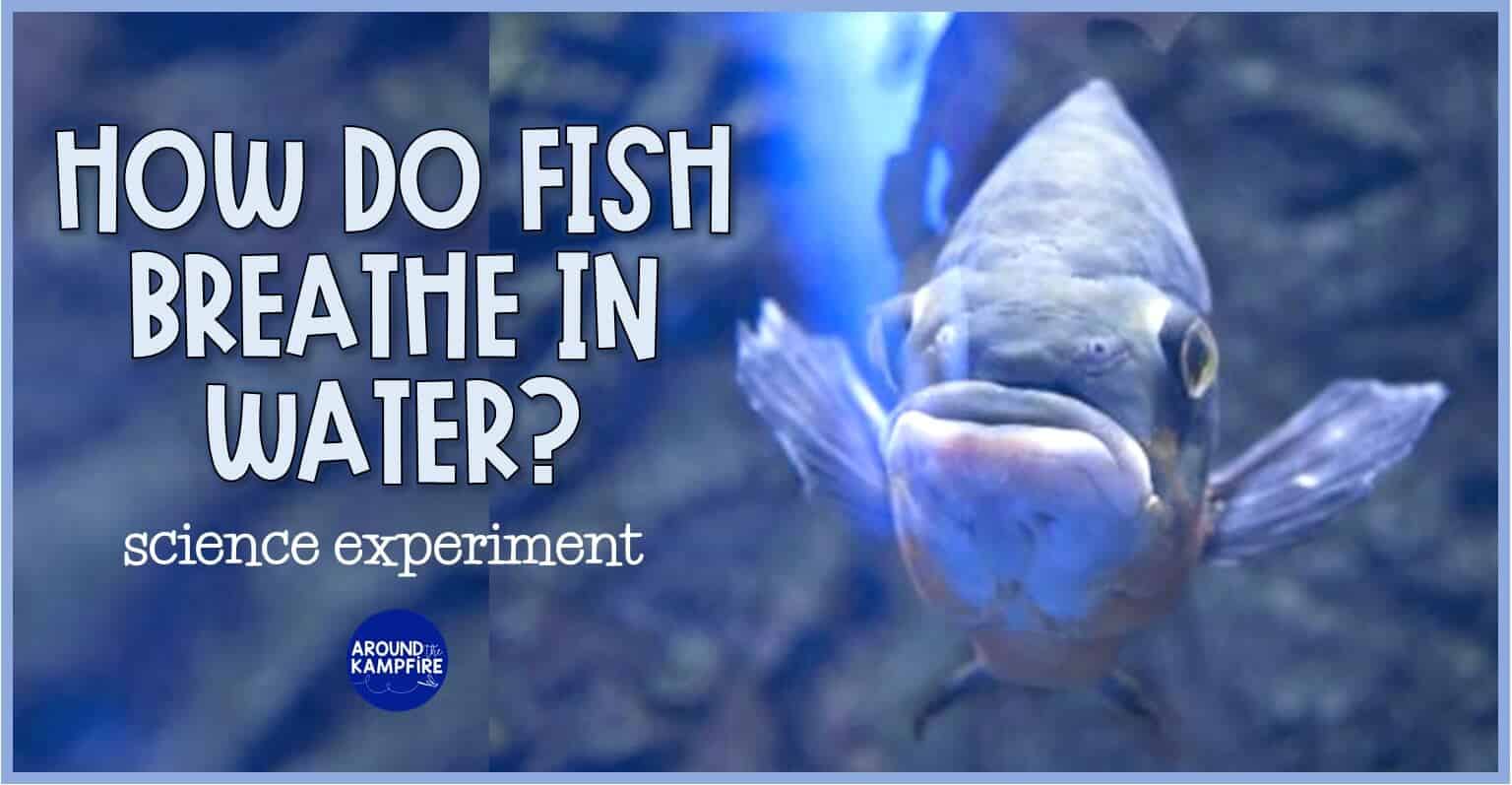
How Do Fish Breathe Underwater? Ocean Animal Adaptations Activity – Around the Kampfire
This engaging experiment helps kids understand how fish breathe underwater by simulating the function of gills. Using simple materials, children can observe how gills filter oxygen from water, making marine biology concepts tangible and fun.
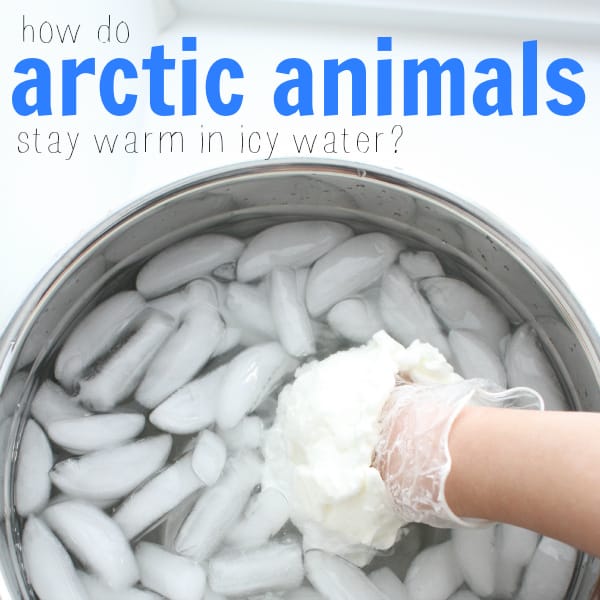
How do Arctic Animals Stay Warm in Icy Water?
This hands-on experiment demonstrates how Arctic animals like polar bears and seals stay warm in icy waters using a layer of blubber. By insulating a hand with shortening and comparing its warmth in ice water to an uninsulated hand, kids can experience firsthand how blubber helps these animals survive freezing temperatures.

Octopus Science Experiments for Preschoolers
This creative experiment invites kids to explore how an octopus’s boneless body allows it to squeeze through tight spaces. Using a water-filled baggie as a model, children simulate the octopus’s movement and gain a hands-on understanding of invertebrate anatomy and adaptability.

Shark Buoyancy – Animal Science Experiment
This engaging experiment demonstrates how sharks maintain buoyancy using oil-filled livers. By filling balloons with different substances and observing their behavior in water, kids gain a hands-on understanding of marine biology concepts.
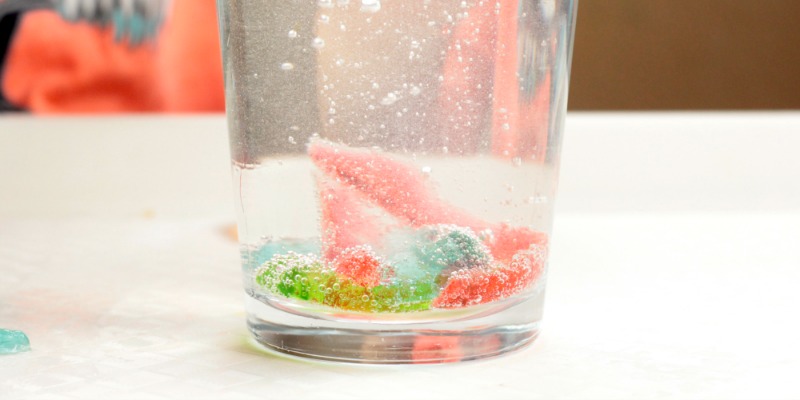
Wiggling Snakes Science Experiment – Raising Lifelong Learners
In this delightfully creepy experiment, kids use baking soda and vinegar to make gummy snakes wiggle and move as if they’re alive. It’s a fun way to explore chemical reactions and learn how carbon dioxide gas causes motion in unexpected ways.

Teach about Cold-blooded Animals with Color Changing Dough
This creative experiment uses temperature-sensitive color-changing play dough to demonstrate how cold-blooded animals, like reptiles and amphibians, adjust their body temperature based on their environment. By modeling creatures and observing color changes under a heat lamp, kids gain a hands-on understanding of ectothermic behavior and the importance of sunning for warmth.

Crazy Cool Giraffe Science Experiment
This colorful experiment utilizes watercolor paints and paper towels to replicate the distinctive spot patterns of giraffe skin. As kids apply paint, they observe capillary action in real time, making it a creative way to explore animal adaptations and fluid movement.

Hands-On Science! Super Seahorses – inlovewithlearning.com
This hands-on seahorse experiment introduces kids to the unique traits and behaviors of these fascinating sea creatures. Through simple activities, children explore camouflage, movement, and even the role of male seahorses in carrying babies, making marine biology both fun and memorable.
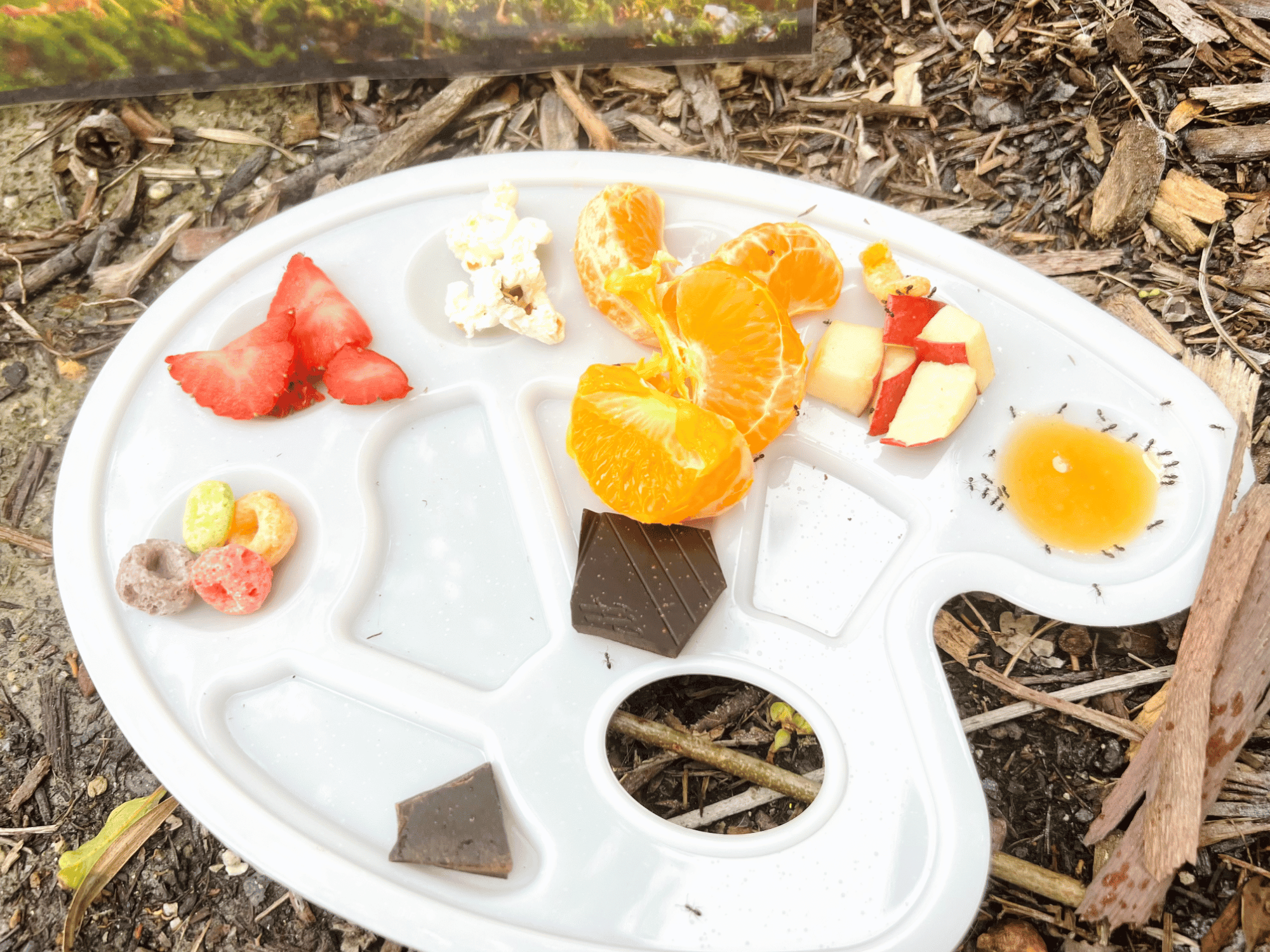
Ant Observation: A Simple Science Activity
This engaging activity invites children to observe ants’ food preferences by offering a variety of snacks and recording which ones attract the most ants. It’s a delightful way to introduce young learners to scientific observation and data collection in a real-world context.

Tooth decay experiment with egg shells
This simple experiment utilizes eggshells to illustrate how various drinks can stain or damage teeth. By soaking eggs in various liquids, kids can observe firsthand the effects of sugary and acidic beverages on tooth enamel.
Printable Animal Science Resources
These ready-to-use resources pair perfectly with hands-on science activities. They make it easy to teach life cycles, habitats, and adaptations. Use them to explore how frogs grow or where animals live. Each printable fits smoothly into your homeschool routine and supports what your child is learning.
Below are a few favorites to help you build a complete animal science unit with ease.
- All About Chickens Science Worksheets
- Life Cycle of a Penguin for Kids
- Life Cycle of an Elephant Worksheets
- Penguin Science Worksheets
- Sea Turtle Facts for Kids
Tips for Using These Experiments in Your Homeschool
Bringing science to life doesn’t have to be complicated! Try adding one animal experiment per week during your animal science unit to keep things fun and manageable.
You can deepen the learning by pairing each hands-on activity with a related read-aloud or a short nature documentary—this helps kids connect what they see to what they’re doing.
Encourage your child to keep a simple science journal where they can draw what they observe, write down results, and ask questions. These little moments of curiosity and reflection are where some of the best learning happens!

Animal science doesn’t need a fancy lab or expensive supplies—it just takes a little curiosity and a few simple materials to spark big learning moments at home.
With these fun and easy experiments, your kids can explore the natural world, ask great questions, and discover how animals survive and thrive. We’d love to hear what you try! Share your favorite animal experiment—or one you’re excited to do—in the comments below.

Hi, I’m Tara—mom of three, former teacher, and now full-time homeschooler. After years in both preschool and public school classrooms, I brought the learning home and never looked back. At Homeschool Happiness, I share real-life tips, simple activities, and encouragement to help you create a homeschool life that feels good for your family—one filled with connection, laughter, and meaningful moments. We’re in this together!


