Homeschool Morning Basket Ideas That Last

Homeschool morning basket ideas sound magical when you’re planning them — a cozy stack of books, a candle on the table, kids gathered close as you start the day in rhythm. The first week, it all works beautifully. By the second, the basket sits untouched, and you wonder if it’s just one more routine you can’t keep up with.
The truth is, it doesn’t have to be complicated. The secret to building a homeschool morning basket that lasts is to keep it simple and centered on connection, rather than perfection.
In this post, you’ll find morning basket ideas that work long past the first week, with easy tips and fresh ways to make it a habit you and your kids actually look forward to.
What a Morning Basket Really Is
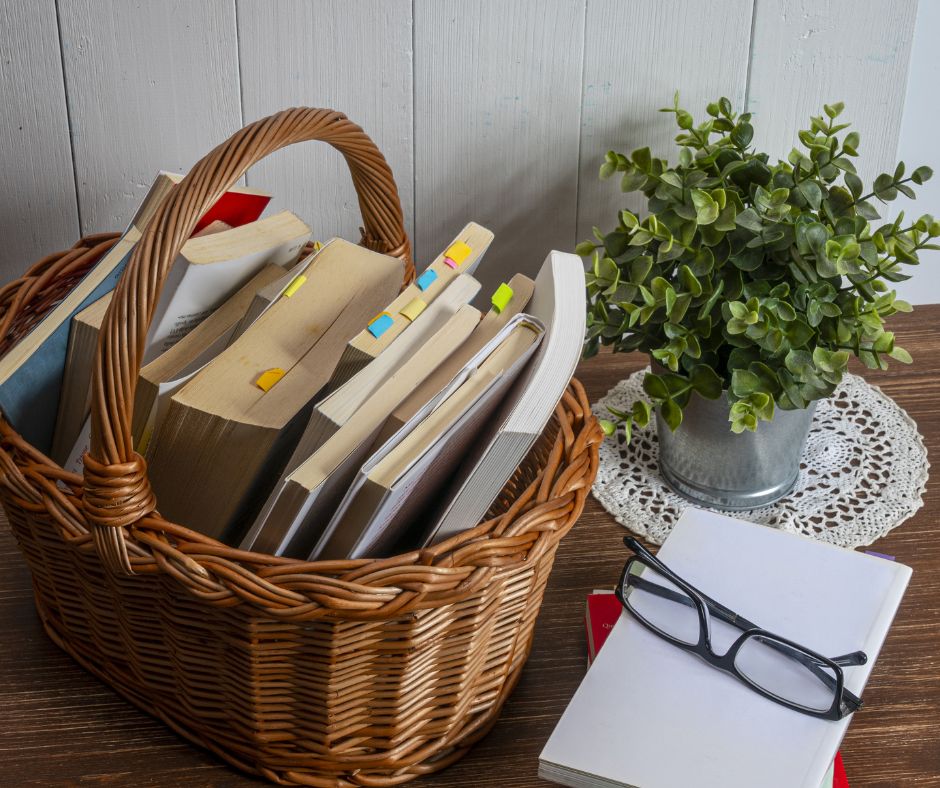
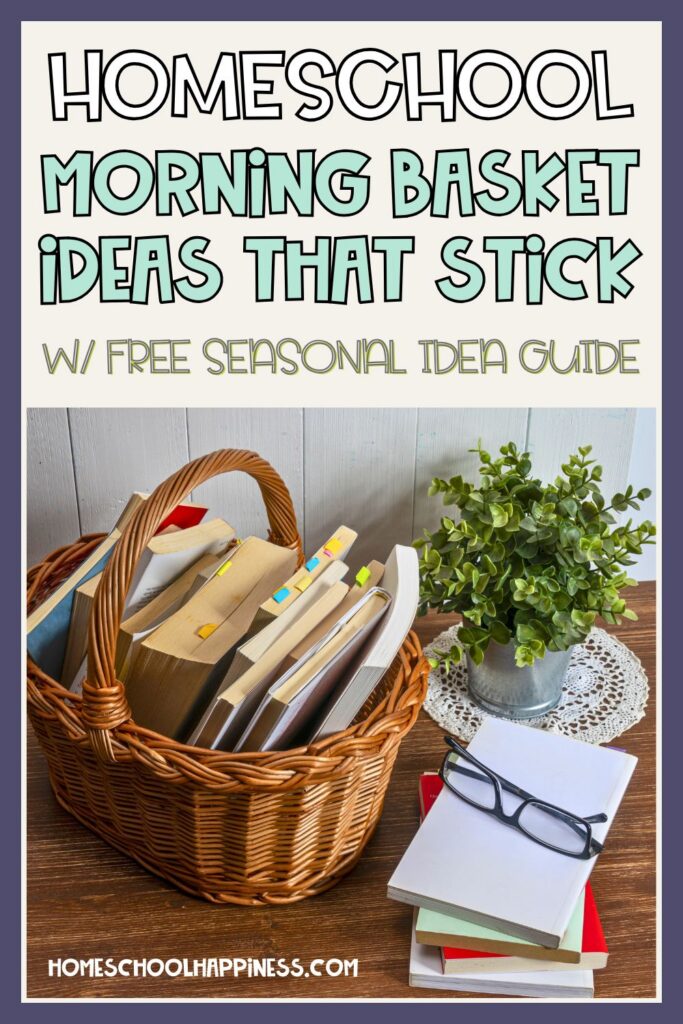
At its core, a morning basket is simply a collection of books, activities, or practices you gather to begin the homeschool day together. It doesn’t need to be complicated or Pinterest-worthy — think of it as a gathering place, not a curriculum in disguise.
The beauty of a morning basket is its flexibility. For some families, it’s ten quiet minutes with a read-aloud before breakfast. For others, it’s a devotional, a poem, and a puzzle at the kitchen table. It can be short and simple on busy days or linger a little longer when you have the time.
Most importantly, a morning basket works best when you treat it as an anchor, not another subject to check off the list. It’s less about “getting through material” and more about creating a rhythm that brings everyone together before moving into the rest of the day’s lessons.
Why Most Morning Baskets Don’t Last
If you’ve ever watched your morning basket start strong and then fade away, you’re not alone. Most families run into the same few pitfalls:
- Too packed. It’s tempting to load the basket with every great book, flashcard set, and activity you can find. But too much choice can feel overwhelming, making it harder to actually start.
- Too rigid. A basket that only works if everyone is in the mood or on their best behavior won’t survive real life. Kids’ ages, energy, and attention spans shift — your basket needs to bend with them.
- Poor timing. If you’re trying to squeeze it in when kids are hungry, restless, or when you’re already rushed, it will feel like a battle instead of a joy.
- Curriculum creep. When the basket becomes another subject to check off, the heart of it is lost. Morning time is meant to be a family rhythm, not a mini school day in disguise.
The good news is that once you see these traps, you can avoid them — and build a morning basket that truly lasts.
Keys to Building a Lasting Morning Basket
Once you know the common pitfalls, the next step is to build a basket that can actually stick. A few simple shifts make all the difference:
- Start small. You don’t need a dozen resources. Begin with one read-aloud and one simple activity. If it feels doable, you’re far more likely to keep showing up.
- Keep it flexible. Let your basket change with the seasons or your child’s current interests. A fall poetry book or a nature journal can bring new life without starting over.
- Anchor it to a routine. Tie your basket to something that already happens — morning snack, lighting a candle, or gathering on the couch. The habit forms more naturally when it’s attached to an existing rhythm.
- Involve kids in choices. Invite them to pick a poem, trivia card, or picture book. When they feel ownership, they’re more invested.
- Refresh, don’t reinvent. Swap out a few items each week but keep the familiar core pieces. A basket that’s both steady and fresh becomes something everyone can count on.
Small, steady steps are what turn a morning basket from a good idea into a long-lasting habit.

Homeschool Morning Basket Ideas That Work Long-Term
The best morning baskets aren’t overstuffed — they’re a thoughtful mix of resources that spark curiosity and connection. Here are some categories to draw from as you build a basket that lasts:
Read-Alouds & Literature
- Picture books for younger kids
- Short chapter books the whole family can enjoy
- Poetry collections — even just one poem a day
- Folk tales or fables for quick, meaningful stories
Faith & Character
- A simple devotional or scripture reading
- Affirmation or virtue cards
- Gratitude journal entries — just a sentence or two
- Biographies or stories of inspiring figures
Skills in Small Doses
- Flashcards for math facts or sight words
- A quick puzzle or brain teaser
- Short handwriting prompts or copywork
- Math games that feel more like play than drill
Creative Fun
- Coloring pages or nature sketches
- A simple art supply (watercolors, oil pastels, or stickers)
- Journal prompts for kids to draw or write
- Folk songs, rhymes, or fingerplays
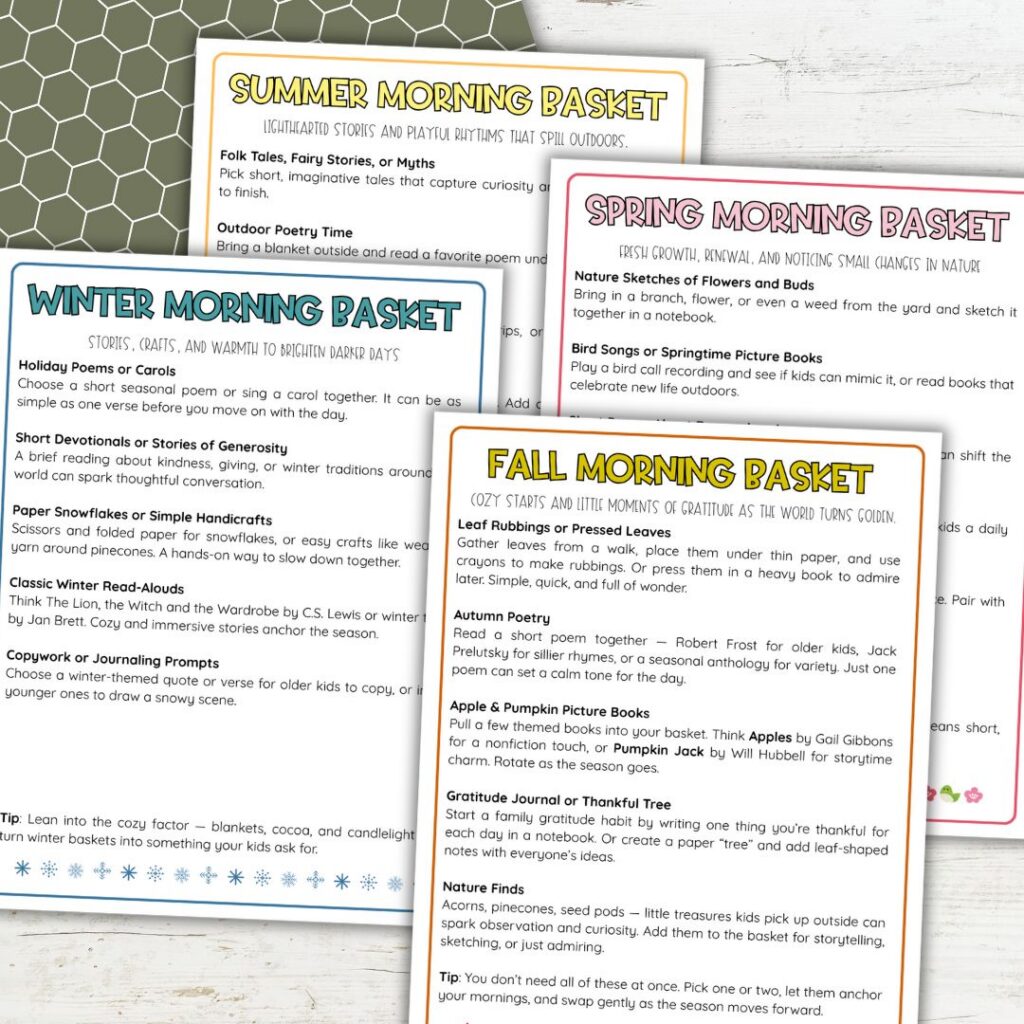
Seasonal & Nature-Based
- Leaf rubbings or pressed flowers in fall
- Holiday poems or songs around special times of year
- Nature finds — acorns, shells, feathers — to spark observation
- Seasonal picture books tied to weather, harvest, or traditions
You don’t need something from every category at once. Choose a few that fit your family’s current season, then rotate over time to keep it fresh without overwhelming.
Sample Morning Basket Rhythm (That Doesn’t Burn Out)
It’s one thing to gather ideas — it’s another to see how they fit into a real week. Here’s a simple rhythm you can adapt. Notice each day has just a few pieces, so it feels doable and not overwhelming.
- Monday: Read-aloud + poem + quick math game
- Tuesday: Read-aloud + nature journal entry
- Wednesday: Read-aloud + art or handcraft (simple sketching, watercolor, or clay)
- Thursday: Read-aloud + faith or character reading
- Friday: Read-aloud + free choice (let your child pick from the basket)
This kind of rotation keeps things steady but still gives a sense of variety. You’ll hit literature, skills, creativity, and values over the course of the week without having to cram it all in every morning.
Tips for Keeping It Going Beyond Week 1
A morning basket doesn’t have to fade after the first burst of excitement. A few small shifts can help it become a habit your family actually enjoys:
- Keep it visible and ready. Place the basket on the coffee table, by the couch, or wherever you usually gather. Out of sight often means out of mind.
- Limit sessions to 10–20 minutes. Short and sweet is better than long and forced. Leave kids wanting more instead of dragging it out.
- Celebrate connection, not completion. The win isn’t checking off activities — it’s sharing a moment of calm and closeness.
- Adjust with the seasons. Rotate resources so the basket feels fresh — summer nature guides, winter stories, spring poems.
- Give yourself permission to skip. Missing a day doesn’t mean you’ve failed. Just pick it back up the next time and keep going.
The goal isn’t perfection, it’s creating a gentle rhythm that lasts.
A homeschool morning basket that lasts isn’t built on perfect plans or an overflowing pile of resources. It’s built on small, steady moments of connection — the kind that anchor your homeschool days and give everyone a gentle place to begin.
If you’ve struggled to keep the habit going in the past, try starting fresh with just one simple idea this week. Add a favorite read-aloud, a poem, or a nature find, and see how it feels. Little by little, those small choices grow into a rhythm that lasts.
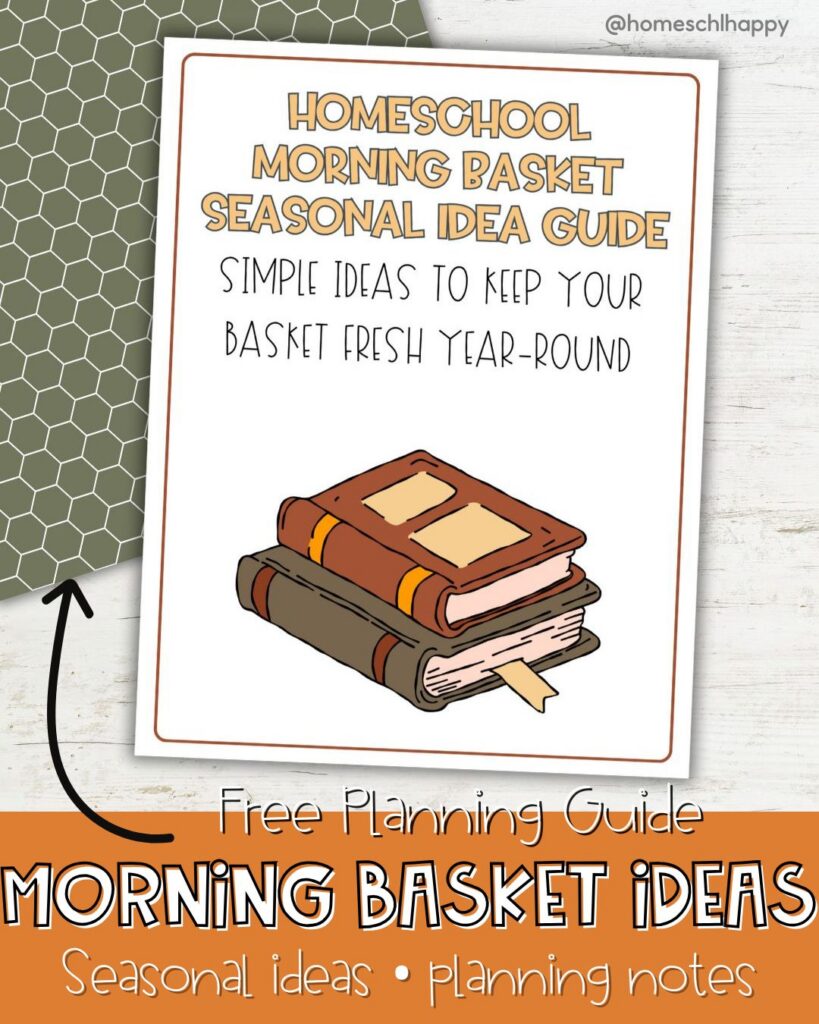
Want a little extra help? Grab my free Morning Basket Seasonal Idea List to make building your own basket even easier.


Hi, I’m Tara—mom of three, former teacher, and now full-time homeschooler. After years in both preschool and public school classrooms, I brought the learning home and never looked back. At Homeschool Happiness, I share real-life tips, simple activities, and encouragement to help you create a homeschool life that feels good for your family—one filled with connection, laughter, and meaningful moments. We’re in this together!


