What Age to Start Homeschool Preschool
Honestly, I hear from many parents about what age to start homeschool preschool. Homeschooling preschool can feel a little overwhelming at first because there’s no one-size-fits-all answer — every child is unique, and every family is different. Some kids are ready to jump into simple learning activities at age two or three, while others blossom closer to four or five. And guess what? Both are perfectly okay!
In this post, we’ll chat about how to know if your child is ready, what age most families start homeschooling preschool, and what you can expect when you do. I’ll also share some tips to help you get started confidently and keep things light and playful.
So, if you’ve been wondering when and how to begin, you’re in the right place! Let’s make this simple and fun together
What Age to Start Homeschool Preschool
Let’s look at what age is best for starting homeschool preschool and what signs to watch for in your child. Remember, there’s no rush — preschool at home should feel relaxed and enjoyable for both of you. Here’s what you need to know before you dive in!
Understanding Preschool Readiness
Preschool readiness isn’t really about hitting a certain age — it’s about looking for signs that your child is ready to explore and learn in a playful way. It simply means they’re showing little clues that they’re curious and open to trying new things.
Instead of focusing on a number, watch for developmental signs. Does your child show interest in learning or playing with you? Can they follow simple directions like “put your shoes on” or “find the red block”? Are they starting to use their hands and bodies in new ways, like stacking blocks, coloring, or jumping?
Every child moves at their own pace, and that’s okay! Some kids might be ready for homeschool preschool activities earlier, while others need more time. The most important thing is to meet your child where they are and gently encourage their love of learning.
Common Ages for Starting Homeschool Preschool
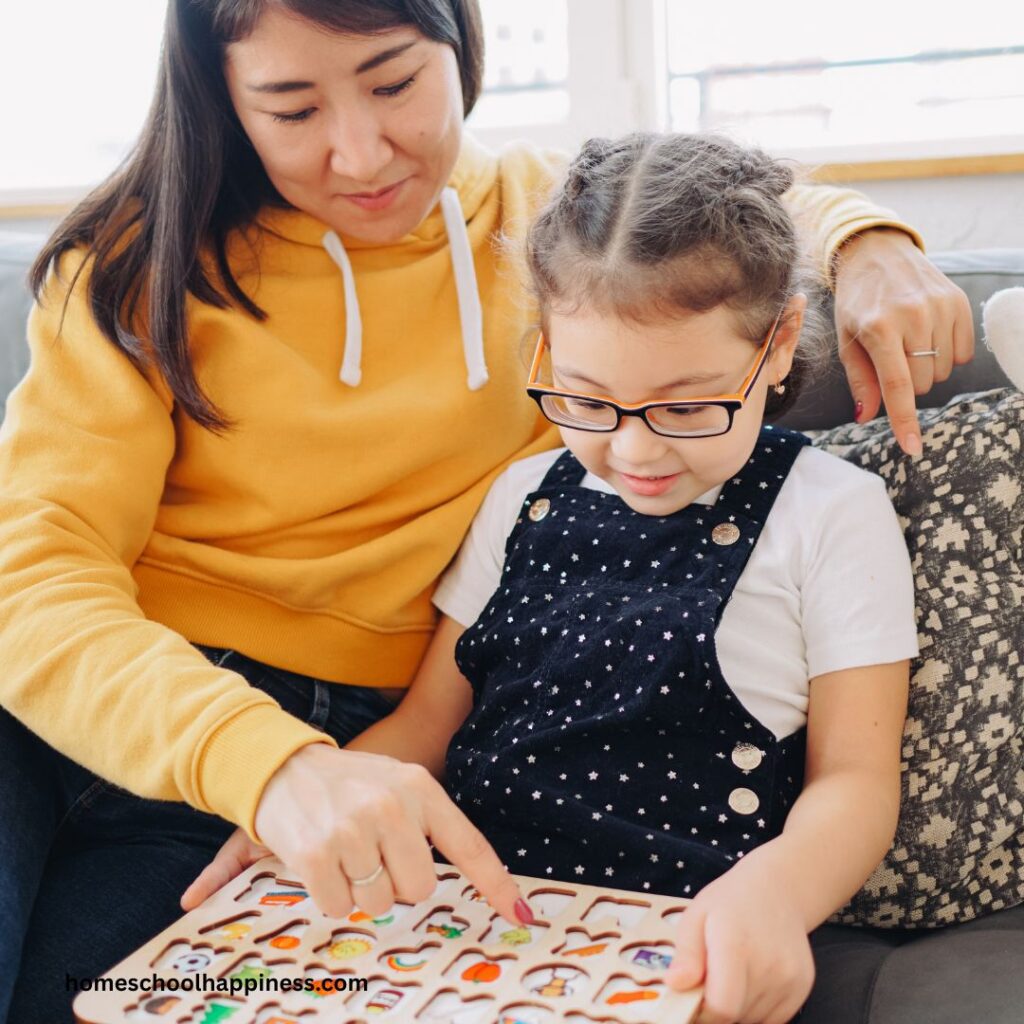
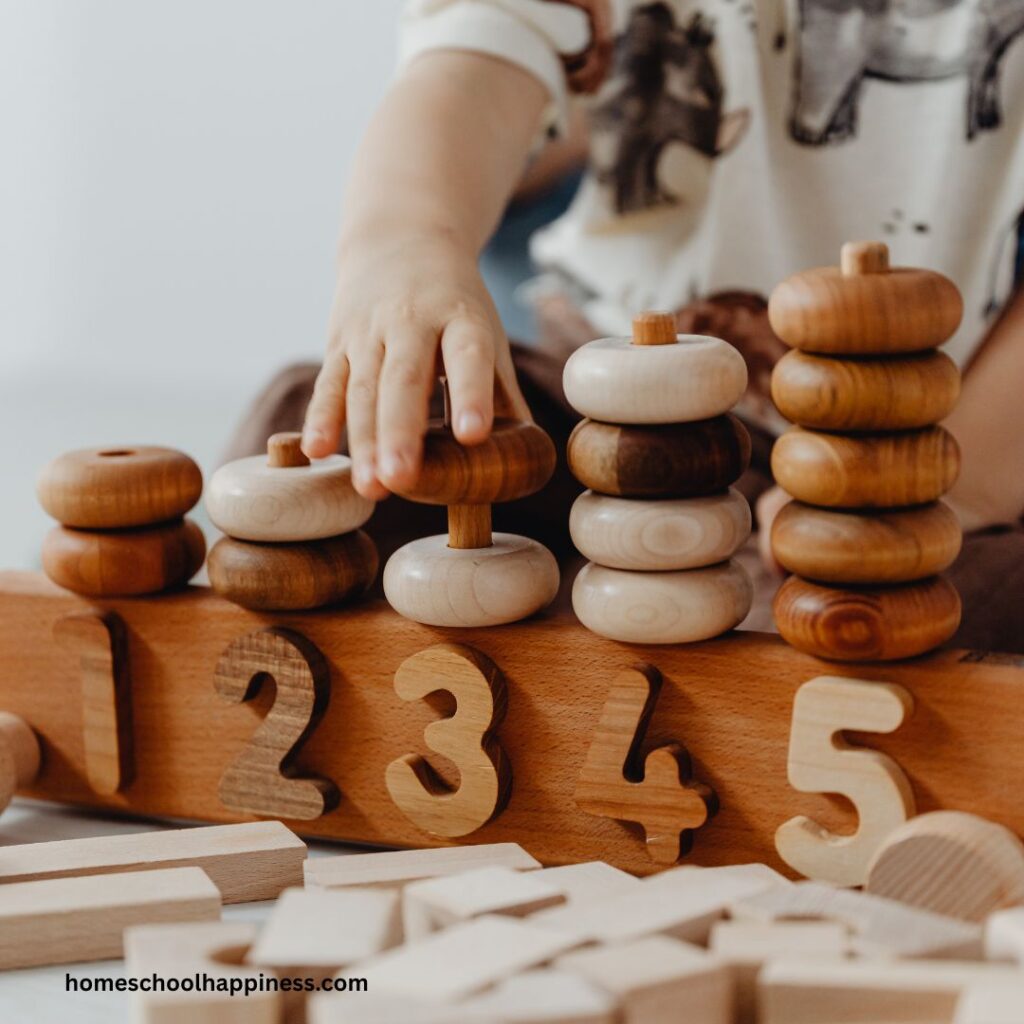
When it comes to homeschooling preschool, there’s a lot of flexibility — and that’s the beauty of it! Many families start with light, playful learning around ages 2 to 3. At this stage, it’s all about informal activities like singing songs, reading books together, stacking blocks, and exploring the world through play.
Around ages 4 to 5, some families begin adding more structured activities. This might include simple early literacy skills like recognizing letters and sounds or working with early math concepts like counting and sorting. But even then, the focus is still on keeping things fun and gentle.
Remember, there’s no right or wrong time to begin! Some families wait until kindergarten to start formal lessons; others enjoy weaving light homeschool activities into their everyday routines much earlier. Follow what feels right for your child and your family.
Benefits of Early Homeschooling
Starting homeschool preschool early has some really sweet benefits. First, it strengthens the bond between you and your child — you can share little moments of learning, laughter, and discovery together.
It also allows your child to learn through play and exploration, which is exactly how young kids learn best! They’re naturally curious, and homeschooling allows them to follow that curiosity at their own pace.
You’re also helping build a strong foundation for a lifelong love of learning. When learning feels fun and connected to daily life, kids are more excited to keep going. Plus, homeschooling allows you to meet your child’s unique needs, whether they’re ready to dive into letters or want to play and explore a little longer.
Signs Your Child Might Be Ready
You might be wondering, “How do I know if my child is ready to start homeschool preschool?” Here are a few simple signs to watch for.
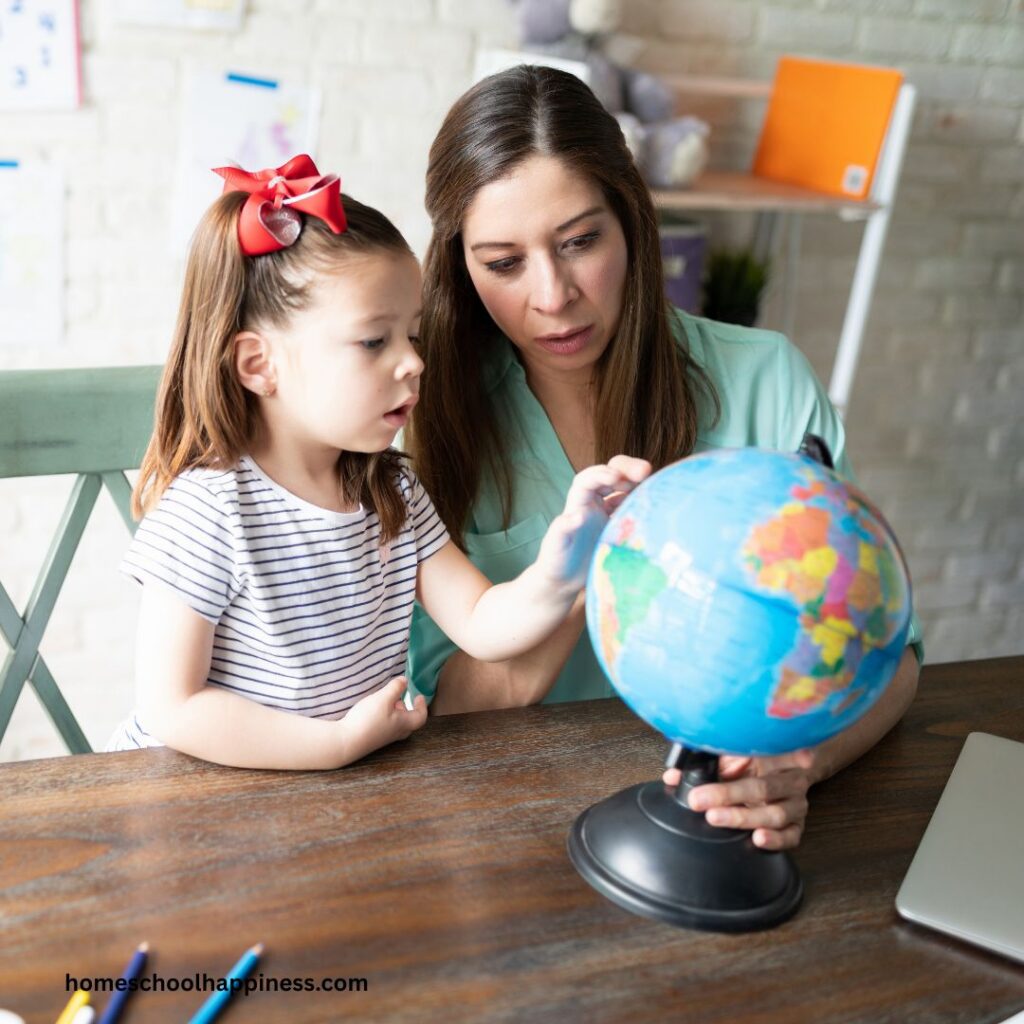
Your child may show curiosity about letters, numbers, or books — maybe they like pointing out letters on signs or pretending to “read” their favorite story. They might enjoy crafts, puzzles, or other hands-on activities that let them explore and create.
Another good sign is if they can sit and focus on something (even just for 5–10 minutes) without getting frustrated. You may also notice them showing more independence in simple tasks, like putting on shoes or helping clean up toys.
Remember, these signs don’t all have to be there at once! Every child develops at their own pace, and you can gently introduce preschool activities when they seem ready.
What to Focus On at Each Stage
At ages 2–3, the focus should be on social-emotional development — things like helping your child learn to share, take turns, and express their feelings. Simple routines, sensory play (like playing with playdough or water), and fine motor activities (like stacking blocks or scribbling with crayons) are perfect at this stage. It’s all about learning through play!
By ages 4–5, you can start weaving in some early academic concepts. This might include structured play with letter and number activities, working on pre-reading skills like recognizing sounds, or exploring early math with counting games.
But no matter the age, remember that play and life skills are as important as academics. Helping your child learn to follow directions, work through problems, and explore the world around them sets the stage for happy, confident learning later on!
Tips for Starting Homeschool Preschool
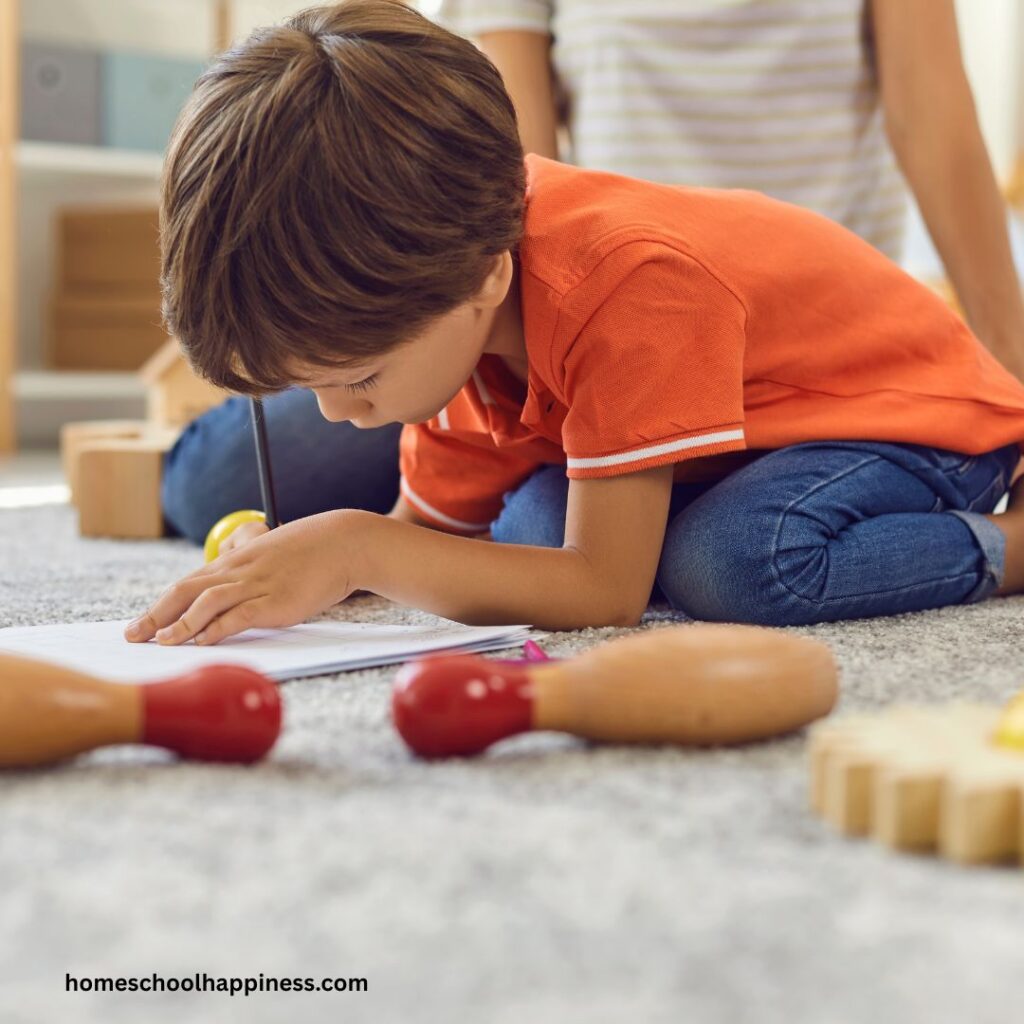
Remember to keep lessons short and playful when you’re just starting out — little kids learn best when they’re having fun! You don’t need to plan long or fancy activities; even 10–15 minutes here and there is plenty.
Follow your child’s interests. If they’re fascinated by dinosaurs or flowers or trucks, build little learning moments around those topics. Use everyday moments, too — cooking together, taking a nature walk, or even running errands can become fun learning opportunities.
Most importantly, be flexible and patient. There’s no rush; your homeschool preschool doesn’t have to look like anyone else’s. If you want to add a social element, consider joining a homeschool co-op or a local playgroup — it’s an excellent way for you and your child to make connections and have fun!
Common Concerns
One of parents’ biggest worries is, “Am I starting too early or too late?” Here’s the good news: children learn naturally, and there’s a wide range of what’s normal. Starting homeschool preschool can look different for every family — some begin light activities at age two, while others wait until age five, and both are perfectly fine!
Another common concern is, “What if my child isn’t interested yet?” Don’t worry — at this age, learning should feel fun and low-pressure. If your child isn’t ready to sit for an activity, focus on playful learning through songs, stories, and everyday moments. With time, their interest will grow, and you can gently add more when they’re ready.
Helpful Resources
If you’re unsure where to start, don’t worry — there are so many helpful resources to guide you! Look for simple preschool printables, activity packs, or homeschool preschool guides that fit your child’s age and interests. These can give you ready-to-go ideas without the stress of planning everything from scratch.
You can also explore favorite preschool books, songs, and games that make learning fun and hands-on. Many families enjoy using online resources, local library storytimes, or even simple craft ideas you can do at home.
And remember, you don’t have to go it alone! As you navigate this exciting journey, homeschool co-ops, online groups, and local playgroups can offer support, advice, and a sense of community. You’ve got this — and there’s always help when needed!
FAQs About Homeschooling Preschool
No, you don’t! Most learning at this age happens naturally through play, books, and exploration. If you want, you can add simple printables or activities, but it’s not required.
Just 20–30 minutes of focused activity is plenty for preschoolers. The rest of the day can be filled with free play and learning through everyday moments.
That’s perfectly normal! Keep things playful and low-pressure, and your child’s interest will grow.
Homeschooling preschool is a wonderful way to connect with your child and help them learn and grow at their own pace. Remember, there’s no perfect age to start — follow your child’s lead and keep things playful and fun.
Whether you begin at age two or wait until closer to five, you’re building a strong foundation for a love of learning that will last for years. You’ve got this, and I’m cheering you on every step of the way!

Hi, I’m Tara—mom of three, former teacher, and now full-time homeschooler. After years in both preschool and public school classrooms, I brought the learning home and never looked back. At Homeschool Happiness, I share real-life tips, simple activities, and encouragement to help you create a homeschool life that feels good for your family—one filled with connection, laughter, and meaningful moments. We’re in this together!


