Tips for Using Summer to Observe Learning Styles
These tips for using summer to observe learning styles can really help you plan a homeschool year that fits your child’s needs. Every child learns in their own unique way—some love to see things (visual learners), others like to hear and talk through ideas (auditory learners), and some need to move and explore with their hands (kinesthetic learners).
Figuring out how your child learns best doesn’t have to be complicated. And the good news? Summer is the perfect time to slow down, watch, and discover what makes your child’s brain light up.
When you take time to notice how your child naturally plays, asks questions, or solves problems, you’re gathering clues that can help you support them better during the school year. So let’s talk about how to make the most of your summer with these easy homeschool tips for observing learning styles.
Why Summer is the Perfect Time for Observation
Summer gives us the gift of slower days and more flexibility. Without the structure of a typical school schedule, you get the chance to really watch how your child learns and explores the world around them. It’s the perfect season to pause and pay attention.
More free time, less pressure:
During the school year, there’s often a checklist of lessons to get through. But in the summer, there’s room to breathe. Kids can learn at their own pace, which makes it easier to notice what they naturally gravitate toward and how they prefer to take in new information.
Natural curiosity comes out:
When kids aren’t following a strict curriculum, their own interests start to shine. You might notice how they ask questions, solve problems, or come up with creative ideas—all great clues about their learning style.
Opportunity to try diverse activities:
Summer is full of chances to explore—whether it’s a trip to the zoo, building with blocks, listening to audiobooks, or painting outside. Each activity gives you a new window into how your child learns best.

The Common Learning Styles
Every child learns in their own way, and noticing their learning style can make a big difference when it comes to helping them grow. Let’s look at the four most common learning styles in simple terms—plus a few examples of what they might look like during summer break.
Visual Learners
These kids learn best when they can see things. They love pictures, colors, charts, and watching how things work.
Summer example: They might enjoy drawing what they see on a nature walk, organizing toys by color, or following step-by-step picture instructions to build something.



Auditory Learners
These learners do best when they hear the information. They enjoy music, talking things through, and listening to stories.
Summer example: They may love listening to audiobooks, singing along to songs in the car, or chatting with you about what they learned at the museum.

![101 Favorite Sing-A-Long Songs For Kids[3 CD]](https://m.media-amazon.com/images/I/51FspyKdMvL._SL500_.jpg)
Kinesthetic Learners
Hands-on and full of energy, these kids learn by doing. They like to touch, move, and explore with their whole body.
Summer example: Think building sandcastles, doing science experiments, or learning how to ride a scooter—they’re always on the go!


Read/Write Learners
These kids enjoy reading and writing to take in new information. They might be naturally drawn to books, journals, or writing out their thoughts.
Summer example: They might start a summer journal, make lists, or dive into chapter books under a shady tree.


Easy Ways to Observe Learning Preferences
You don’t need anything fancy to figure out how your child learns best—just a little curiosity and a watchful eye! Here are some simple ways to start observing your child’s learning preferences during everyday summer fun.
Let them choose from a list of activities.
Offer a mix of things like watching a nature video, doing a craft, listening to an audiobook, or building something with blocks. Then sit back and see what they choose! Their go-to picks can give you great insight into how they take in information.
Watch how they solve problems.
Pay attention when they hit a little bump in an activity. Do they draw a picture to figure it out? Do they talk through it with you? Do they try different hands-on ways until something works? Each of those clues points to a different learning style.
Notice what lights them up.
What gets your child truly excited? Maybe it’s telling made-up stories, building a fort, dancing to music, or diving into a book. The things they naturally love often match their preferred way of learning.
Sample Activities for Each Learning Style
Once you start noticing how your child learns, it’s fun to match activities to their style! Here are a few easy summer ideas for each type of learner. Feel free to mix and match—most kids enjoy a little bit of everything!
For Visual Learners:
These kids love seeing the world in pictures and colors.
- Go on a nature walk and start a nature journal with drawings and labels.
- Break out the sidewalk chalk and let them draw shapes, letters, or scenes.
- Encourage them to create their own comic strips with fun characters and silly stories.


For Auditory Learners:
They enjoy sounds, songs, and spoken words.
- Turn on a kids’ podcast while they snack or ride in the car.
- Have a family singalong or make up silly songs together.
- Take turns telling stories aloud, adding one sentence at a time.
For Kinesthetic Learners:
These kids need to move and do!
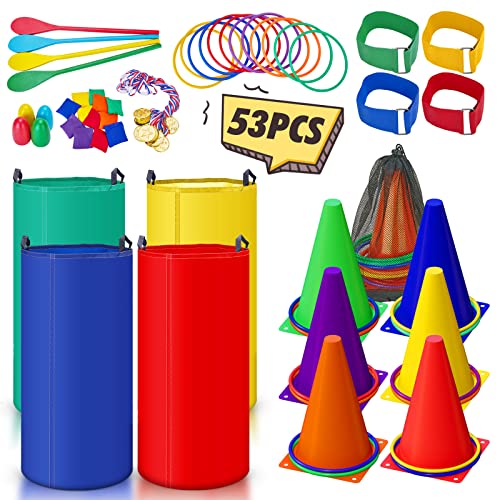
- Set up a backyard obstacle course using cones, pillows, or pool noodles.
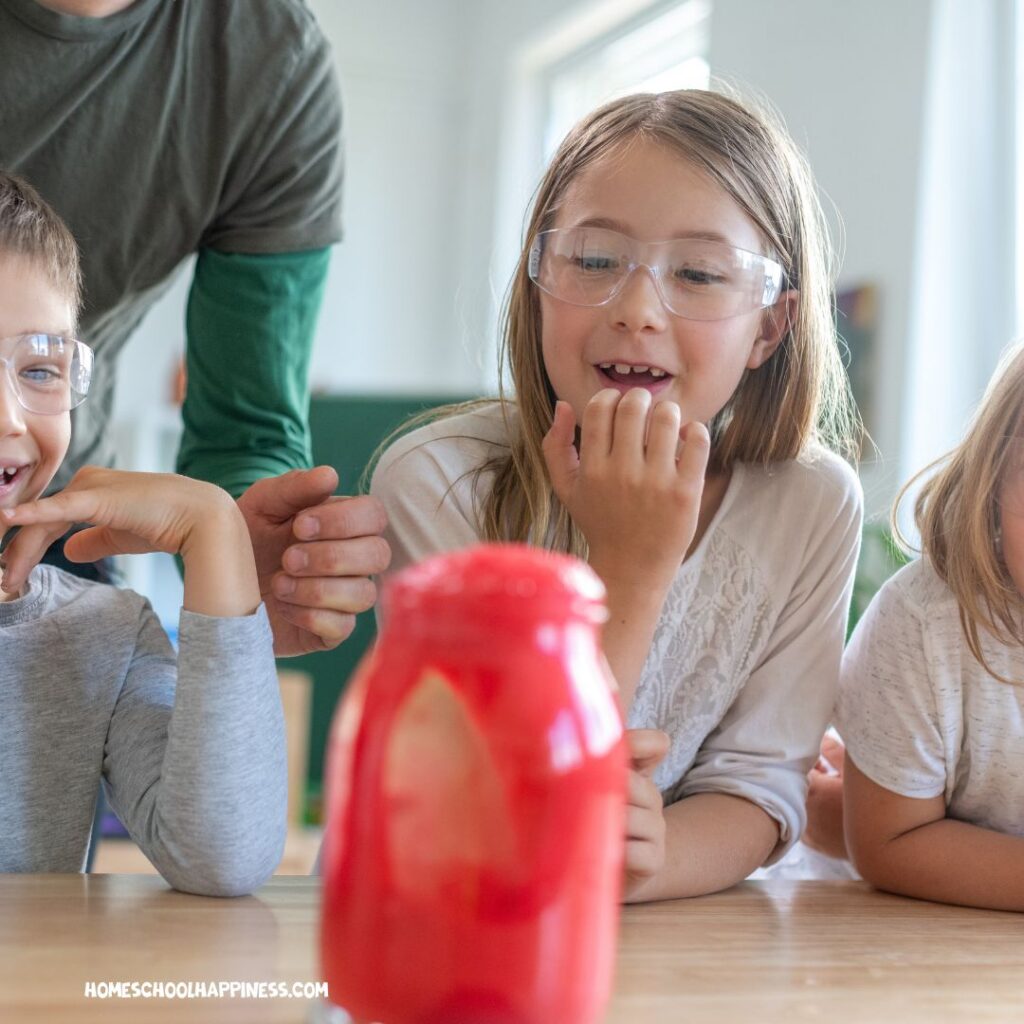
- Try simple science experiments like making a volcano or oobleck.
- Invite them to help with cooking or baking, measuring and mixing.


For Read/Write Learners:
They love words, both on the page and on paper.
- Start a summer reading challenge with a fun reward.
- Set up a space for writing letters to friends or family.
- Encourage them to keep a summer diary with drawings and notes about their day.
Keeping a Simple Observation Journal
You don’t need anything fancy to track how your child learns—just a notebook, a printable, or even a few sticky notes. The goal is to jot down little things you notice each week. Over time, those small moments can reveal big patterns!
Here are a few simple tips to get started:
- Set aside 5–10 minutes once a week to reflect on what your child did, what they enjoyed, and how they reacted to different activities.
- Use prompts like: What activity did they choose first? How did they solve a problem? What got them really excited this week?
- Don’t overthink it—just write what you saw!
At the end of summer, look back through your notes. Are there patterns? Maybe your child always picked art supplies or loved telling stories. These clues can help you choose homeschool activities and routines that match their learning style.
How to Use What You’ve Learned
Once you’ve spent some time observing your child’s learning style over the summer, you can use what you’ve discovered to make the school year smoother and more fun—for both of you!
Tailor your approach to match their style.
If your child is a visual learner, try using charts, diagrams, and picture books. For auditory learners, focus on read-alouds, songs, and discussions. Kinesthetic learners will thrive with hands-on projects and movement breaks. And if your child loves reading and writing, give them lots of chances to work with words.
Choose curriculum and activities that fit.
Some homeschool programs lean heavily on workbooks, while others use games, videos, or interactive lessons. Picking a curriculum that lines up with your child’s learning style can help them stay more engaged and confident.
Support their growth at home.
Now that you know what clicks for your child, you can create a learning environment that works for them—whether that’s a quiet reading nook, a table full of craft supplies, or time in the backyard for science and play.
It’s amazing how much you can learn about your child just by watching them play, explore, and create. Those small, intentional observations you make over the summer can give you big clues about how to support their learning all year long.
Remember—there’s no pressure here. This isn’t about getting it perfect. It’s about being curious, paying attention, and letting your child show you how they learn best. Whether they love to move, listen, draw, or read, you’re learning right alongside them.
Have you noticed something special about the way your child learns? I’d love to hear! Share your thoughts or favorite summer activities in the comments below. Let’s keep learning from one another!

Hi, I’m Tara—mom of three, former teacher, and now full-time homeschooler. After years in both preschool and public school classrooms, I brought the learning home and never looked back. At Homeschool Happiness, I share real-life tips, simple activities, and encouragement to help you create a homeschool life that feels good for your family—one filled with connection, laughter, and meaningful moments. We’re in this together!