How to Create a Simple Summer Learning Routine
If you’re wondering how to create a simple summer learning routine without feeling overwhelmed, don’t worry — it’s easier than it sounds! In fact, building a summer learning routine can be easy, fun, and a great way to keep kids’ skills sharp while giving them lots of time to relax and play. A simple summer routine helps prevent the “summer slide” (where kids forget things they learned) and keeps their natural curiosity growing strong.
In this post, I’ll walk you through some easy steps and tips to create a simple, effective summer learning routine that fits your family, without feeling like school all over again. Trust me, it doesn’t have to be complicated or time-consuming. Just a few small changes can make a big difference!
Stick around — I’ll show you how easy it can be to keep learning light, fun, and stress-free this summer.

How to Create a Simple Summer Learning Schedule
Creating a simple summer learning schedule doesn’t have to be stressful or complicated. A little structure can help your days flow more smoothly and make learning easy and fun. I’ll show you how to set a flexible, kid-friendly schedule perfect for summer. You’ll have a simple plan, without feeling like you’re running a full school day!



Set Clear, Achievable Goals
The first step in creating a simple summer learning routine is setting clear and realistic goals. Start by picking just one to three main skills to focus on, like building reading fluency, brushing up on basic math facts, or exploring a fun new topic your child is curious about.
Think about what’s age-appropriate and what your child actually needs—there’s no need to try to cover everything! Setting small, reachable goals helps keep learning fun and avoids burnout (for you and your child!). A little progress each day adds up to a lot by the end of summer!
Create a Flexible Weekly Schedule
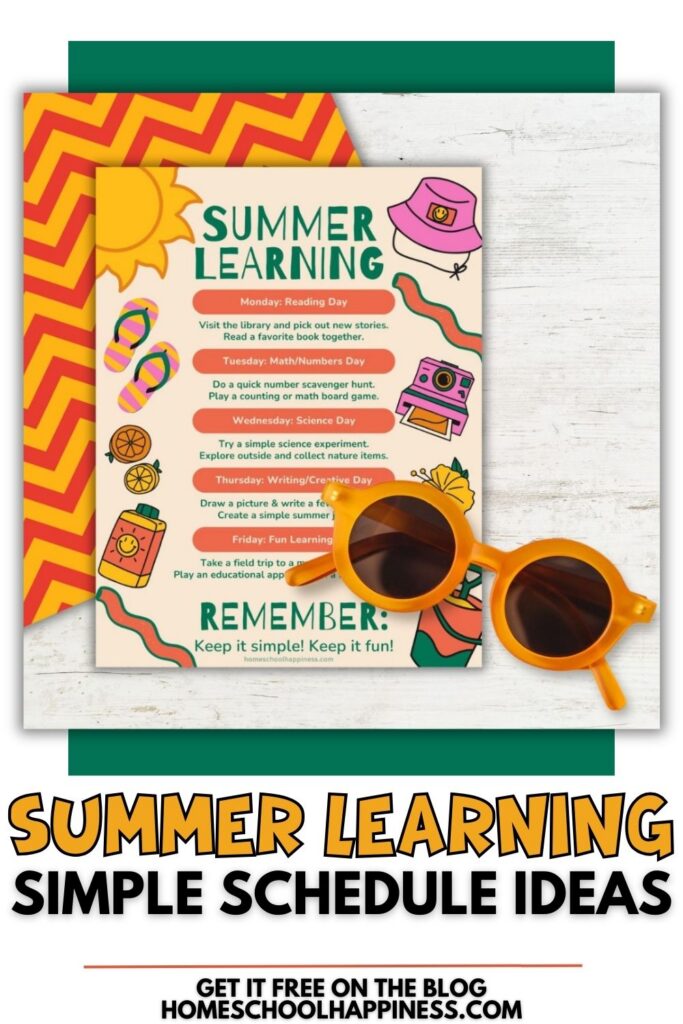
Once you’ve set your goals, it’s time to create a simple weekly schedule. Having a little bit of structure helps kids know what to expect, but it’s important to keep it flexible — we’re aiming for a routine, not a strict schedule! Here’s an easy sample you can follow:
- Monday: Reading Day
- Tuesday: Math/Numbers Day
- Wednesday: Science/Experiment Day
- Thursday: Writing/Creative Day
- Friday: Fun Learning (field trips, virtual tours, educational games)
Feel free to mix things up depending on your family’s plans each week! The idea is to build a gentle rhythm that fits into your summer days without feeling like a full school schedule.
🌟 Quick Tip:
Don’t stress if a day doesn’t go perfectly! Summer is all about flexibility. If you miss a day or change plans, jump back in when you can. Every little bit of learning adds up!
Keep Daily Activities Short and Sweet
When it comes to summer learning, short and sweet is the way to go! Kids learn best in small bursts, and keeping activities bite-sized helps hold their attention and leaves plenty of time for play and relaxation.
Aim for short, consistent learning sessions — around 20 to 45 minutes, depending on your child’s age and focus level. A little bit each day makes a big difference without making learning feel like a chore. Plus, when kids know their work time is short, they’re more likely to stay engaged and excited to learn!
Mix in Different Types of Learning
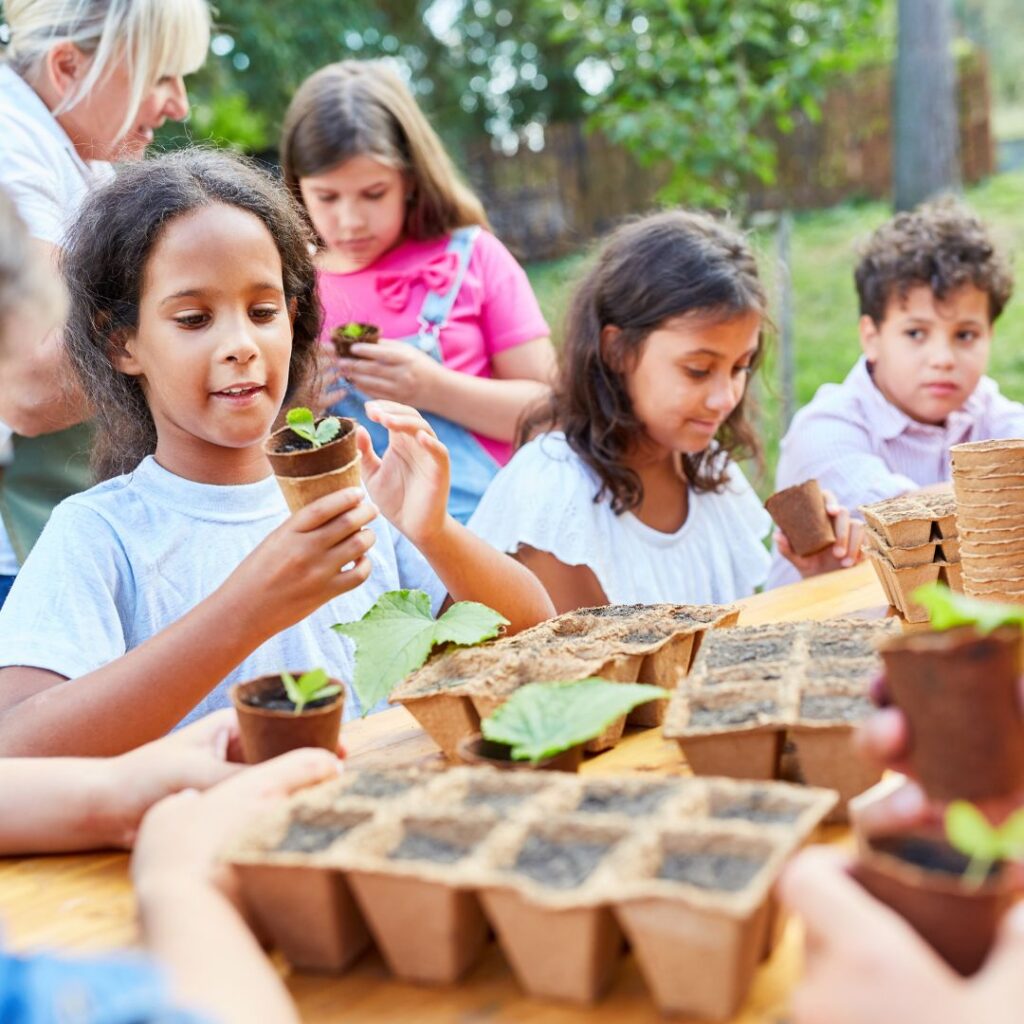
One of the best parts about summer learning is how much fun you can have with it! Try mixing things up to keep kids interested and excited. You can add in hands-on activities like simple science experiments or building projects, enjoy outdoor learning with nature walks or scavenger hunts, or sprinkle in a few educational apps or games for extra practice. Art projects tied to your learning themes are always a hit too!
The key is to follow your child’s interests. If they love animals, dive into animal books, crafts, and field trips. If they’re curious about space, build rockets and watch space videos together. Learning feels a lot more like play when you mix it up!
🎉 Fun Ideas to Try:
- Set up a backyard nature hunt and look for bugs, birds, or cool rocks.
- Build a simple volcano or make slime for hands-on science fun.
- Paint storybook characters after reading together.
- Use a favorite educational app for 15 minutes after lunch.
- Visit a local museum, zoo, or aquarium for a day of real-world learning!

Use Simple Tools and Resources
You don’t need fancy programs or expensive supplies to make summer learning a success! There are so many free or inexpensive resources you can use. Look for printable worksheets online, check out free library programs, or explore fun and educational YouTube learning channels made just for kids.
A few basics — like a simple notebook, a library card, and a box of craft supplies — can take you a long way. You can create reading journals, science experiments, art projects, and more with simple tools. Sometimes, the simplest things spark the best learning adventures!
🛒 Summer Learning Starter Kit:
- A spiral notebook or blank journal
- A library card (free adventures waiting!)
- Crayons, markers, and scissors
- Glue sticks and construction paper
- Access to a few kid-friendly YouTube channels or printable websites
Build in Time for Review and Reflection
It’s essential to take a little time to look back at everything your child has learned! Try having a weekly or bi-weekly check-in where you ask simple questions like, “What did we learn this week?” or “What was your favorite thing we did?”
You can also encourage kids to journal or draw about their discoveries. It doesn’t have to be fancy — a quick picture, a few sentences, or a sticker chart can make it fun! Reflecting helps kids see how much they’re growing, giving them a sense of pride in their accomplishments.

Prioritize Fun and Flexibility
The most important thing to remember about summer learning? Keep it fun and flexible! Summer isn’t about recreating the school year — it’s about keeping the joy of learning alive. Some days might not go as planned, and that’s perfectly okay!
Stay positive by focusing on what works instead of worrying about what didn’t get done. Adjust and try something different the next day if a project flops or your schedule gets busy. A little learning, many smiles, and plenty of wiggle room make for the best summer!
FAQs About Creating a Summer Learning Routine
Aim for 20 to 45 minutes daily, depending on your child’s age and attention span. Some days might be shorter, and that’s fine. The goal is to keep learning light and fun — not to make it feel like a long school day. A few minutes of focused learning mixed with lots of play still adds up to a big win by the end of summer!
That’s okay — it happens! If your child resists the plan, try giving them a few simple choices. Like, “Would you rather do a storytime outside or a craft today?” Letting them feel like they have a say can make a big difference. And don’t be afraid to take a break and return to it later. Flexibility is key during summer!
Nope! You definitely don’t have to do something every single day. Some families like to keep it to Monday through Friday, others just pick a few days a week. The idea is to sprinkle in learning here and there, not to fill up the whole calendar. You can even build learning into everyday moments, like cooking together, going on a nature walk, or reading a bedtime story.
Summer learning doesn’t have to be complicated or overwhelming. With a few simple steps — and lots of flexibility — you can create a routine that keeps your child’s mind active while still making room for all the summer fun. Just remember: a little bit of learning mixed with lots of play and laughter is the perfect recipe for a great summer! You’ve got this, friend!
Need a simple place to start? Download this free printable summer learning schedule with a few easy ideas for each day!


Hi, I’m Tara—mom of three, former teacher, and now full-time homeschooler. After years in both preschool and public school classrooms, I brought the learning home and never looked back. At Homeschool Happiness, I share real-life tips, simple activities, and encouragement to help you create a homeschool life that feels good for your family—one filled with connection, laughter, and meaningful moments. We’re in this together!