Why I Don’t Use a Preschool Curriculum

When I first started homeschooling, I thought a formal program was the way to go—which is exactly why I don’t use a preschool curriculum anymore.
I followed a boxed curriculum with my son, complete with structured lessons and daily checklists. But he hated the structure. Our days became battles instead of joyful learning moments.
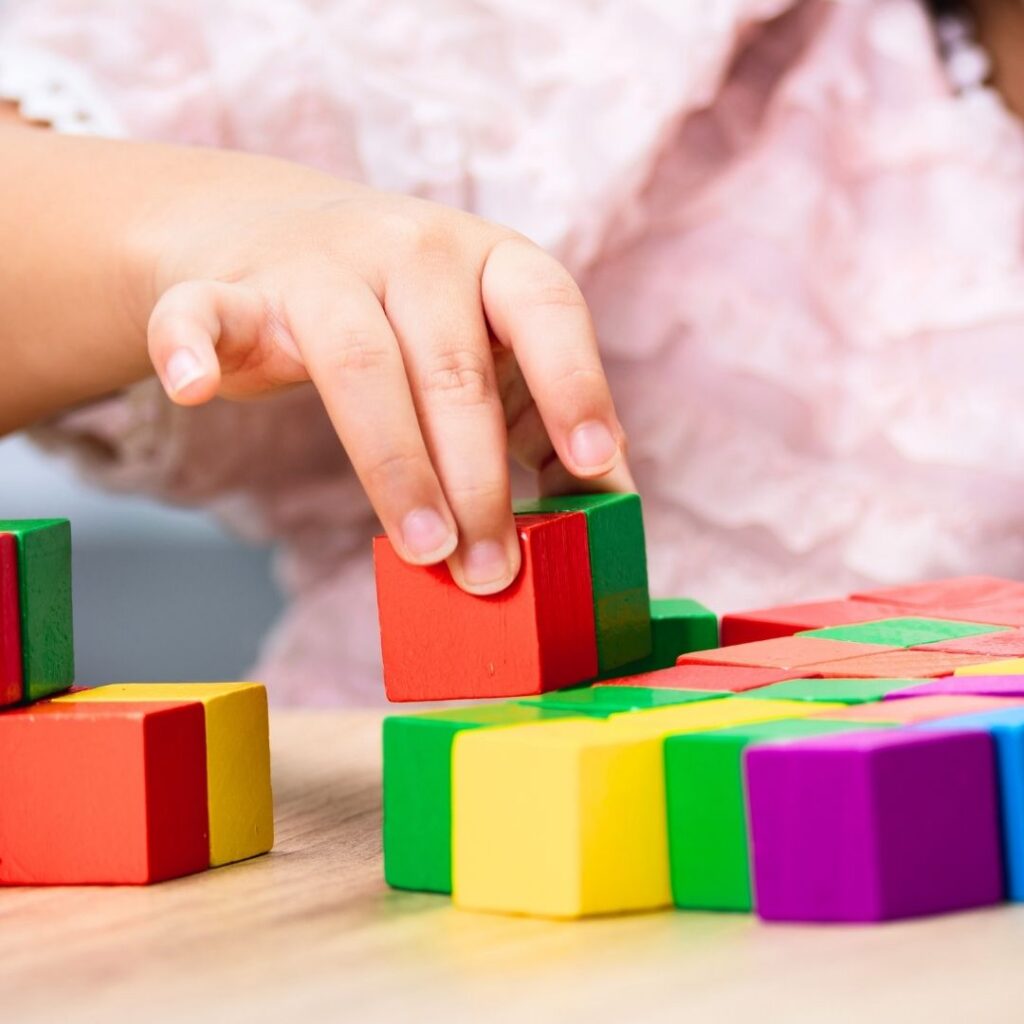
So when my daughter reached preschool age, I knew I wanted to try something different. I set aside the plans and let her lead. One morning, I watched her build a block tower for over half an hour, completely absorbed in her imaginary world.
That’s when it clicked: this unstructured moment was full of learning. It didn’t need a worksheet or a timer. Preschool doesn’t have to look like school. It can be slow, playful, and meaningful—especially when we trust our children to guide the way.
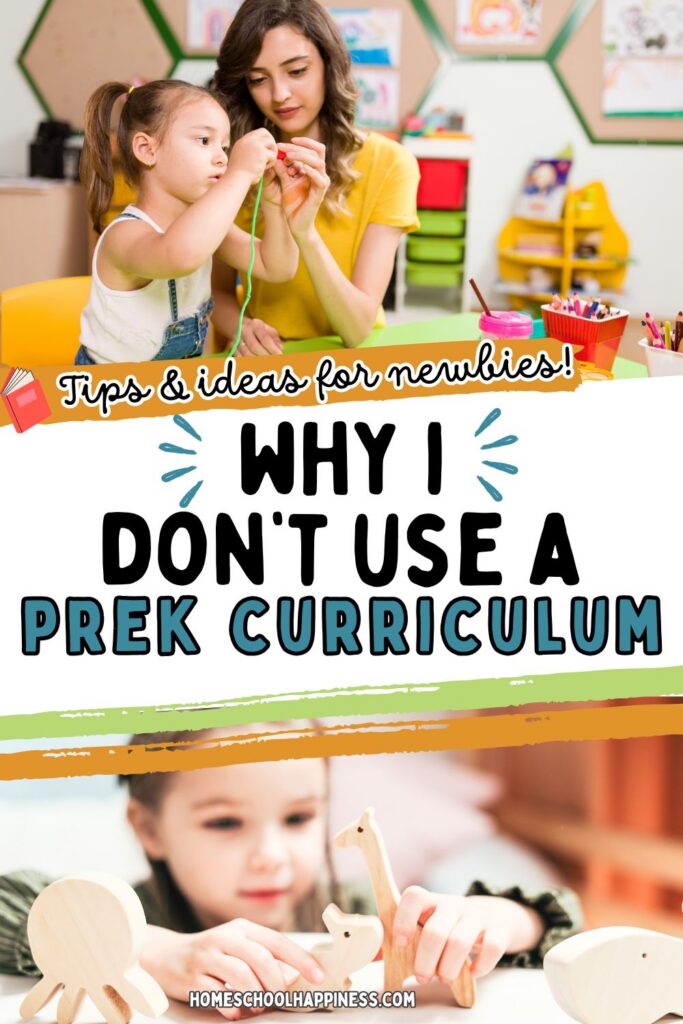
Why I Don’t Use a Preschool Curriculum
Preschool at home can look different for every family, and that’s the beauty of it. Once I let go of rigid expectations, I discovered that meaningful learning can happen in everyday moments—without needing a formal curriculum.
In the sections below, I’ll share why this approach works for us, what we do instead, and how you can create a playful, relaxed preschool experience that still lays a strong foundation for learning.
Understanding What Preschool Really Is
Preschool isn’t about workbooks or checking off boxes—it’s about giving our little ones the time and space to grow, explore, and just be little. At this age, kids learn best through play, movement, and hands-on discovery. They don’t need rigid routines or structured lessons to thrive—they need room to follow their curiosity.
I used to think preschool was all about getting my kids “ready” for school. But the more I watched them play, the more I realized they were already learning—just in a different (and honestly, better) way. Building with blocks, digging in the dirt, chatting through pretend play… those are the things that help build real-life skills like problem solving, communication, and creativity.
Preschool doesn’t have to look like school at all. It can be messy, loud, playful, and full of wonder—and that’s exactly how it should be.

Why I Chose Not to Use a Formal Curriculum
I tried the structured route. I really did. When I first started homeschooling my son, I followed a formal preschool curriculum, complete with lesson plans and workbook pages. But it didn’t take long to realize it just wasn’t the right fit. The rigid schedule felt forced, and instead of joyful learning, we had resistance, frustration, and lots of tears. It wasn’t working for him—or for me.
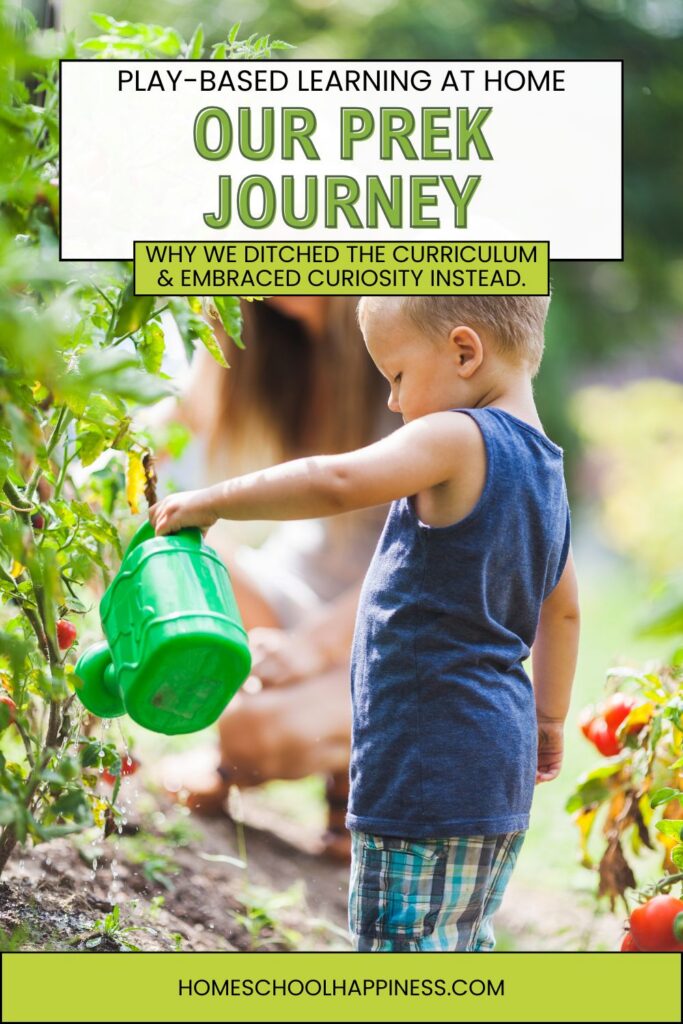
So when my daughter came along, I gave myself permission to let go of all that structure. Instead, I followed her lead. If she was fascinated by bugs, we read books about bugs, went on bug hunts, and made bug crafts. If she wanted to bake, we baked—and along the way, we counted, measured, and followed steps. It was all learning, just without the pressure.
Now, I see learning in everything we do. A nature walk turns into a science lesson. A trip to the grocery store becomes a counting game. Reading a favorite book for the hundredth time builds language and memory skills. Playtime isn’t a break from learning—it is learning. And it’s the kind that sticks.
What We Do Instead
Instead of following a strict curriculum, we keep things simple, playful, and meaningful. Our days are filled with activities that feel more like fun than school—but they’re packed with learning just the same.
We love theme-based learning. Some weeks we dive into a topic like apples, bugs, or the changing seasons. We’ll read books about it, do related crafts, explore outside, and even try themed snacks or songs. It’s a great way to tie everything together without needing a formal plan.
Often, I let my daughter choose what we focus on. This child-led approach keeps her engaged and excited. One week she wanted to learn all about rainbows—so we read rainbow books, painted with watercolors, sorted items by color, and even made a rainbow fruit salad.
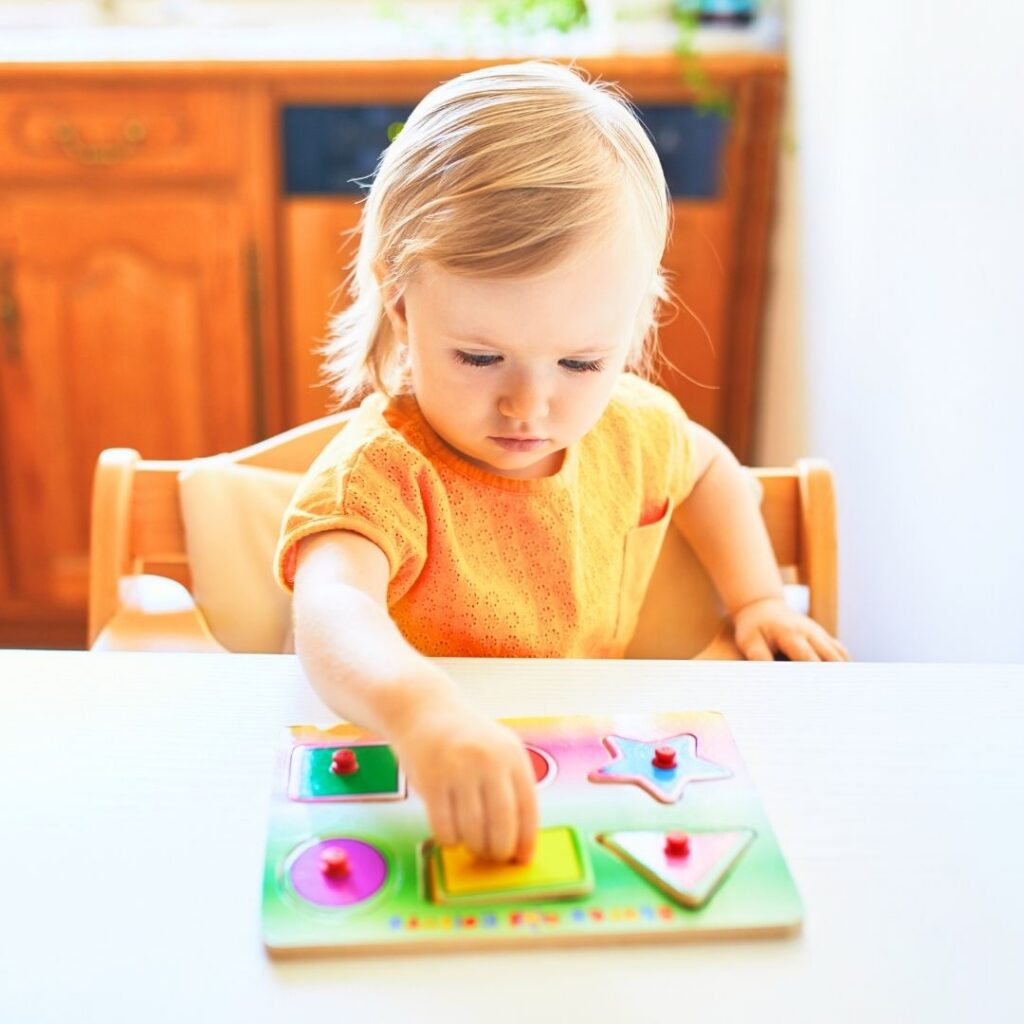
We also lean heavily into hands-on play. Puzzles, sensory bins, counting bears, sorting games, and time outdoors are our go-to tools. They build real skills without sitting at a desk.
And of course, we read every single day. Books are the heart of our homeschool—snuggled up on the couch with a stack of picture books is where the real magic happens.
Addressing Common Concerns
I know letting go of a formal curriculum can feel a little scary—I’ve been there. You might be wondering…
“Will my child be behind?”
It’s a valid question, especially when we’re bombarded with checklists and benchmarks. But here’s the truth: play-based learning builds all the foundational skills kids need for kindergarten—and then some. When your child is sorting toys by color, they’re learning categorization. When they’re building towers, they’re developing spatial awareness and problem-solving. When they’re playing house, they’re practicing language and social-emotional skills. It all counts.
“How do I know they’re learning?”
You don’t need tests or worksheets to measure growth. Pay attention to your child’s questions, the way they play, how they speak, move, and interact. Do they remember a story you read yesterday? Are they starting to count without being prompted? That’s progress.
“What about structure?”
Our days have rhythm, not a strict schedule. We follow a loose routine—morning play, story time, outdoor adventures, quiet time—but we stay flexible. Kids thrive with predictability, but they also need freedom to follow their interests and moods. And that’s where the best learning happens.

When a Curriculum Might Be Helpful
While our family thrives with a relaxed, play-based approach, I know that’s not true for everyone—and that’s okay. Some kids crave more structure, and some parents feel more confident with a plan in hand. If that’s you, there’s absolutely nothing wrong with using a light curriculum or a set of themed printables to guide your days.
The key is to use curriculum as a tool, not a checklist. Let it offer ideas and inspiration, but don’t feel bound to complete every page or stick to a strict schedule. Skip the parts that don’t work, lean into what your child enjoys, and remember—you’re the guide, not the taskmaster.
Whether you use a full program or just print out a few fun activities each week, the goal is the same: to create a joyful, meaningful preschool experience that fits your family’s rhythm.
FAQs About Homeschooling Preschool
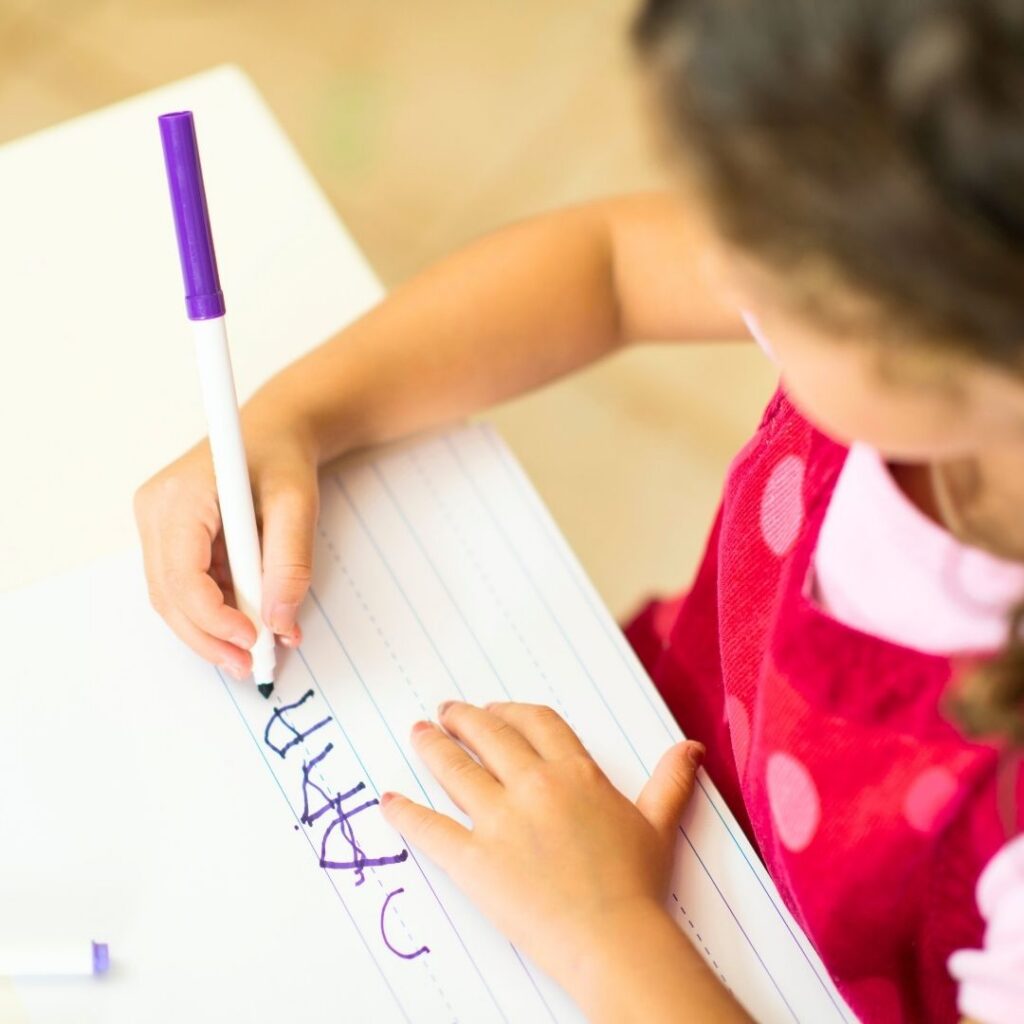
That’s a great sign they’re ready for the next step! You can slowly introduce light structure through fun printables, games, or themed activities—just keep it playful and pressure-free.
Keep it simple: explain that young children learn best through play and hands-on experiences, and reassure them your child is developing important skills every day.
Absolutely. You can blend the two in a way that works for your family—use curriculum as a flexible resource, not a rigid plan.
Trust the Process
If you’re feeling unsure about stepping away from a formal preschool curriculum, I want to encourage you—trust your instincts. You know your child better than anyone. Learning doesn’t have to come in the form of lesson plans or worksheets. It can look like messy play, endless questions, kitchen experiments, and reading the same book ten times in a row.
Preschool doesn’t need to be rushed. There’s so much value in slow, simple days filled with play and connection. The more I let go of rigid expectations, the more joy I found in the little moments—and the more I saw my kids thrive.
So take a deep breath, Mama. You’ve got this.
Your presence, your love, and your willingness to follow your child’s lead are the best curriculum there is.
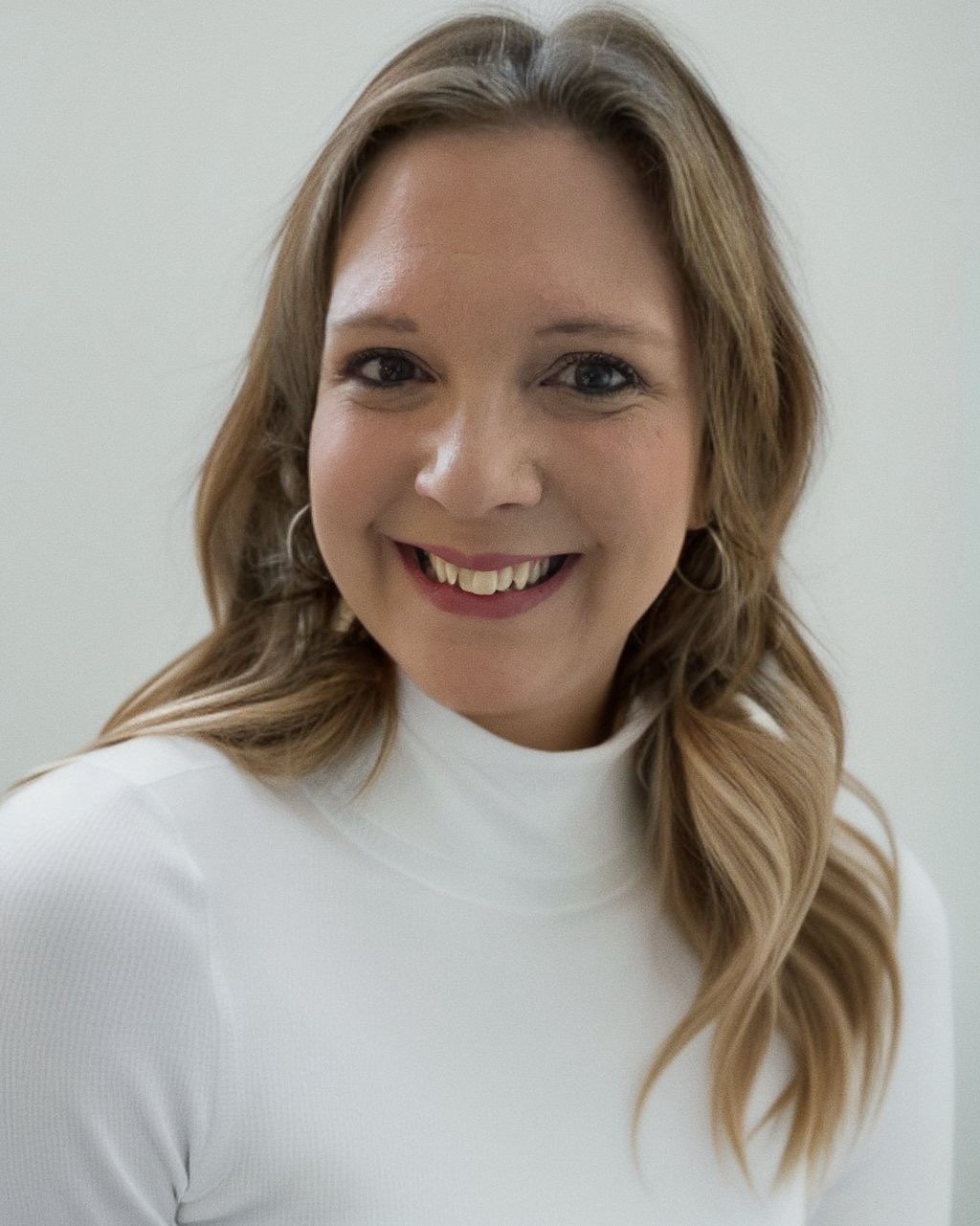
Hi, I’m Tara—mom of three, former teacher, and now full-time homeschooler. After years in both preschool and public school classrooms, I brought the learning home and never looked back. At Homeschool Happiness, I share real-life tips, simple activities, and encouragement to help you create a homeschool life that feels good for your family—one filled with connection, laughter, and meaningful moments. We’re in this together!