What Do 1st Graders Learn
What do 1st graders learn? If you’re a homeschool parent, you’ve probably asked yourself this a few times! First grade is such an exciting year — kids go from playful early learning to more structured lessons that help build their reading, writing, and math skills.
But don’t worry, homeschooling doesn’t have to look exactly like a traditional classroom. One of the best parts of homeschooling is the flexibility! You can adjust the pace to fit your child’s unique needs, whether they need a little extra time with something or they’re ready to zoom ahead.
So, welcome, homeschool parents! Let’s walk through what your first grader will be learning this year and how you can support them along the way.
In short, this post will give you a simple, friendly guide to what first graders learn — and how you can make it work for your family!
What Do 1st Graders Learn?
Let’s look at what your first grader will be learning this year! Knowing what to expect can help you plan fun, engaging lessons that build their confidence. Here’s a simple breakdown to guide you along the way.
Overview of 1st Grade Learning Goals
In first grade, kids build on the basics they learned in kindergarten. They work on becoming stronger readers, writers, and math thinkers. You’ll also start to introduce fun topics like science and social studies, helping them explore the world around them.
This is also an important year for social-emotional growth—they’re learning to solve problems, think critically, and become more independent in their work. It’s a big step, but they’ll do great with your support!



First Grade Reading and Language Arts
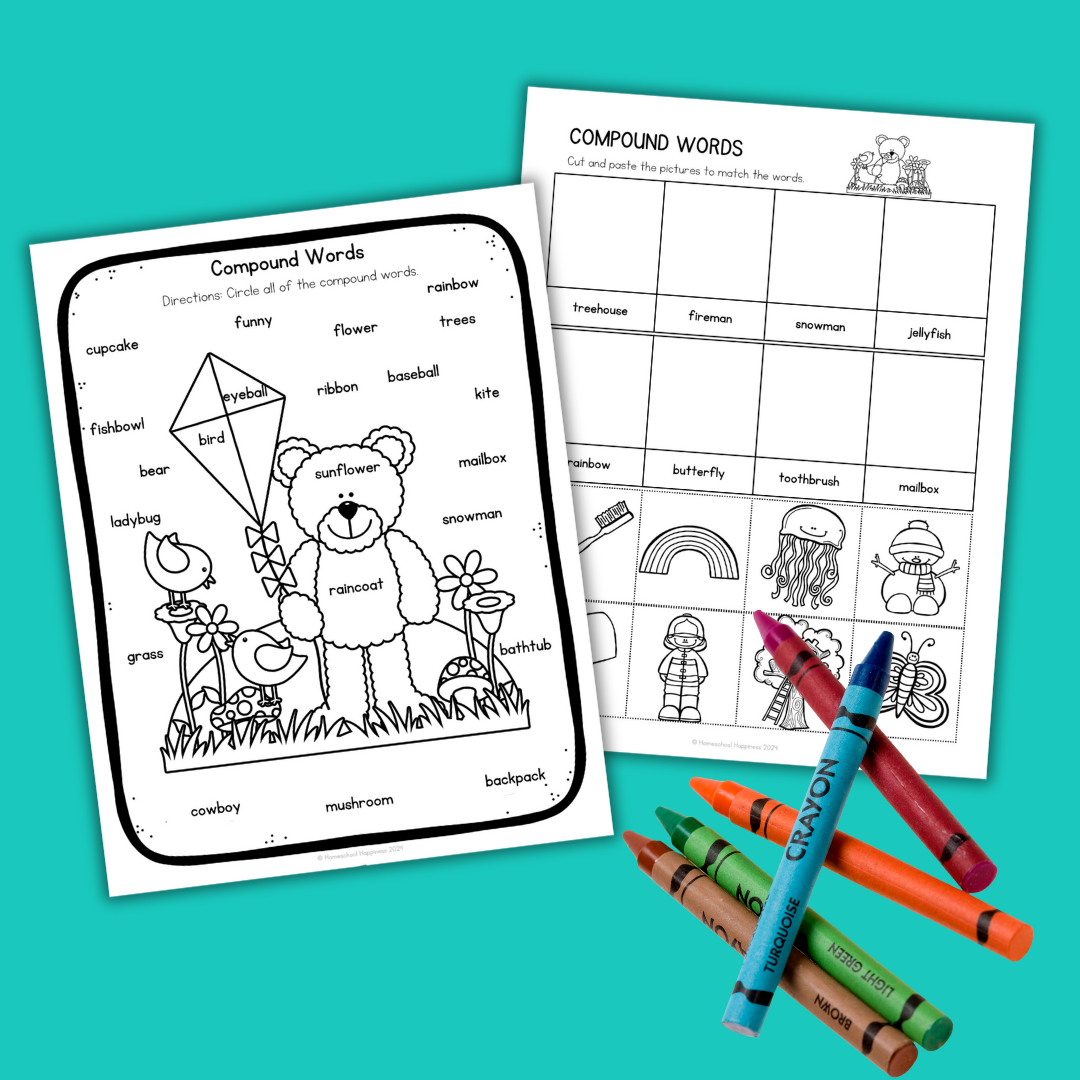
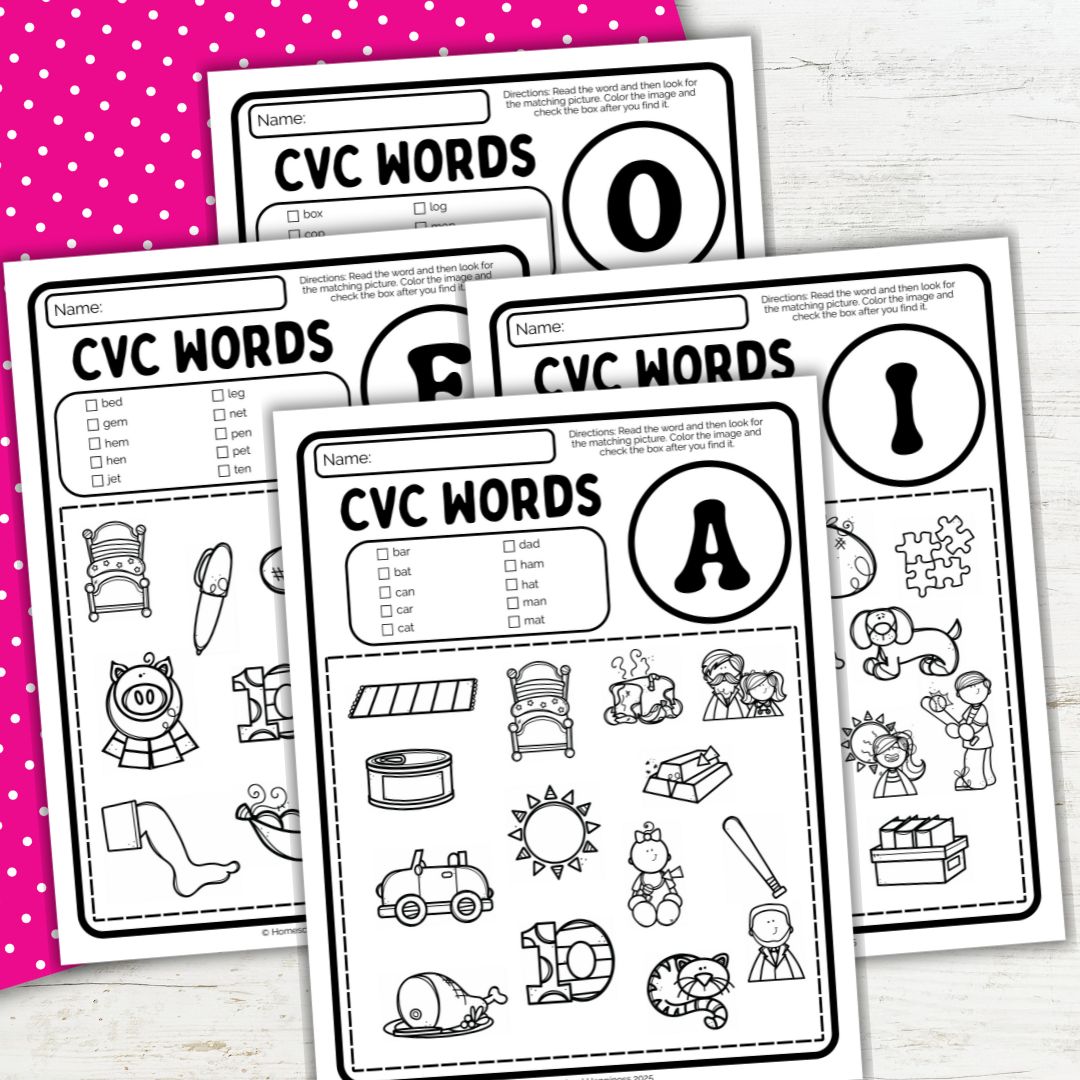
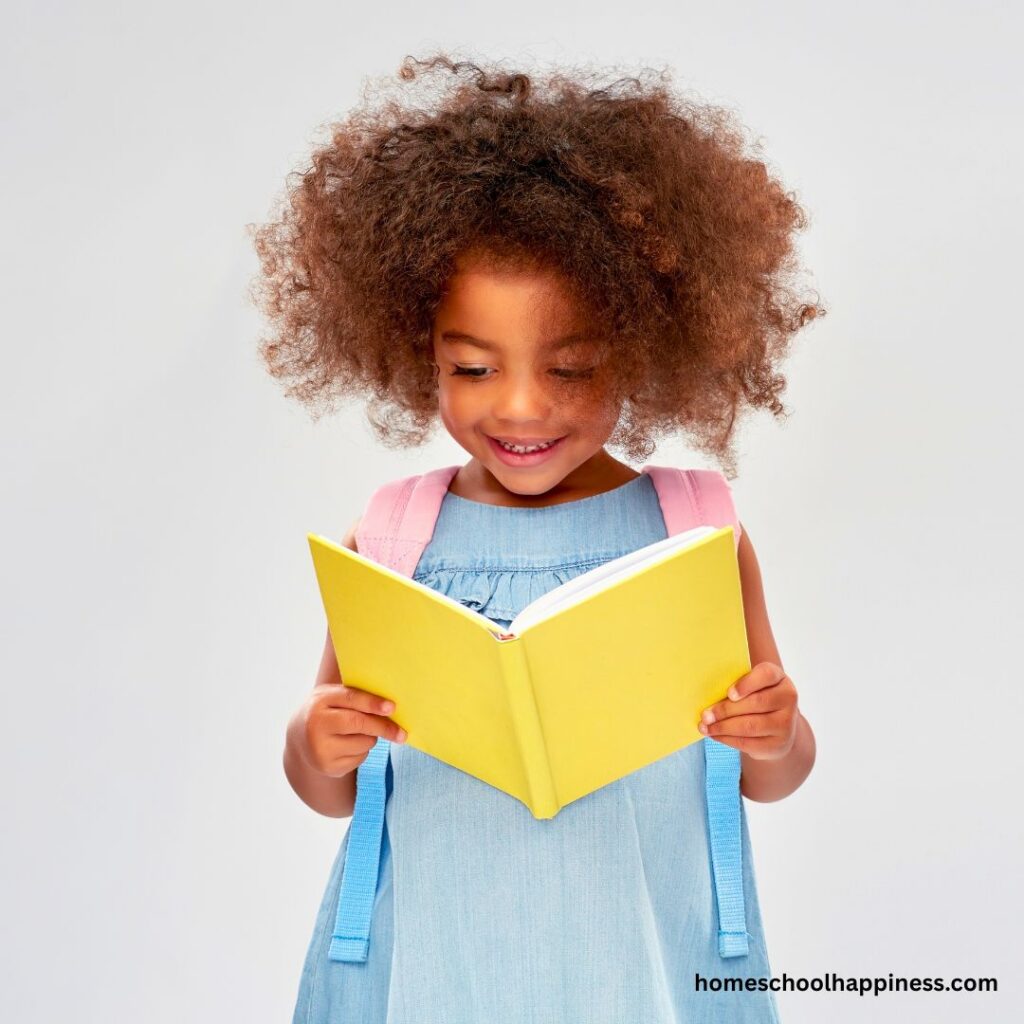
In first grade, reading and language arts take center stage! Your child will keep working on phonics, learning how to sound out words and tackle trickier spelling patterns. They’ll practice reading with fluency — which just means reading smoothly and with expression — and they’ll start understanding what they read by talking about the main idea, retelling stories, and answering simple who, what, where, when, and why questions.
Their vocabulary will grow as they explore new books and stories, and you’ll see them start to use bigger, more interesting words when they talk and write. Writing also becomes more exciting this year! They’ll practice writing simple sentences and even try their hand at short paragraphs. Plus, they’ll get introduced to basic grammar — things like nouns, verbs, adjectives, and using capital letters and punctuation. It’s all about building strong, confident readers and writers!
Don’t miss this 1st grade summer reading list!
First Grade Math Skills
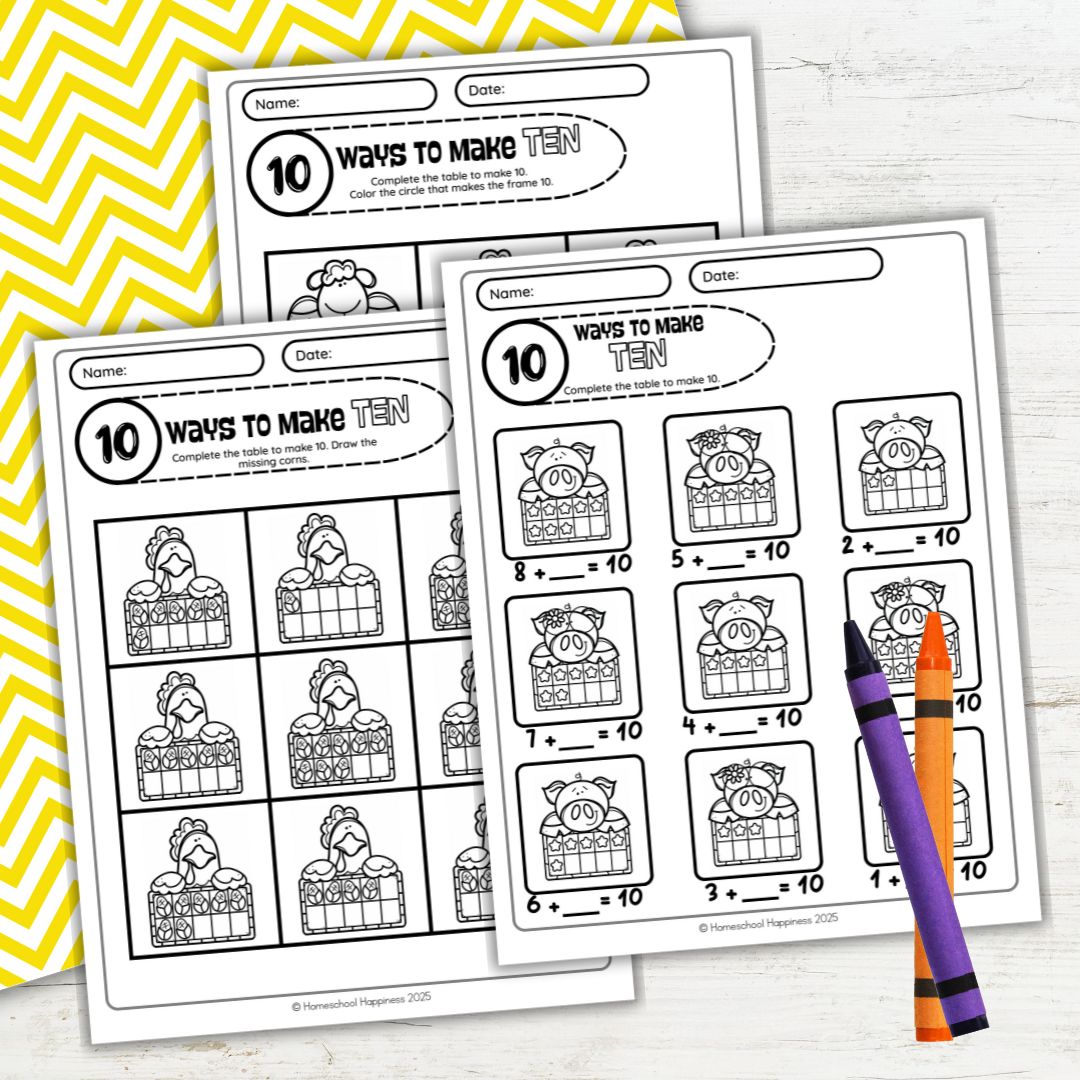
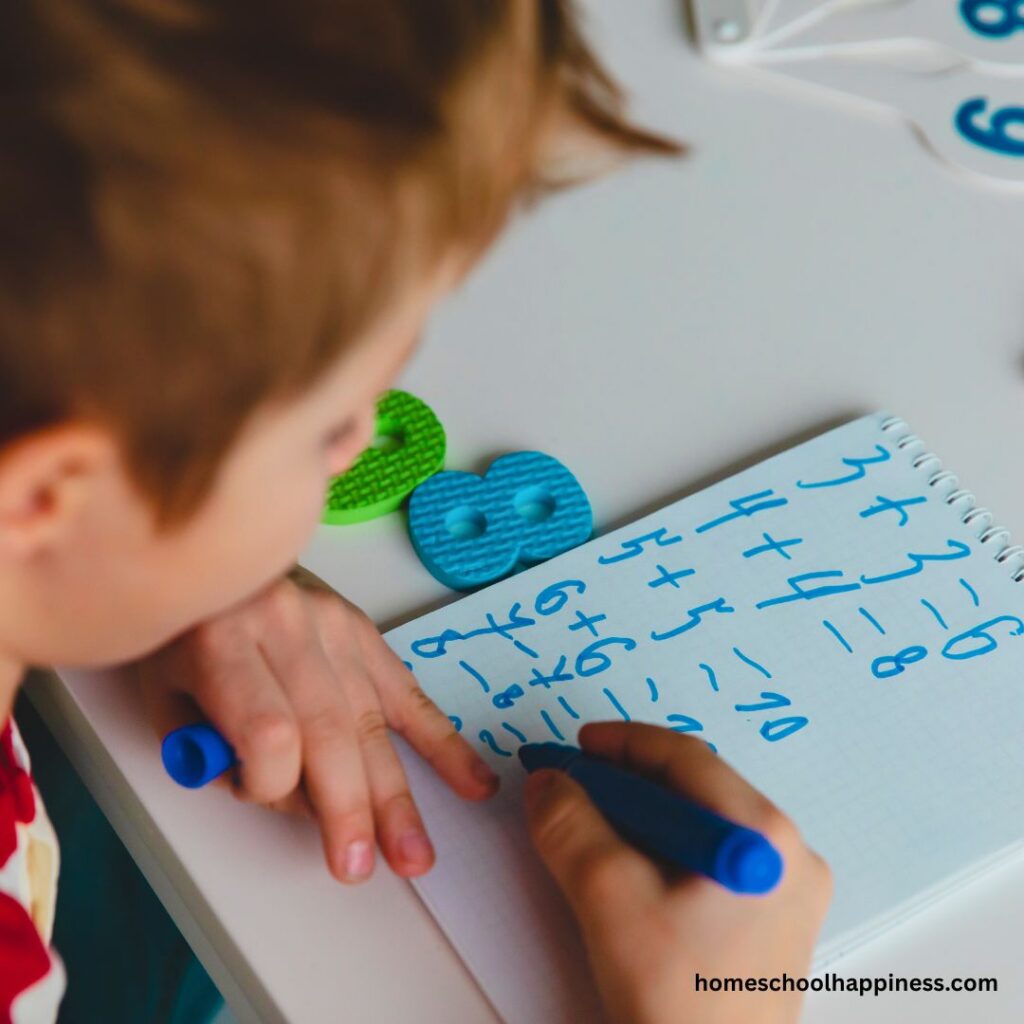
First-grade math is all about building number confidence! Your child will practice addition and subtraction facts up to 20 and, as they’re ready, work up to numbers within 100. They’ll also explore place value — understanding how ones, tens, and hundreds work together to make bigger numbers.
You’ll see them solving simple word problems, which helps them apply math to everyday situations. This is also the year they’ll start learning to tell time on an analog clock and recognize coins and bills to practice basic money skills. They’ll explore measurement by comparing length, weight, and capacity, and they’ll get introduced to shapes and even simple fractions like halves and quarters. It’s a fun year for math, with lots of hands-on learning!
You’ll love our addition worksheets for first grade!
First Grade Science Topics
First grade science is all about sparking curiosity! Your child will explore the world around them by learning about nature and the changing seasons. They’ll dive into topics like animals, plants, and life cycles — discovering how living things grow and change.
They’ll also get a gentle introduction to Earth science by learning about weather patterns and landforms like mountains, rivers, and oceans. Simple hands-on experiments will help them practice making observations and asking good questions. The goal here isn’t just facts — it’s about helping them stay curious, explore, and have fun while learning!
First Grade Social Studies Topics
In first grade social studies, kids start learning about the world they live in — starting right at home! They’ll talk about family, community helpers, and local history to understand how people work and live together.
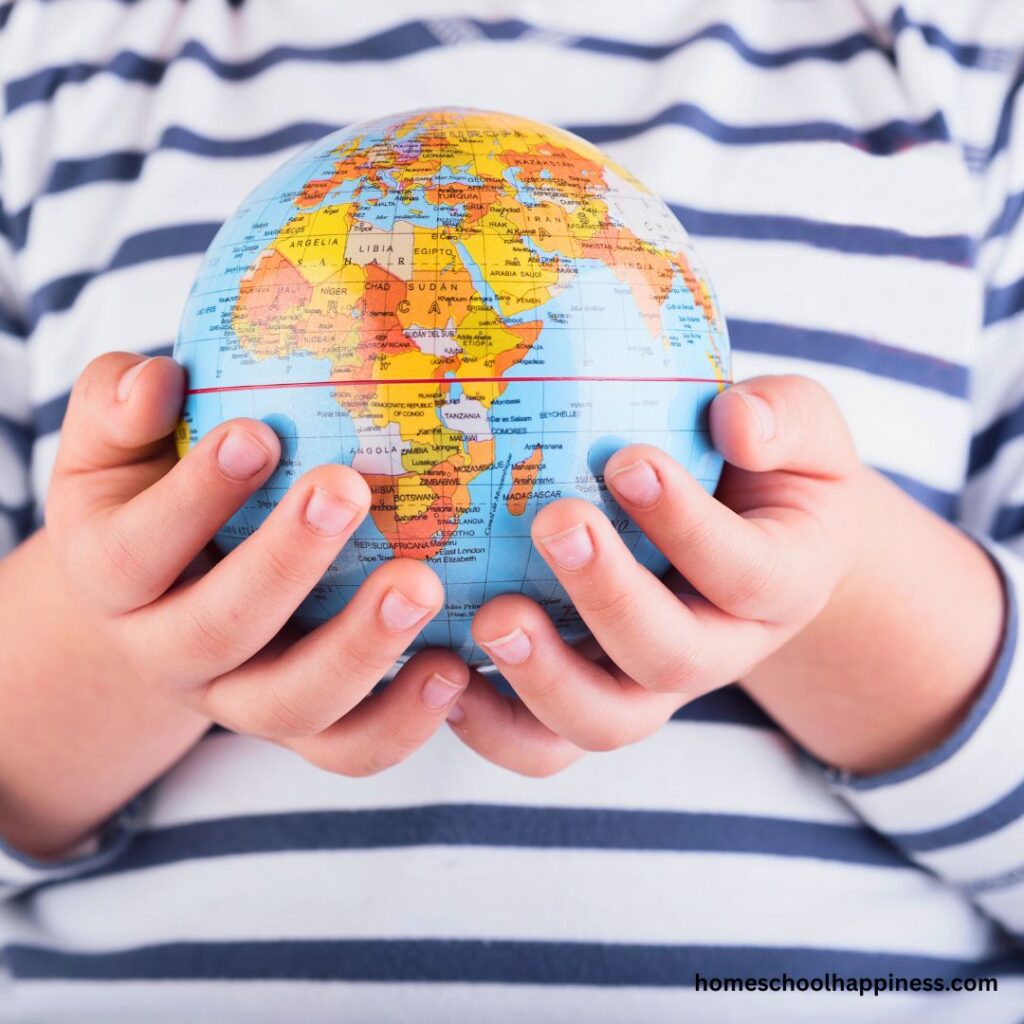
You’ll introduce them to basic geography, like reading simple maps and learning the names of continents and oceans. They’ll also explore national symbols, important holidays, and famous leaders to begin understanding what makes a country special. On top of that, they’ll learn simple ideas like needs vs. wants and goods vs. services — all helping them connect learning to everyday life!
First Grade Enrichment
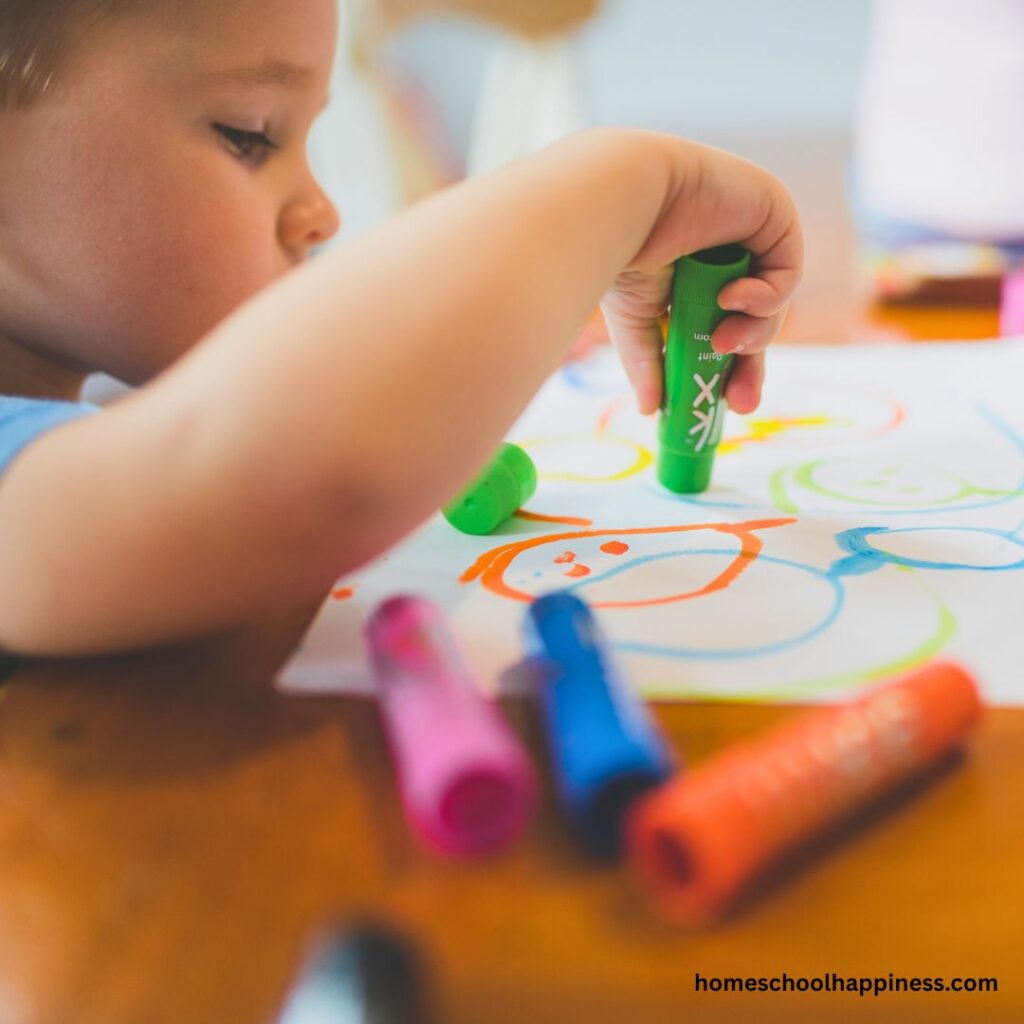
First grade isn’t just about reading and math — it’s also a time for creativity and movement! Your child will have plenty of chances to express themselves through drawing, painting, and crafting, using art to explore their imagination.
They’ll also enjoy music by listening to songs, clapping along to rhythms, and maybe even trying out simple instruments like maracas or tambourines. And of course, physical activity is so important! Whether running, jumping, or playing fun games, moving their bodies helps them stay healthy and happy. It’s all part of a well-rounded homeschool day!
Life Skills & Social-Emotional Growth
First grade is a big year for growth, not just academically but emotionally, too! Your child will start building independence by following simple routines and handling small tasks independently, like organizing their schoolwork or cleaning up after an activity.
They’ll practice important social skills like kindness, patience, and working cooperatively with others (even if it’s just siblings or friends at home). Plus, they’ll keep learning to follow directions and manage their emotions, helping them confidently navigate schoolwork and everyday challenges. These life skills are just as important as reading and math!
Tips for Homeschool Parents
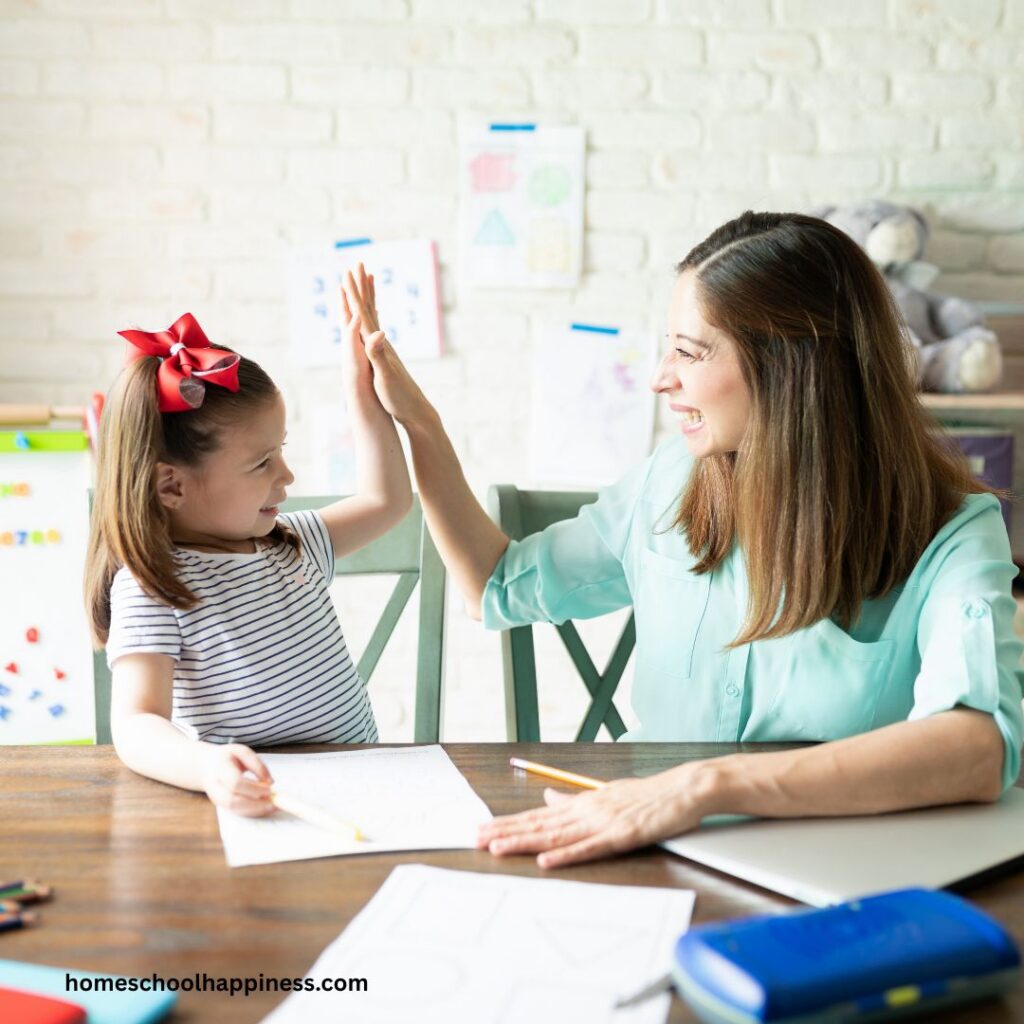
Here’s a little reminder for all you homeschool parents: Every child learns at their own pace, and that’s perfectly okay! Some first graders might race ahead in reading while others take more time — both are normal and wonderful.
Try to mix in plenty of hands-on activities, playful moments, and outdoor exploration to keep learning fun and engaging. A good homeschool day can include a little bit of everything: workbooks, read-aloud stories, educational games, and real-life experiences like cooking or nature walks.
Most importantly, focus on helping your child develop a love for learning — it’s not about just checking off boxes, but about making learning an exciting, joyful part of your everyday life!

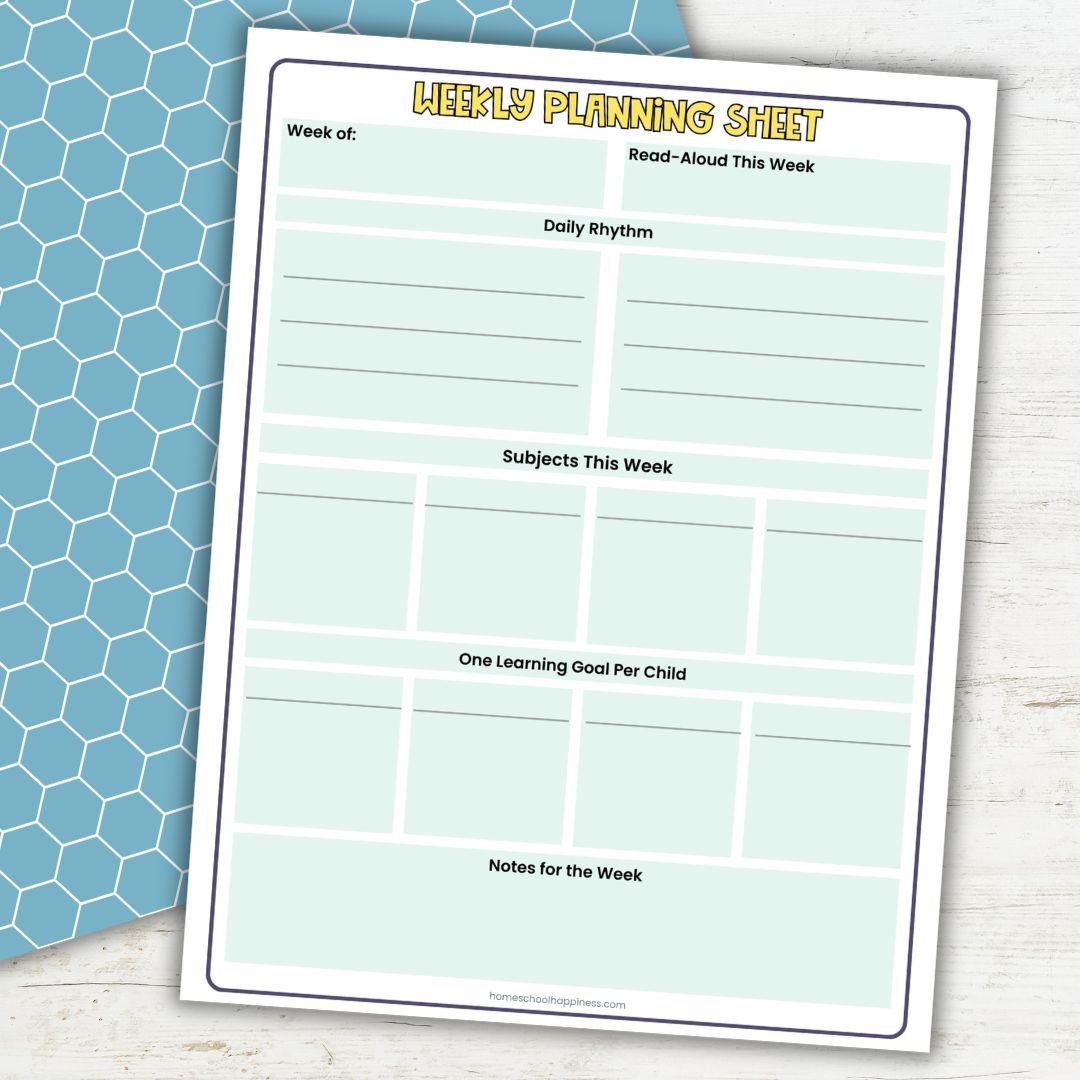
As you wrap up your planning, remember — you don’t need to recreate a traditional classroom at home. Homeschooling gives you the beautiful flexibility to tailor learning to your child’s needs, interests, and pace. There’s so much joy in watching your child grow and discover new things right alongside you!
You’re giving your first grader an incredible start, and that’s something to be proud of. Keep things simple, have fun, and trust that you’re doing a wonderful job.
Bonus for you! Download my free printable checklist for 1st-grade learning goals to help you stay organized and on track — you’ve got this!


Hi, I’m Tara—mom of three, former teacher, and now full-time homeschooler. After years in both preschool and public school classrooms, I brought the learning home and never looked back. At Homeschool Happiness, I share real-life tips, simple activities, and encouragement to help you create a homeschool life that feels good for your family—one filled with connection, laughter, and meaningful moments. We’re in this together!