Buoyancy Experiments for Kids

Buoyancy experiments for kids are a fun, low-prep way to bring science to life, especially in the summer months when water play is already part of the day!
If you’re looking for homeschool science experiments that are hands-on, engaging, and easy to set up, you’re in the right place. These simple activities are ones I’ve personally used with kids at home and in the classroom, and they never fail to spark curiosity and excitement.
So, what exactly is buoyancy? It’s the upward force that determines whether something sinks or floats. Summer is the perfect time to explore this concept—it’s warm, water is readily available, and kids are naturally drawn to splash and explore!
Each printable in this round-up offers a fun way to blend science, sensory play, and learning into one memorable activity.
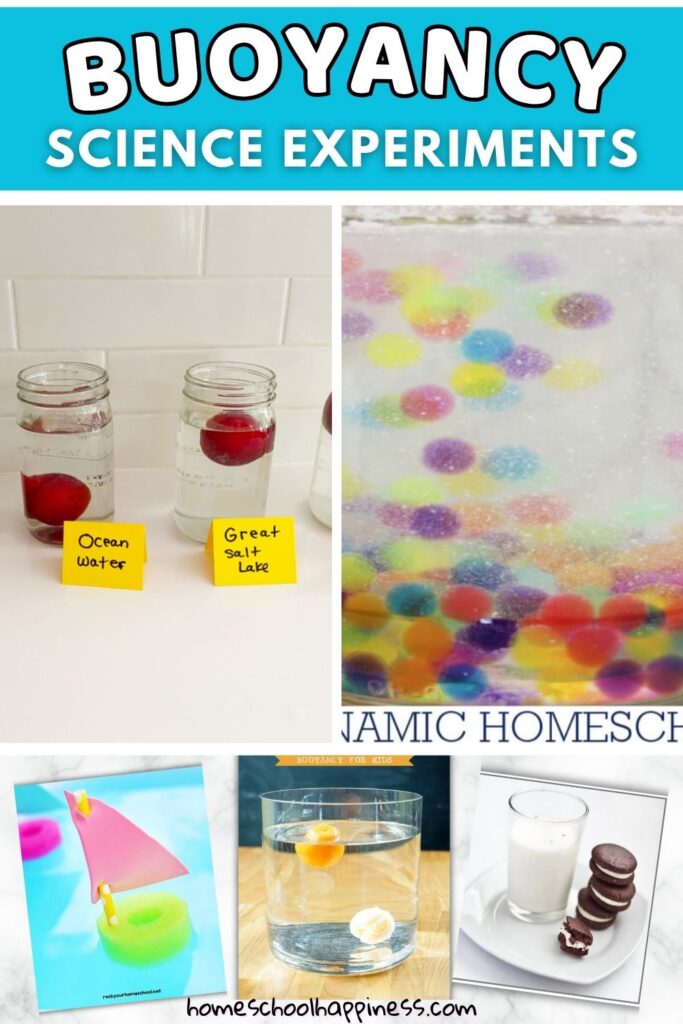
At a Glance: Buoyancy Experiments for Kids
Here’s what you’ll find in this round-up of fun, educational activities:
✅ Easy, low-prep experiments that use simple household items
💧 Hands-on ways to explore sinking, floating, and water resistance
🌞 Great for summer learning, water tables, and backyard science fun
What is Buoyancy?
Buoyancy is the force that makes things float—or not! When you drop something into water and it bobs to the surface, that’s buoyancy at work. If it sinks straight to the bottom, that tells us it’s not buoyant enough to stay afloat.
In simple terms, buoyancy is all about whether an object is lighter or heavier than the water it displaces. It’s a big concept, but kids naturally pick it up when they get to test and observe for themselves. They love making predictions and seeing what floats, what sinks, and why.
Hands-on buoyancy experiments help turn that natural curiosity into learning—and the best part is, you don’t need fancy materials to make it happen. Just grab a tub of water and a few objects, and let the exploration begin!

Buoyancy Science Experiments
Each of these buoyancy experiments combines fun with learning in a way that feels effortless. And if you’re short on prep time (who isn’t?), this round-up will save the day with ready-to-go ideas that make science simple, exciting, and memorable.
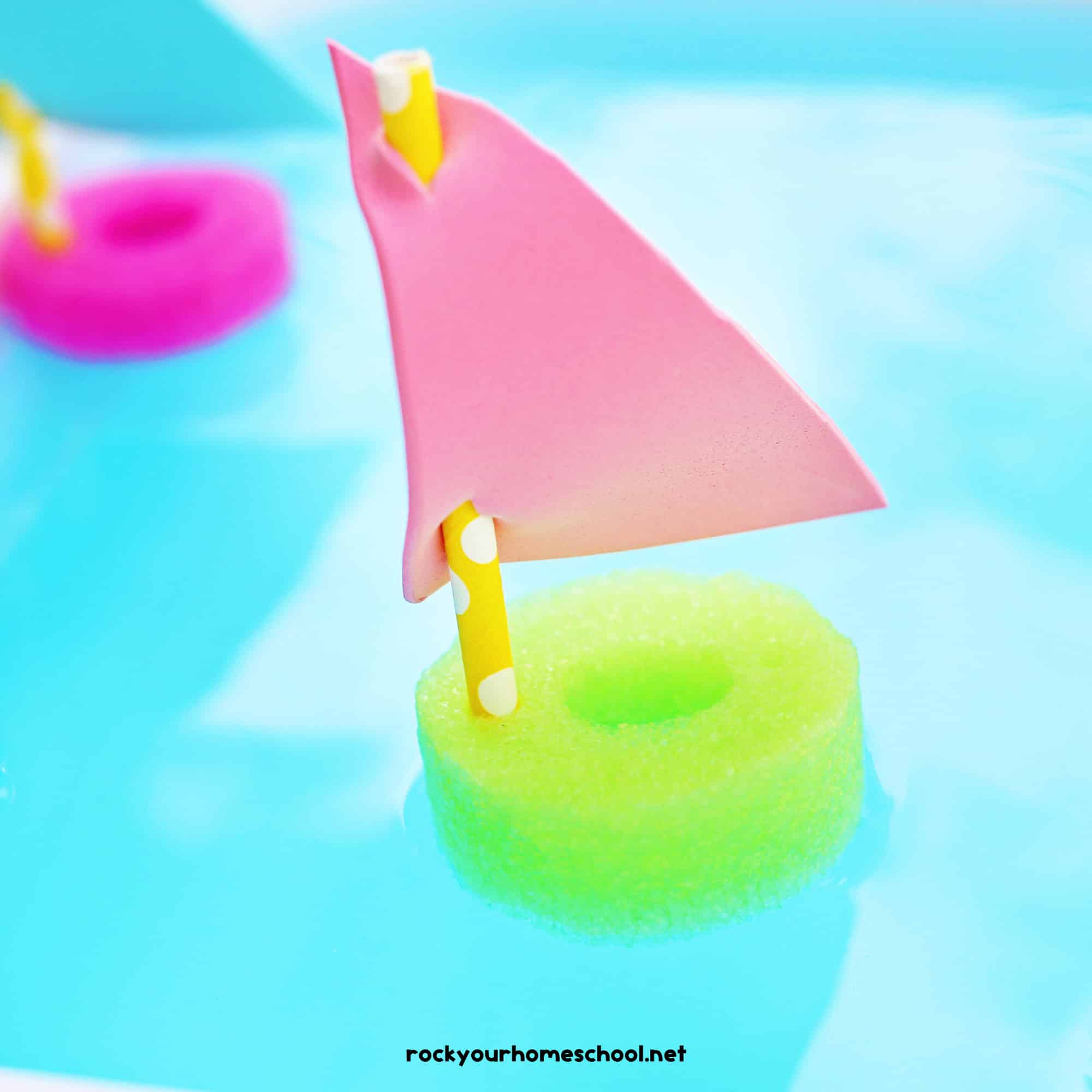
Pool Noodle Boats: STEM Fun
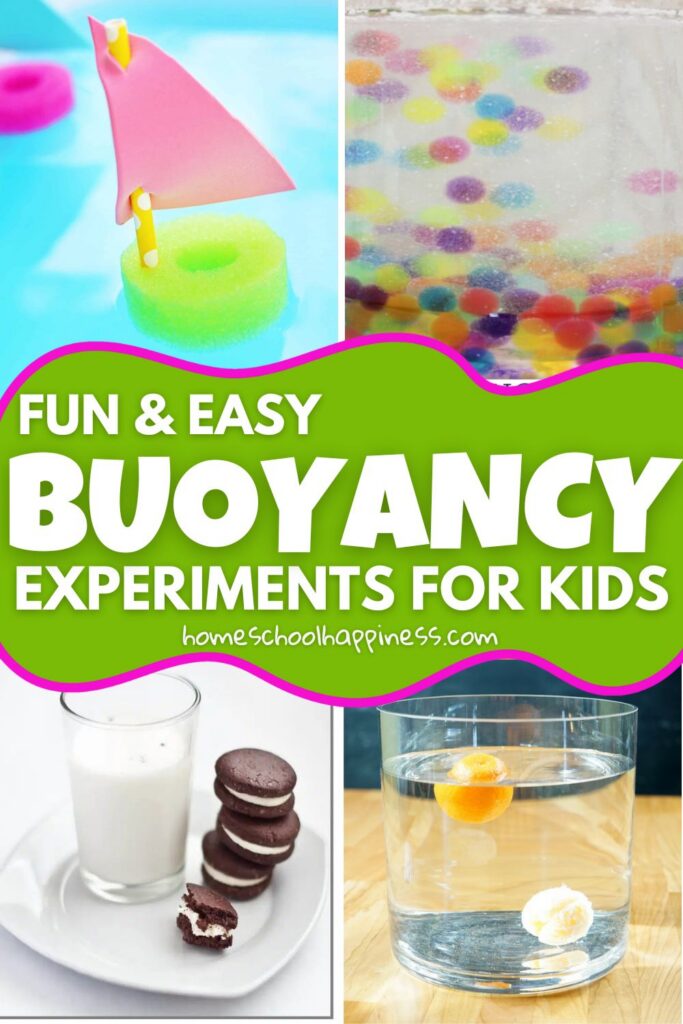
This creative activity from Rock Your Homeschool guides kids in crafting their own pool noodle boats using simple materials like foam sheets and paper straws.
It’s a hands-on way to explore buoyancy and basic engineering principles, allowing children to experiment with design and balance.
Perfect for summer fun, these DIY boats offer an engaging blend of science and play.
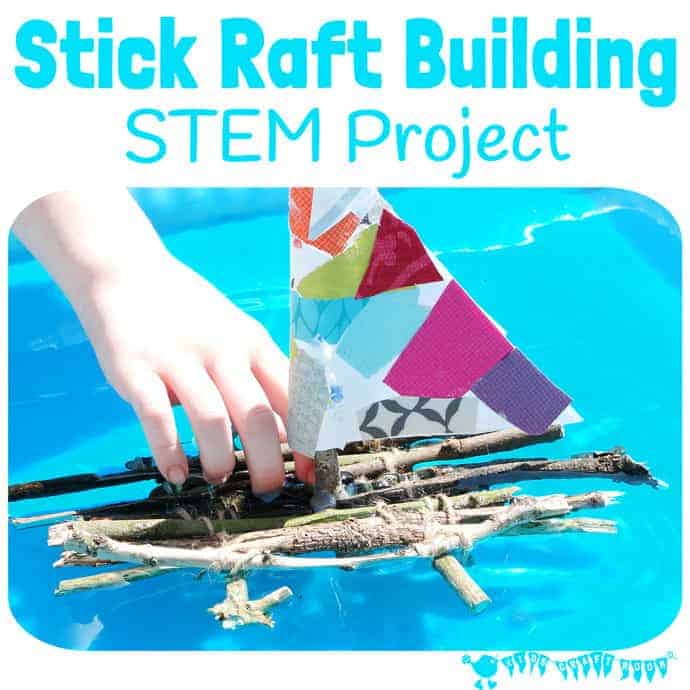
STICK RAFT BUILDING STEM CHALLENGE
This stick raft STEM project from Kids Craft Room encourages children to design, build, and test their own floating rafts using natural materials.
Through brainstorming, designing, and hands-on construction, kids explore buoyancy, stability, and problem-solving in a fun, outdoor setting. It’s a wonderful way to combine creativity with scientific inquiry.

Secrets Of Dancing Beads: A Sink Or Float Experiment
This colorful experiment from Tina’s Dynamic Homeschool Plus turns water beads into dancing spheres with the help of Alka-Seltzer tablets.
As the tablets dissolve, they create bubbles that lift and lower the beads, offering a fun and visual way to explore buoyancy and gas reactions.
It’s a delightful blend of sensory play and science that’s sure to captivate young learners.
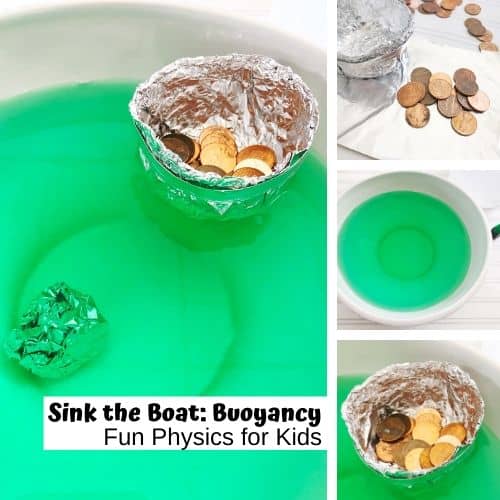
Penny Boat Challenge For STEM (Buoyancy)
This classic STEM activity from Little Bins for Little Hands invites kids to design and build tin foil boats, then test how many pennies each can hold before sinking.
It’s a hands-on way to explore buoyancy, balance, and basic engineering principles.
Kids love the challenge of improving their designs to hold more weight, making it a favorite for both home and classroom settings.

Milk & Cookies and the Scientific Method – Around the Kampfire
This delightful experiment from Around the Kampfire uses milk and cookies to teach the scientific method and explore buoyancy.
Students predict whether different cookies will sink or float, then test their hypotheses and record observations.
It’s a fun, edible way to introduce key science concepts and engage young learners in hands-on experimentation.

Sink or Float: Density of Salt Water
This salt water density experiment from Teach Beside Me lets kids explore how varying salinity levels affect buoyancy.
By creating saltwater solutions that mimic the ocean, the Great Salt Lake, and the Dead Sea, children can observe how objects float differently in each.
It’s a hands-on way to understand the relationship between salt content and buoyancy.

Shark Buoyancy – Animal Science Experiment
This shark buoyancy experiment from Forgetful Momma is a fun, hands-on way for kids to learn how sharks stay afloat.
By filling balloons with different substances like oil and water, children can observe how varying densities affect buoyancy, simulating the role of a shark’s oil-rich liver.
It’s a simple yet effective activity that combines science with a touch of creativity.
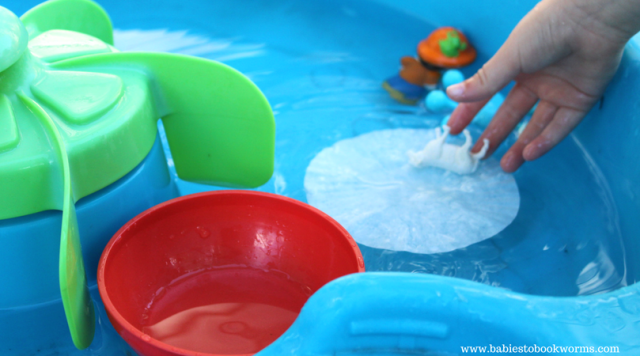
Brave Enough for Two | Children’s Book About Bravery
This buoyancy activity from Babies to Bookworms ties in beautifully with the story Brave Enough for Two.
Inspired by the characters’ river adventure, children test various toys and objects to see which can float like a boat.
It’s a delightful blend of storytelling and science, encouraging kids to explore buoyancy through imaginative play.
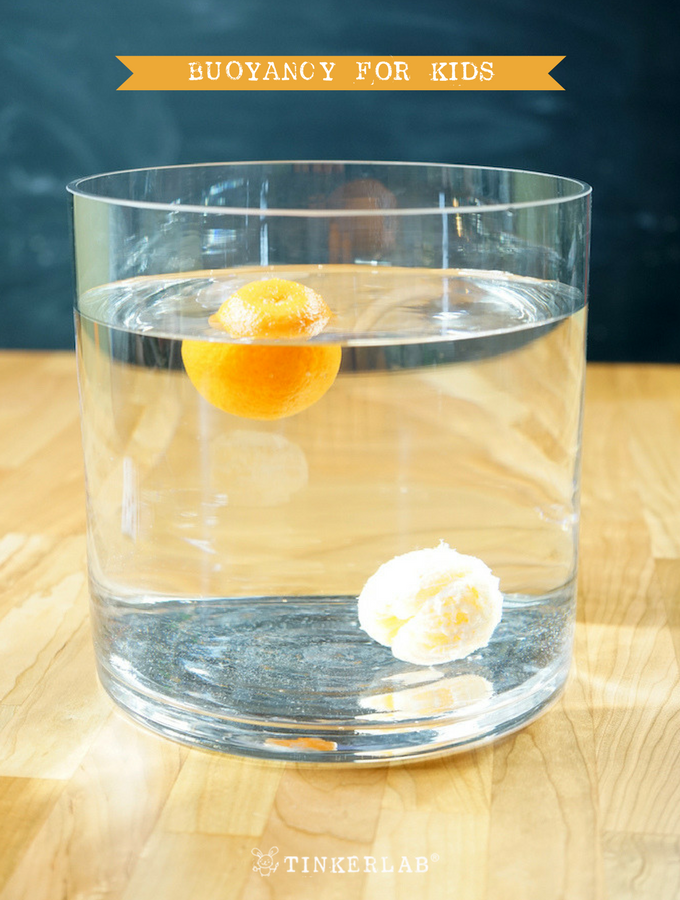
Buoyancy for Kids: Will it Sink or Float? – TinkerLab
This engaging experiment from TinkerLab invites kids to explore buoyancy by testing whether whole and peeled mandarins sink or float.
By comparing the two, children discover how the peel’s air pockets affect buoyancy, making it a fun and educational activity.

Buoyancy Explained: Making Objects Float on Water
This simple buoyancy activity from Small Step for STEM uses foam paper and a small rock to explore how displacement affects floating.
Kids test different foam sizes to see how surface area helps heavier objects stay afloat. It’s a hands-on way to show that shape and size matter just as much as weight when it comes to buoyancy.
Science Activities for Kids
Looking for even more ways to make science fun and hands-on? These kid-approved activities go beyond buoyancy to explore exciting topics like motion, chemistry, and the five senses. They’re perfect for curious minds and easy to add to your homeschool or classroom plans!
If you’re looking for low-prep ways to reinforce science concepts, printable worksheets are a great addition to hands-on experiments. These science worksheets help kids review what they’ve learned through coloring, labeling, matching, and simple writing activities.
- Snail Worksheets for Kids
- Human Body Systems Coloring Pages
- Circulatory System Coloring Sheet
- All About Chickens Science Worksheets
- Human Body Coloring Pages for Kindergarten
FAQs About Buoyancy Experiments
I hope this collection of buoyancy experiments for kids gave you plenty of fun, hands-on ideas to try at home or in your classroom. These activities don’t just teach science—they spark curiosity, build confidence, and create those lightbulb moments we all love to see.
Whether you’re exploring with one child or a whole group, remember: it doesn’t have to be perfect to be powerful. A tub of water and a few everyday items can lead to some of the best learning of the day. Happy experimenting—and enjoy making a splash with science!

Hi, I’m Tara—mom of three, former teacher, and now full-time homeschooler. After years in both preschool and public school classrooms, I brought the learning home and never looked back. At Homeschool Happiness, I share real-life tips, simple activities, and encouragement to help you create a homeschool life that feels good for your family—one filled with connection, laughter, and meaningful moments. We’re in this together!