Sunflower Life Cycle Worksheets
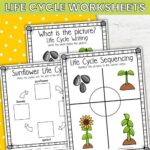
If you’re looking for a simple way to teach plant science, these sunflower life cycle worksheets are a great place to start. They’re perfect for homeschooled families and make an excellent addition to your homeschool science worksheets collection. With just a few pages, you can walk your kids through each stage of a sunflower’s growth—seed, sprout, seedling, and full-grown flower.
It’s hands-on, visual, and easy to understand, which makes it ideal for younger learners. You can print the pages, cut, paste, color, or turn them into mini-books. Whether you’re doing a whole plant unit or want a quick, fun activity to fill part of your week, this printable can help.
It’s simple, it’s fun, and it teaches something. You don’t need fancy supplies—print and go.
These sunflower worksheets are easy to use and a great way to add science to your homeschool day.

Sunflower Life Cycle Worksheets
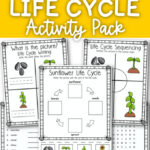
These sunflower science printables give young learners a fun and hands-on way to explore how plants grow. As kids cut, color, and label each part of the sunflower life cycle, they will practice fine motor skills, sequencing, early reading, and basic science concepts. Designed with homeschooled families and early elementary students in mind, these pages help make science feel exciting and easy to understand.
Here’s what’s included in the set:
- A full-color life cycle chart for reference or display
- A black-and-white version kids can color
- Cut-and-paste sequencing activity
- Life cycle labeling worksheet
- Mini book template to reinforce vocabulary and order of stages
This printable pack turns a simple science lesson into an enjoyable, hands-on learning experience.
With engaging visuals and kid-friendly instructions, it’s a great mix of fun and learning that fits perfectly into any homeschool routine.

What can kids learn from this activity?
Kids can learn a lot from working with these sunflower-themed worksheets. They’ll discover the basic stages of plant growth—from seed to full-grown sunflower. Along the way, they’ll practice sequencing events in order, which is a key early reading and thinking skill.
By labeling the parts of the plant and identifying each stage, they also build vocabulary and begin to understand how living things grow and change. The cutting and gluing parts of the activity help strengthen fine motor skills, which are essential for writing.
And because it’s interactive, kids stay more engaged and are more likely to remember what they’ve learned. It’s a great way to blend science, reading, and early writing skills into one activity.

What Are the Benefits of Learning About Life Cycles?
Learning about life cycles helps kids understand how living things grow and change. It builds a strong scientific foundation by showing that all plants and animals undergo stages. This learning also supports observation skills as children start noticing natural patterns.
It encourages curiosity about the world around them and helps them ask thoughtful questions. Life cycle lessons also teach responsibility and care, especially when growing real plants or observing insects.
It’s an excellent way for young learners to connect hands-on experiences with what they see in books or worksheets. Overall, it’s an easy and meaningful way to bring science to life.
Teaching Sequencing with Science Activities
These sunflower life cycle activity pages are a great way to practice sequencing skills naturally and meaningfully. Kids get to put the stages of a sunflower’s growth in order, helping them understand how events happen step-by-step.
This ordering practice is essential for reading comprehension and logical thinking. Because it’s tied to a real science topic, it makes sequencing feel more like a fun challenge than just another worksheet.

Sunflower Ideas for Kids
If you want to add even more fun to your sunflower lesson, there are plenty of simple ways to build on these life cycle printables. From crafts and hands-on activities to books and worksheets, you can create a well-rounded science unit that’s both fun and educational. Below are some easy ideas to help you extend the learning and keep your kids engaged.
Sunflower Books for Kids
Sunflowers are bright, cheerful, and full of wonder—just like young children! Whether exploring the natural world, learning about growth and seasons, or simply enjoying a sunny day, sunflower-themed books offer a lovely way to connect with nature.
These stories blend beauty and curiosity, making them perfect for preschool classrooms, garden units, or cozy storytimes at home.
![Sunflower House[SUNFLOWER HOUSE][Paperback]](https://easyproductdisplays.com/wp-content/uploads/2014/09/41.png)
![Sunflower House[SUNFLOWER HOUSE][Paperback]](https://m.media-amazon.com/images/I/51VNA9sa1aL._SL500_.jpg)


Sunflower House by Eve Bunting is a joyful tale about a boy who plants sunflower seeds and watches them grow into a circle of golden blooms. The sunflowers become a magical hideout for him and his friends all summer, but as the seasons change, he must say goodbye to them—until next year. The story gently introduces the life cycle of plants and the passage of time playfully and tenderly.
Zinnia and the Bees by Danielle Davis isn’t strictly about sunflowers, but the story incorporates gardening and the importance of pollinators, which naturally connect to sunflowers. In this quirky tale, a young girl finds herself unexpectedly housing a colony of bees in her hair, leading to a summer full of discovery and unexpected friendships. While geared slightly older, parts of it can be shared with younger listeners, especially when talking about flowers and bees.
The Sunflower Parable by Liz Curtis Higgs is a sweet, faith-based story about a young boy named Logan who wants to grow something amazing. As he plants sunflower seeds and watches them stretch toward the sky, he learns that actual growth happens when we look up and reach out. Through gentle storytelling and vibrant illustrations, this book connects gardening with kindness and hope.
Sunflower Crafts for Kids
Crafts are a fun way to bring your sunflower lesson to life, allowing kids to be creative while learning. These projects are easy to set up and use materials you probably already have at home. Some favorite sunflower crafts pair perfectly with the life cycle activity.
- Sunflower Paper Plate Craft
- Kids Crafts: Sunflower Thank You Cards
- Sunflower Name and Fingerprint Craft
- Sunflower Craft – Coffee Cups and Crayons
- Crumpled Paper Sunflower Craft


Sunflower Printables for Kids
If your kids enjoyed the sunflower science printables, they’ll love these additional resources. These printables offer more ways to explore plants, seasons, and nature through coloring, labeling, and hands-on learning. Look at these fun and educational pages that are great for homeschooling or classroom use.
- Van Gogh Sunflowers Printable Art Activity
- Sunflower Life Cycle Activity
- Life Cycle of a Sunflower
- Sunflower Life Cycle Counting Mats
- Sunflower Life Cycle Mini Folding Coloring Book
FAQ About Sunflower Life Cycle Worksheets
This activity is great for kids in preschool through early elementary—around ages 4 to 8. The worksheets are simple enough for younger learners but allow older kids to practice science vocabulary and sequencing. You can constantly adjust how much support you give based on your child’s age and ability.
Not at all! These sunflower pages work well as a stand-alone activity. Of course, you can build a complete unit around them if you want to, but they also work great on their own as a fun, hands-on lesson about plants.
Yes! The nice thing about printables is that you can make copies for all your kids or students. It’s a great way to do a group lesson and let each child work independently.

Learning about the sunflower life cycle is a fun and simple way to teach science at home, and these printables make it even easier. Kids explore the growth of plants while practicing essential skills such as sequencing, labeling, and fine motor skills. Whether planning a complete plant unit or just adding a quick activity to your homeschool week, this resource fits right in.
With its colorful pages, easy-to-follow directions, and a blend of learning and creativity, this pack provides both structure and flexibility. It’s a great way to bring science to life for young learners in an engaging and age-appropriate way.


Hi, I’m Tara—mom of three, former teacher, and now full-time homeschooler. After years in both preschool and public school classrooms, I brought the learning home and never looked back. At Homeschool Happiness, I share real-life tips, simple activities, and encouragement to help you create a homeschool life that feels good for your family—one filled with connection, laughter, and meaningful moments. We’re in this together!