Christmas Writing Ideas
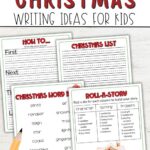
If you’ve been hunting for simple Christmas writing ideas that actually fit your real-life homeschool rhythm, you’re in the right place. December gets busy quickly, and I know it can feel challenging to keep lessons meaningful without adding more work.
That’s why I love using seasonal prompts and free homeschool printables during this time of year. They make writing feel fun, doable, and connected to everything your family is already enjoying about the season.
Writing in December doesn’t need to be perfect or polished. Kids naturally want to talk about Santa, snow, cookies, presents, and all the cozy traditions happening around them. When we lean into that excitement, even reluctant writers start to open up.
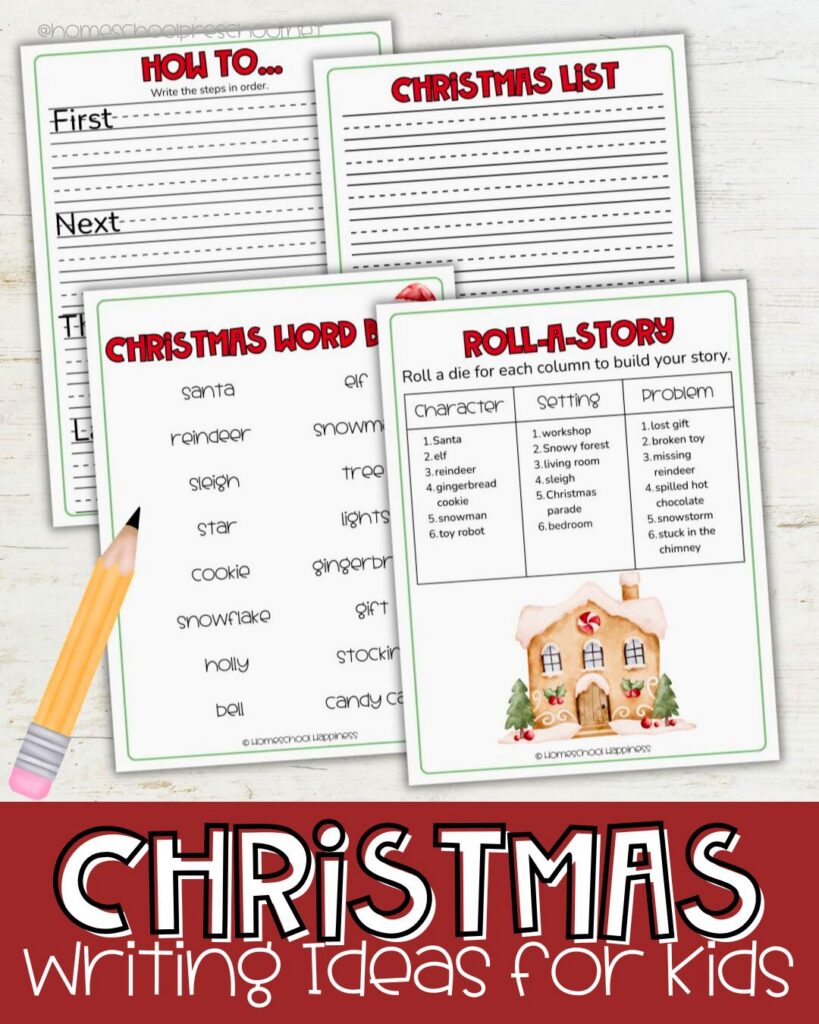
These Christmas-themed prompts help you keep learning gently while still building skills. They’re easy to use with your morning basket, your read-alouds, or those shorter homeschool days when you just need something meaningful and low-pressure.
Let’s make holiday writing feel simple, sweet, and steady. Your kids are going to love this.
Christmas Writing Ideas
These Christmas writing prompts are flexible enough to fit into any homeschool routine, whether you’re keeping things light or leaning into a complete unit study.
Each prompt provides kids with something fun to write about while still developing the skills they need. Pick one or two to incorporate into your week and enjoy the cozy, creative atmosphere that follows.
1. Christmas Story Starters
Story starters are such a fun way to help K–2 kids stretch their imaginations without feeling stuck on the first sentence. They work beautifully during morning basket, quiet writing time, or as a creative break on lighter December homeschool days. These prompts encourage full sentences and simple narratives kids can actually finish.
Examples:
• I heard a noise on Christmas Eve and when I looked outside…
• The elves were getting ready for Christmas when something surprising happened.
• My gingerbread cookie came to life and said…
• Santa asked me to help him fix the sleigh. I…
• The snowman outside my window had a secret.
Encourage kids to add a beginning, middle, and end. It doesn’t need to be fancy. Even a few sentences show meaningful growth.
2. Roll-a-Story Christmas Edition
Roll-a-Story games are always a hit in K–2 because they turn writing into play. This activity works well for independent work time, a co-op station, or a fun end-of-day writing challenge.
All you need is a die and three simple columns: Character, Setting, and Problem. Kids roll to choose each part, then turn their results into a story.
Examples:
Characters: Santa, Elf, Reindeer, Gingerbread Cookie, Snowman, Toy Robot
Settings: Workshop, Snowy Forest, Living Room, Sleigh, Christmas Parade
Problems: Lost gift, Broken toy, Missing reindeer, Spilled hot cocoa, Snowstorm
It’s silly, creative, and a sneaky way to build writing stamina without kids even noticing.

3. Christmas How-To Writing
Kids this age love giving directions, so how-to writing is a natural fit during the month of December. It’s a simple way to practice clear sentences and sequencing without turning writing into a chore. This type of prompt works well during morning journaling or as a quick activity before you shift into crafts or baking.
Ideas:
• How to wrap a present
• How to build a snowman
• How to decorate a Christmas cookie
• How to make hot cocoa
• How to help your family get ready for Christmas
Encourage sequencing words like first, next, then, and last. Even a short set of steps helps kids organize their thoughts and feel proud of their writing.

4. Christmas Opinion Writing
Easy, high-engagement questions:
Prompts:
- What is the best Christmas treat?
- Which Christmas movie is the best and why?
- Would you rather decorate the tree or bake cookies?
- Which Christmas tradition is the most fun?
- Which gift would make the best surprise?
Kids can give reasons with “because.”
5. Descriptive Writing with Christmas Objects
Descriptive writing is a great way to help K–2 kids stretch their vocabulary and notice little details. Choose a holiday item from around your home and let your child describe it with as many adjectives as they can. This works beautifully as a quick notebook activity or alongside a Christmas themed science or art project.
Objects to try:
• Candy cane
• Gingerbread house
• Snow globe
• Ornament
• Hot cocoa mug
You can add a sensory angle by asking what the item looks like, smells like, sounds like, feels like, or tastes like. A few thoughtful words go a long way in building confident young writers.
6. Christmas Letter Writing
Letter writing is a favorite in K–2 because it feels personal and purposeful. December is the perfect time to practice friendly letter format in a way that feels natural, not formal or stiff. You can use this during morning basket, as a quiet writing activity, or even as part of a Christmas themed unit study.
Try one of these versions:
• Letter to Santa
• Thank you letter for a gift
• Letter to a friend or cousin
• Letter from the point of view of an elf or reindeer
Kids get to practice greetings, sentences, and closing lines while writing something meaningful. It’s simple, sweet, and a skill they’ll use all year long.
7. Christmas Poetry
Poetry is a gentle way to help K–2 kids play with language without worrying about long sentences or perfect spelling. Simple forms work beautifully at this age and fit nicely into a cozy December homeschool rhythm. You can use these during morning basket, after a read aloud, or as a calming activity on busy holiday weeks.
Options:
• Acrostics
• Five Senses Poems
• List Poems
• Fill in the blank poems
Examples:
S for snowflakes
A for animals in the snow
N for nighttime lights
T for tree decorated with stars
A for all the happy faces
Or try a senses poem:
Christmas smells like…
Christmas looks like…
Christmas sounds like…
Poetry keeps writing short, creative, and confidence boosting, which is exactly what kids need this time of year.
8. Christmas Lists
List writing is fantastic for reluctant writers because it feels quick, doable, and low pressure. It’s an easy activity to tuck into your homeschool rhythm on busy December days, and you can create lists from real life moments around your home.
Ideas:
• Gift wishlist (non toy options encouraged)
• Christmas cookie shopping list
• List of decorations around the house
• List of people to appreciate this season
• List of things you love about winter
Lists help kids practice spelling, vocabulary, and idea organization without the weight of full sentences. It’s simple, meaningful writing they can finish with confidence.

9. Christmas Writing Center Add Ons
If you like having a little basket of writing tools ready to go, a Christmas themed writing center can make December feel extra fun. This doesn’t need to be fancy or formal. A few simple materials give kids choices and spark creativity during independent work time or quiet mornings at home.
Try adding:
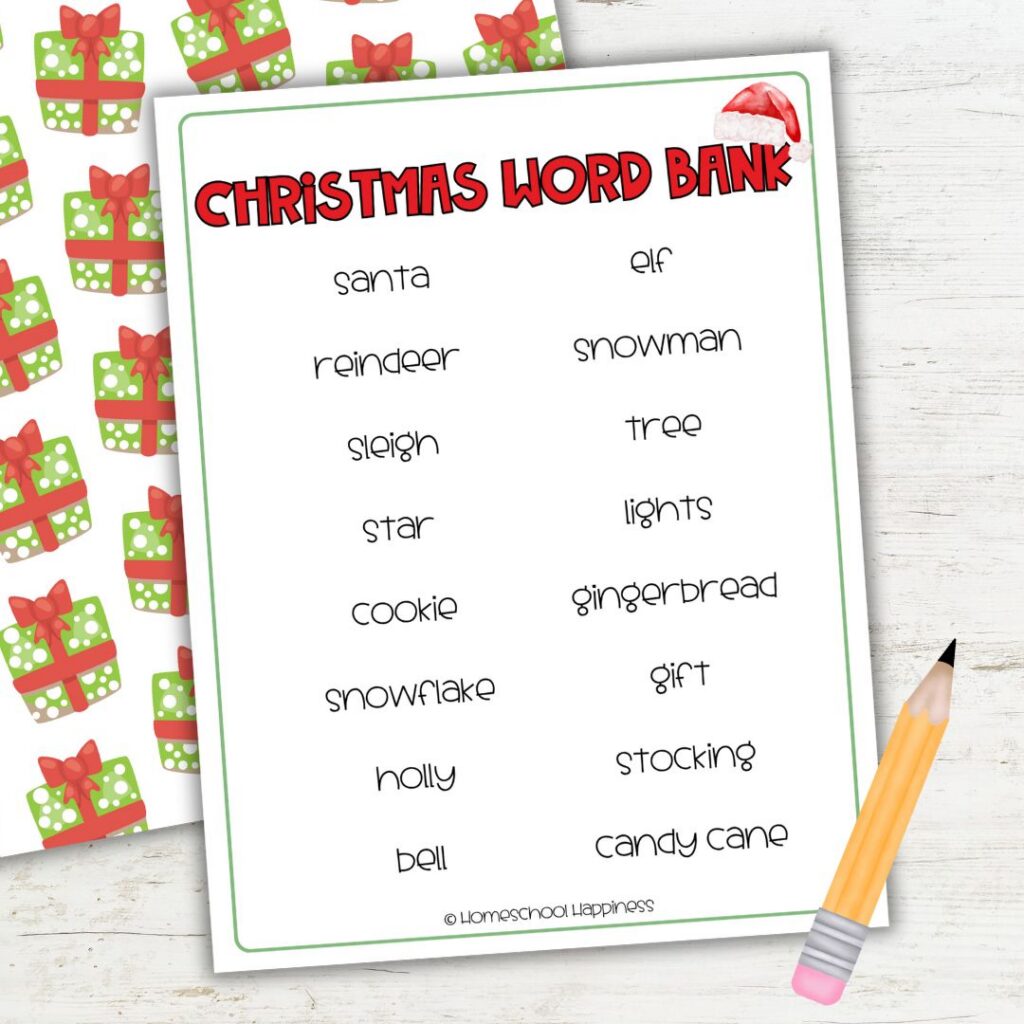
• Word cards
• Mini prompts
• Picture cards
• Story cubes
• Letter paper
• Graphic organizers
• Sticker sheets for story decorating
Keep everything low prep and flexible so kids can grab what inspires them. A tiny bit of variety goes a long way in encouraging them to write more on their own.

December is such a sweet time to keep writing simple and inviting. Kids build confidence through repetition, choice, and fun, so pick just a few ideas from this list and let them guide your days.
A cozy notebook, a cup of cocoa, and a playful prompt are more than enough to spark meaningful learning. Keep it light, keep it joyful, and enjoy watching your child’s creativity shine this season.


Hi, I’m Tara—mom of three, former teacher, and now full-time homeschooler. After years in both preschool and public school classrooms, I brought the learning home and never looked back. At Homeschool Happiness, I share real-life tips, simple activities, and encouragement to help you create a homeschool life that feels good for your family—one filled with connection, laughter, and meaningful moments. We’re in this together!


